Each minute of our life is a lesson but most of us fail to read it. I thought I would just add my daily lessons & the lessons that I learned by seeing the people around here. So it may be useful for you and as memories for me.
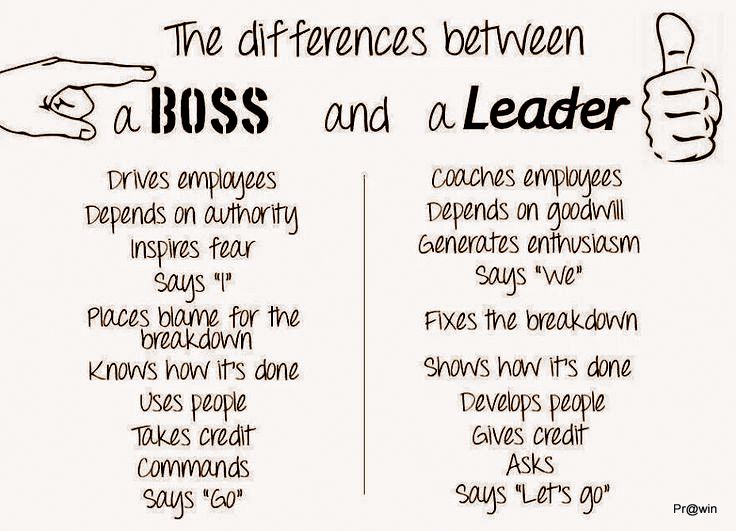
I am a Software Engineer working for a Multi national company. I worked for many Organizations in the last 9 years at different roles with many Managers. In my recent project i have a bad experience of working with a very immature manager who complains and 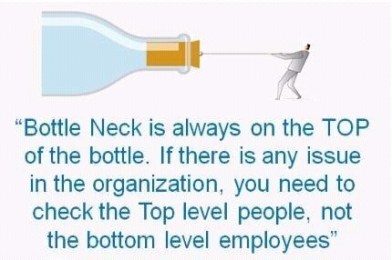 blame employees when something goes wrong. There are few instances where couple of my colleagues were released from Project. Who’s fault is it? Is it their fault for not doing their job well or is it management and the process that failed the employee?
Bad Managers! I’m almost tempted to challenge anyone to find someone that hasn’t had that experience! The truth of the matter is that we all had at least one, perhaps many, if you are not new to the workplace like me. Many managers lack fundamental training in managing people. But, even more importantly, managers lack the values, sensitivity, and awareness needed to interact effectively all day long with people. Skills and techniques are easier to teach, but values, beliefs, and attitudes are much harder to teach – and harder for managers to learn.
If you are a manager and fail to provide the right goals, information, resources, or assistance — don’t complain when employees fail. It’s clearly your fault.
Traits of my Manager: The below listed are the few unacceptable traits that i observed in my Manager. There were many more than the listed one’s.
Screamer Who the ***k you might be, it’s not accepted to YELL at workplace. But, my manager Yells at everyone on the floor without any sort of commonsense. He speak loudly, rudely, one-sidedly to staff. He provide the air time for staff to respond to accusations and comments. They intimidate people and bully staff. He allow few(incapable) employees to bully employees who actually working hard for project.
 Never Recognizes Talent of Employee One of the most common mistakes my manger make is to neither recognize nor capitalize on the unique differences of each employee. He consciously paint everyone with the same wide brush and all but eliminate any chance for personalities to set themselves apart and bring their individual talents to the team. Most employees who are all treated the same way eventually start feeling unappreciated, misunderstood and overlooked.
Team Politics All time my Manager is surrounded with bunch of Fools, who are professionals in Team Politics. For some unknown reason he loves their company and listens to their words blindly. He considers they as valuable team assets, but unfortunately everyone knows they were fit for nothing 😉
Poor Communicator. Not giving clear instructions is a prominent trait among bad bosses. My manager can’t speak proper English and can’t even communicate properly in mother tongue. He dares to comment on team members communication and points at the way they were communicating.
Neither Technical nor People Manager He’s a person who have no technical exposure and he don’t even know to manage the team. He’s purely unfit in both the areas which are more important traits of a manger.
Does Not Have Courage He does not have the courage to deal with a difficult situation despite knowing that it is the right thing to do. My manager is never in a position to take any challenge or stand by the people who’s doing that.
No Positive Feedback It absolutely sucks to go at your daily grind without knowing how your manager feels about your progress. You don’t want to wait until an annual review to know that your manager is unhappy with you
Tyrant It’s easy to become the tyrant. Write people up, threaten their jobs, and crack the whip! That’s easy. That isn’t accountability. This kind of leadership through fear inspires  people to work hard enough to not get fired. They disengage, and they don’t share their struggles for fear that exposing their mistakes will cost them their jobs.
Terrible Listener. Bad bosses/asses don’t listen, which goes hand in hand with being bad communicators. Worse, he do not even care to listen. Whatever you say, my manager hear what they want to hear and understands what he wants to. In addition, he interrupt constantly, and he’s never fully present during interactions with employees.
Focuses on Weaknesses He dwell on what a resource can’t do instead of what he or she can do. The problem is he never bother to uncover what it is that really motivates an individual, and miss out on opportunities to benefit from innate talent and specific strengths. One of the primary responsibilities of managers is to motivate and develop staff, offer them extensive training on how to better understand human behaviors.
Never Praise or Encourage. He’s there, Quick to criticize and slow to praise: Too many employees of bad bosses report that their managers have not thanked them in years. Given that recognition is the most effective driver of engagement, this is one of the most egregious traits of a bad boss.
Micromanages Most employees are happiest if allowed to have at least some say in determining their own path when it comes to accomplishing objectives. They’ll want a varying amount of oversight from the boss, depending on their specific level of self-confidence and individual desire to take some calculated risks.
 Fails to Fit the Right Person to the Right Job Good managers know the personalities of their team members and place each one in a role designed to play into their innate talents and interests. They set them up for success, instead of for failure. But my manager is unable to do that.
Mangers, please note that Not everyone can function in high-stress situations and work as you expect. Not everyone can lead. And not everyone can withstand others’ critiques or nasty remarks.
When employees resign, the top reason for their resignation is their relationship with their manager. People leave managers, not jobs or employers.
When any organization has quality problems or safety problems, this is clearly the responsibility of managers. When you’re the boss, you are (like it or not) responsible for everything that happens in your project, whether it’s a small or a big team. Sadly, many mangers think they can get away with blaming their employees when things go wrong. A ‘blame culture’ is common in all different kinds of offices, and can lead to a lack of productivity, wasted time, and hard feelings being created. There are many different reasons that can lead to the development of a blame culture, but all of them are reversible with the use of proper management techniques and some logical thinking.
Is your Manager in your team fit to do the job?
Please feel free to share your story and any lessons you learned, you experienced, you came across in your life in the comments below.


 The amazing bond that we have will never be lost. We are together, in our successes and in our failures. Family is family, no matter what. A great team is so much more than merely people that you play your sport with. A successful team knows each other on a deeper
 We pick each other up when we’re down.
 You can have a happy workplace if you take the time to make it a happy workplace. Hire happy people. Don’t get caught up in focusing on the negative and make sure to do the little things that make a difference in people’s lives.
 We bet you love free coffee or lunch included or candies on bosses desk or stuff like that included in your unique benefits package. Or maybe you prefer free gym or free parking
 could inspire me to dream and achieve beyond my own imagination of capability. Thanks for converting my mistakes into lessons, pressure into productivity and skills into strengths. You really know how to bring out the best in an individual.
 Your word’s .. “Treat me like a number and I’ll stay until a better number comes along. Treat me like a person and I’ll stay because, ultimately, that’s what we all really want.” will be with me till my last breath.








 Working too much is likely to decrease your productivity, leave you creatively drained, and negatively affect relationships with friends and family. Don’t get me wrong, pursuing your passion is a beautiful gift and there is nothing wrong with working hard on projects you love. However, it’s essential to take breaks. Whether you’re working from home or in an office environment it’s essential to nourish your creative spirit.

 Constantly question your goals and life purpose.
 Get enough sleep! Staying up late to work on a project and then getting up at 5 am to go into the office is not a good strategy. Lack of creativity, diminished morale and irritability are a few traits of people who go without sleep. Work smarter, not harder.
 Spend time in nature. Spending time in nature is a great way reduce stress, disconnect from everyday worries and incoming work messages. Set aside time in your daily life to go outside. For instance, take a half hour walk everyday and be mindful of your surroundings. There is no need to rush. Take your time, try to understand your instinctual feelings and observe the natural beauty in your neighborhood.
 Listen to your body. If you are working too much you will start feeling tired, cranky and apathetic. All of these symptoms are a sign that you need to slow down. It’s essential to listen to your body. When you listen to your body, you’ll know when you’re sick or just need some extra rest.
 Unplug from the internet. Getting work done doesn’t require an internet connection. It’s amazing what can happen when you step out from behind the computer screen or your mobile device. Most of my killer ideas come to me when I’m taking a shower, on a walk, cooking a meal, and “not working.”Everyone is creative and ideas can come to you at odd moments. Just because you have an idea doesn’t mean you have to implement it right away. Keep a journal with you at all times so that you can capture your idea and enjoy your down time.
 Make time for friends, family and your partner.If you’re working too much, you’re probably sacrificing time with friends, family and your life partner. Doing work you love is extremely important, but so are the people who love you. Consider how you spend your time and what is truly important in life. When you are with your family, friends and life partner, really be there. Make an effort to be present. For instance, if you’re having a conversation with a friend listens to what they are saying. Be engaged and ask questions.
 Eat real food. A side effect of working too much is eating out more and not eating real food. Real food includes fruits, vegetables and whole grains. Before you head out to the office, take time the night before or early in the morning to prepare a healthy breakfast and lunch.
 Reach out to others with a good work-life balance. If you think you’re a workaholic, reach out to others. Connect with friends, family, and consider therapy as an option. If you think this is negatively impacting your life, do something about the problem. We only get one life. So live it well and take care of yourself.






 Thoughts To Inspire