Each minute of our life is a lesson but most of us fail to read it. I thought I would just add my daily lessons and the lessons that I learned by seeing the people around here. So it may be useful for you and as memories for me.
It’s easy to clap when someone is winning; it’s rare to stay when they’re not.
In two decades of my professional journey, I’ve seen the greatest fade after a single failure—despite their effort, success, and sacrifice. This is my reflection on why applause is temporary, loyalty is rare, and how leaders can show up when the winning stops.
The Rooster Story
Once, this rooster was worth millions.
Every victory brought applause, food, and comfort.
But the moment it lost, everything vanished.
No roof. No praise. No people.
Just silence. Forgotten.
Isn’t that how our professional and personal lives work too? When we’re winning, the crowd swells. When we stumble, the room gets smaller.
Applause is temporary. Character is tested in the silence after the cheering stops.
In my 20-year professional journey, I’ve watched some of the greatest of the greats fade from the spotlight after a single failure—irrespective of their effort, past success, or sacrifice.
Talent wasn’t the issue. Commitment wasn’t the issue. The issue was how quickly we, as teams and communities, move on when the scoreboard turns against someone.
Those moments shaped my leadership over the last decade.
What Failure Taught Me
Performance wins attention; presence wins trust. Anyone can congratulate you after the trophy. Few will sit with you in the locker room after a loss.
Results matter—but so do attempts. We learn more from courageous tries than from safe wins.
Teams thrive when effort is remembered. Recognition should not vanish with a rough sprint, a missed target, or a bad quarter.
My Leadership Commitments (and What I Expect of Myself)
Recognise consistently, not conditionally. Celebrate wins, yes—but also name the effort when outcomes fall short.
Stand by people in hard times. Reviews, coaching, resources, and cover—especially when someone is hurting or burnt out.
Hold a long memory for contribution. Don’t let a single failure erase years of service, loyalty, and craft.
Practice gratitude out loud. Appreciation shouldn’t be assumed; it should be heard.
Protect wellbeing as fiercely as targets. Burnout is not a badge. Recovery is part of high performance.
How You Can Lead Differently (Starting Today)
Name three efforts from your team this week that deserve appreciation—regardless of outcome.
Check in privately with one person who’s had a tough sprint or review. Ask, “What do you need from me right now?”
Make recognition repeatable: add a 3-minute “effort spotlight” to your weekly stand-up.
Track contributions over time: keep a running log so a bad month doesn’t rewrite a good year.
Normalize recovery: plan rest after big pushes the same way you plan delivery.
Don’t just celebrate the wins. Stand with people when the noise fades. That’s where leadership begins.
Beyond Success
The world moves on quickly. That’s the painful truth. But we don’t have to.
In our careers, friendships, families, and teams, we can choose to be the few who stay when the winning ends. That’s how trust is built. That’s how cultures last.
If this resonates with you, pass it forward—recognise someone today for their effort, not just their outcomes.
Who stood by you when the winning stopped?
Drop their name (and a thank-you) in the comments. Let’s make loyalty visible.
If you wanna share your experiences, you can find me online in all your favorite places LinkedIn and Facebook. Shoot me a DM, a tweet, a comment, or whatever works best for you. I’ll be the one trying to figure out how to read books and get better at playing ping pong at the same time.
Each minute of our life is a lesson but most of us fail to read it. I thought I would just add my daily lessons & the lessons that I learned by seeing the people around here. So it may be useful for you and as memories for me.
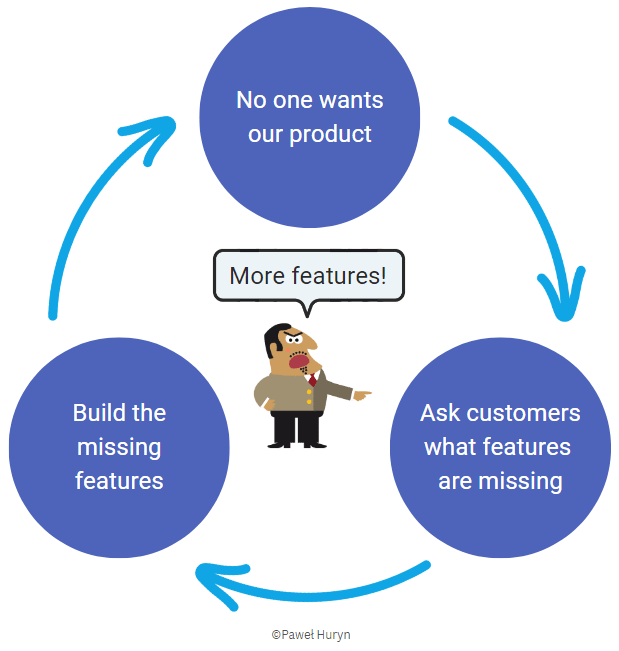
Every startup embarks on a journey fueled by great ideas and a compelling vision to create outstanding products. However, somewhere along the way, many find themselves ensnared in the product death cycle, leading to a fate of obscurity in the market.
What is Good Product Management?
Good product management typically lives at the crossroads between business goals, user or customer experience, and technology. While execution differs from organization to organization, it includes key common elements:
Product strategy: The long term vision of what product success looks like and how to achieve it.
Product development: Designing and building products based on business goals and customer needs.
Market launch: A product’s release (and the marketing campaigns that accompany it).
Continuous improvement: Long-term support to ensure that product performance improves over time.
The product death cycle can be a perilous trap, often leading product managers to become mere waiters, collecting and waterfalling “feature requirements” without addressing real problems or driving desired business outcomes.
Escaping this trap requires a mindful approach. Here’s a roadmap to break free:
1. Respect Your Vision and Strategy
Define why you’re building the product.
Envision where you want to be in 2-5 years.
Identify your target audience and unique product value.
Align with the company’s vision and strategy.
Understand the jobs to be done.
Acknowledge the tradeoffs in customer selection.
Determine how the product creates business value.
2. Don’t Let Customers Design Solutions
Understand customer problems, needs, and desires deeply.
Regularly interview customers and involve designers and engineers.
Foster a shared understanding and remain open to diverse perspectives.
Recognize that valuable ideas often come from engineers.
3. Experiment to Test Your Ideas
Run small experiments to validate ideas quickly and inexpensively.
Assess key risks: value, usability, viability, feasibility, and ethics.
Identify what needs to be true for an idea to work.
Test assumptions with minimal effort.
4. Push Back on Handed-Down Solutions
Respect stakeholders, but challenge their authority.
Question solutions and push back on directives.
Embrace uncomfortable conversations for growth.
🛑 The Pitfalls:
Lack of Continuous Validation: Losing touch with the original problem the startup aimed to solve.
Feature Overload: Pleasing everyone results in a bloated product and delayed releases.
Ignoring User Feedback: Underestimating the importance of user input hinders improvement.
Inadequate Adaptability: Failing to evolve with market changes can lead to irrelevance.
Misalignment: A misfit between the product and the target market results in low adoption.
Business Model Viability: Ignoring the need for a sustainable business model can lead to financial woes.
Lack of Strategic Focus: Losing sight of the long-term vision results in reactionary decisions.
Team Misalignment: Discrepancies in understanding goals and priorities hinder progress.
Resource Mismanagement: Poor allocation of resources leads to delays and setbacks.
Failure to Learn: Not learning from failures perpetuates a cycle of setbacks.
Overcoming the product death cycle requires a strategic and proactive approach to product management.
The Solution: As startups, we can break free from this cycle by:
Continuous Validation: Stay connected to real-world needs through regular market validation.
Prioritizing Features: Focus on core value and iterate with a minimum viable product (MVP).
User Feedback: Establish robust feedback loops and be responsive to user needs.
Adaptability: Stay agile, pivot when necessary, and adapt to evolving market dynamics.
Product-Market Fit: Continuously refine the fit to address genuine market needs.
Business Model Viability: Assess and ensure the sustainability of the business model.
Strategic Focus: Maintain a clear vision and align short-term actions with long-term goals.
Team Alignment: Foster open communication and ensure a shared understanding of goals.
Resource Management: Efficiently allocate resources with realistic timelines.
Learning from Failure: Embrace a culture of learning and use setbacks as opportunities for growth.
Here’s a step-by-step guide on how to break free from the cycle and rejuvenate your product:
1. Reflect on Vision and Strategy:
Revisit the initial vision and strategy for your product.
Define clear objectives, goals, and a roadmap for the future.
Ensure alignment with the overall company vision and strategy.
2. Customer-Centric Approach:
Shift the focus from features to understanding customer problems.
Regularly engage with customers through interviews, surveys, and feedback loops.
Involve the entire team, including designers and engineers, in customer interactions.
3. Continuous Discovery:
Embrace continuous discovery to stay in tune with evolving customer needs.
Foster a culture of curiosity and learning within your team.
Use tools and methodologies that support ongoing discovery and problem validation.
4. Experimentation and Validation:
Prioritize experimentation to validate ideas before committing resources.
Run small, low-cost experiments to test assumptions.
Focus on key risk areas: value proposition, usability, viability, feasibility, and ethics.
5. Agile and Iterative Development:
Adopt an agile development methodology for iterative product releases.
Break down large projects into smaller, manageable tasks with quick feedback loops.
Embrace flexibility to adapt to changing market conditions.
6. Data-Driven Decision Making:
Leverage data analytics to make informed decisions.
Monitor key performance indicators (KPIs) and user metrics.
Use A/B testing to assess the impact of changes on user behavior.
7. Stakeholder Communication:
Maintain open communication with stakeholders.
Educate stakeholders on the importance of a customer-centric approach.
Articulate the value of strategic decision-making over feature-driven development.
8. Empowerment and Accountability:
Empower your team to take ownership of their work and decisions.
Foster a culture of accountability and continuous improvement.
Encourage cross-functional collaboration for holistic problem-solving.
9. Regular Review and Adaptation:
Conduct regular product reviews to assess progress and impact.
Be willing to adapt strategies based on feedback and market changes.
Iterate on both product features and the overall development process.
10. Seek External Perspectives:
Bring in external perspectives through partnerships, advisors, or external consultants.
Attend industry events and conferences to stay updated on trends and best practices.
Network with professionals facing similar challenges.
Despite readily available knowledge, many companies fall into the product death cycle. Let’s break the cycle and pave the way for innovative, impactful products.
Breaking free from the product death cycle requires a commitment to ongoing learning, adaptability, and a relentless focus on delivering value to customers. By implementing these strategies, you can rejuvenate your product and ensure long-term success in the market.
If you wanna share your experiences, you can find me online in all your favorite places LinkedIn and Facebook. Shoot me a DM, a tweet, a comment, or whatever works best for you. I’ll be the one trying to figure out how to read books and get better at playing ping pong at the same time.



 Thoughts To Inspire