RSS

Practical Frameworks for Deploying AI in Healthcare Systems


Each minute of our life is a lesson but most of us fail to read it. I thought I would just add my daily lessons and the lessons that I learned by seeing the people around here. So it may be useful for you and as memories for me.

Over the last several years working in healthcare technology, I’ve had a front-row seat to the industry’s growing relationship with artificial intelligence. From primary care analytics and NHS interoperability work to leading AI-driven product development, I’ve watched organisations move from curiosity to urgency. Today, everyone—from commissioners to clinicians to software vendors—is trying to figure out how to incorporate AI into their workflows, transform patient experience, or simply avoid falling behind.

But the truth is more complicated: healthcare is adopting AI faster in ambition than in capability. I’ve seen teams want “an AI solution” before fully understanding the problem. I’ve watched pilots stall because the workflow wasn’t ready, governance wasn’t aligned, or the data simply couldn’t support the outcome. I’ve also seen the opposite—cases where well-structured frameworks led to safe, meaningful, and measurable improvements in clinical care and operational efficiency.

AI is not ruling healthcare; it’s reshaping the foundations we build on. And in this rush, the organisations that succeed aren’t the ones using the most sophisticated models, but the ones using the most disciplined frameworks.

That’s why I consistently return to a core set of AI frameworks. They anchor the excitement, provide guardrails for safety and governance, and force clarity on what we are actually trying to achieve. In my own work—whether integrating SmartLife products with NHS systems through IM1, shaping data-driven decision tools, or preparing analytics platforms for AI-powered features—these frameworks have proven invaluable.

Healthcare loves acronyms almost as much as it needs transformation. Every week, someone asks me the same question: “Where do we even start with AI in our organisation?”

It’s the right question—but often the wrong mindset. Many leaders assume AI adoption is a single decision, when in reality it’s a layered change-management journey involving clinical safety, governance, workflow redesign, regulatory alignment, analytics infrastructure, and—most underestimated of all—human behaviour.

Working across primary care data platforms, NHS integrations (IM1, PFS, Bulk Extract), analytics products, and clinical pathways, I’ve learned that choosing the right frameworks is less about picking the trendiest one and more about clarifying what problem you’re actually solving. Are you validating an early prototype? Deploying an AI decision-support tool? Creating an enterprise AI strategy? Evaluating risk? Measuring real-world impact?

Different problems require different lenses.

Below is a curated, experience-tested set of frameworks I use when guiding organisations through AI adoption—from ideation to implementation to evaluation. I’ve added commentary on how each aligns with real operational constraints we face in the NHS and primary care.

This article outlines 12 AI frameworks I rely on and why they matter. Whether you’re evaluating your first model or planning a system-wide adoption strategy, these will help you cut through the hype and focus on what works.

1. ELCAP: ESMO Guidance for Large Language Models in Clinical Practice

A pragmatic guide for clinically safe use of LLMs.

Where it helps in practice:

Use this as your clinical acceptance criteria when piloting GPT-style tools for triage, documentation, coding support, or patient communication. It’s strong at articulating risks clinicians care about (hallucination, ambiguity, trust).

2. QUEST: Human Evaluation Framework for LLMs in Healthcare

Focuses on human–AI interaction quality.

Why it matters operationally:

Most AI failures aren’t algorithmic—they’re behavioural. QUEST is excellent for assessing whether staff can meaningfully use your tool and whether it improves decision clarity rather than adding cognitive load.

3. FUTURE-AI: Best Practices for Trustworthy Medical AI

A gold-standard reference for governance, fairness, transparency, and safety.

My take as a product lead:

This is where your SCAL, DPIA, clinical safety case, and hazard logs belong. It gives your governance team a shared vocabulary and stops “trust” from becoming a buzzword.

4. TEHAI: Evaluation Framework for Implementing AI in Healthcare Settings

A structured evaluation framework for assessing readiness and impact.

In the real world:

TEHAI helps you pressure-test whether your AI system can survive the organisational ecosystem—data flows, workflow integration, interoperability, clinical oversight, commissioning requirements, etc.

Good to use before an ICB deployment or scaling beyond a pilot practice.

5. DECIDE-AI: Guideline for Early Clinical Evaluation of AI Decision Support Systems

Designed for early-stage testing and feasibility assessments.

When I use it:

During prototype and pilot phases—especially when validating AI-driven recommendations, personalised care plans, risk scores, or decision trees before exposing clinicians to them.

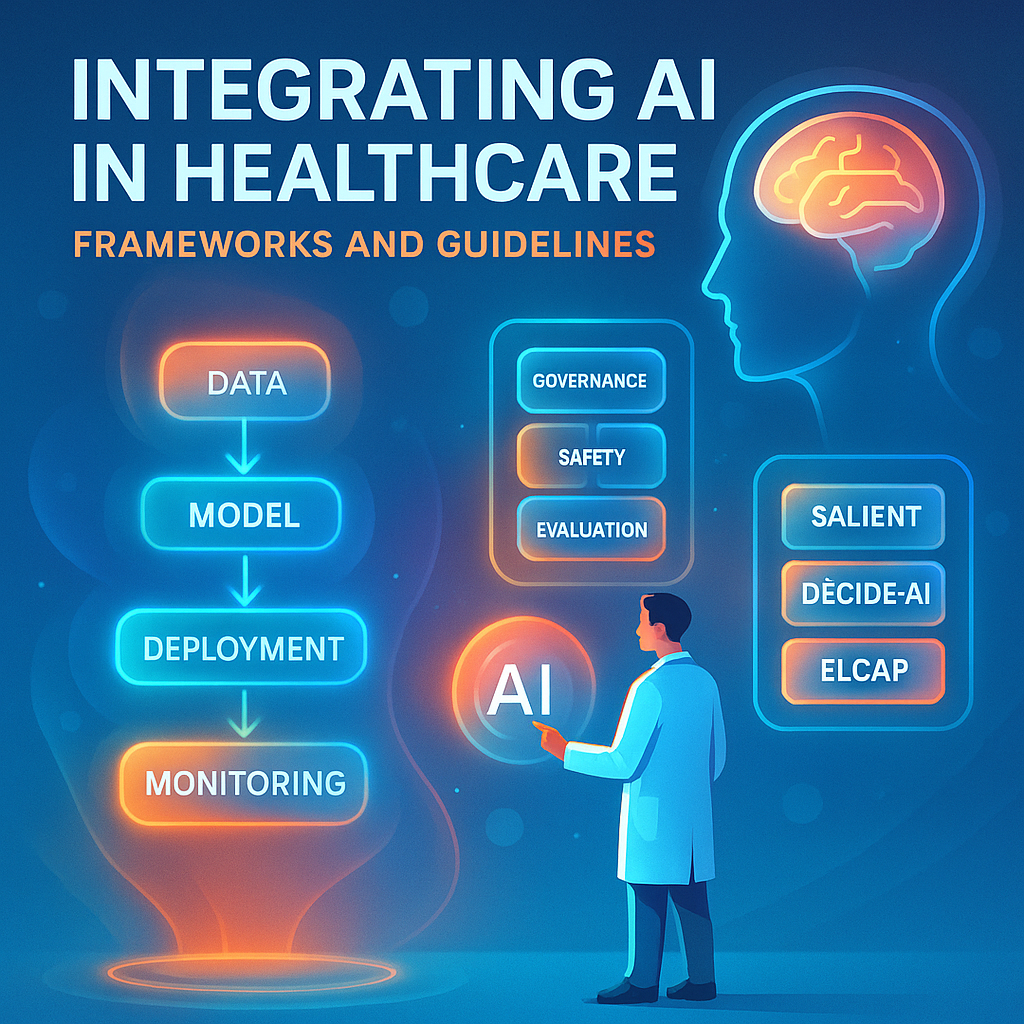
6. SALIENT: Framework for End-to-End Clinical AI Implementation

One of the few frameworks that covers reality end-to-end.

Why it’s underrated:

It doesn’t just say “implement AI”—it shows the sequence:

data → model → workflow → evaluation → monitoring → governance.

It’s closest to how I run AI integration projects in practice.

7. AI Evidence Pathway for Trustworthy AI in Health

A more policy-oriented framework championed for national-scale deployments.

Where it fits:

Essential for organisations engaging with NHS England, regulators, ICBs, or multi-site implementations. Strong alignment with UK assurance processes.

8. FURM: Evaluating Fair, Useful, and Reliable AI Models in Health Systems

A deceptively simple but powerful framing.

Why leaders should care:

Most organisations over-index on accuracy, under-index on fairness, and ignore usefulness entirely. FURM centres actual clinical and operational utility.

9. IMPACTS Framework: Evaluating Long-Term Real-World AI Effects

Focuses on post-deployment—where most frameworks end prematurely.

Critical insight:

The goal isn’t to launch AI. The goal is to sustain value and avoid regressions. IMPACTS helps measure whether your deployed solution meaningfully changes outcomes, costs, or experience.

10. Process Framework for Successful AI Adoption in Healthcare

A meta-framework showing the organisational capabilities required:

stakeholder alignment, workflow fit, policy readiness, training, trust-building.

My take:

This is the antidote to “AI as an IT project.” AI success is organisational, not technical.

11. The “3L Model”: Latency, Liability, and Literacy

A brutally practical test before deploying any AI tool in a real clinical environment.

Ask:

  1. Latency – Is the AI fast enough to fit the workflow? Slow = unusable.
  2. Liability – Who is accountable for the decision? If the answer is unclear, the deployment is premature.
  3. Literacy – Do staff understand what the AI can’t do? Most clinicians don’t need to know how AI works—but they must know where its limits lie.

This model has saved several projects I’ve worked on from misaligned expectations.

12. The “Integration Trifecta”: Data → Workflow → Governance

Every AI implementation that fails usually breaks on one of these:

  1. Data: Is the data clean, real-time, coded, and interoperable?
  2. Workflow: Does it reduce clicks, not add them?
  3. Governance: Is safety, oversight, and auditability built in from day one?

In our IM1 and SCAL work, this trifecta is the backbone:

data extraction and mapping, API integration, safety case review, hazard logging, and clinical sign-off all flow through these gates.

What I’ve Learned Building AI in Healthcare

Leading AI initiatives in primary care analytics and NHS interoperability has taught me a few uncomfortable truths:

  • Most organisations want AI but haven’t articulated the problem it should solve.
  • Governance teams want safety; clinicians want usefulness; leadership wants ROI. AI rarely satisfies all three at once without deliberate design.
  • You cannot “bolt on” AI to a broken workflow—AI amplifies workflow issues.
  • The gap between pilot success and system-wide adoption is bigger than most leaders predict.
  • Evaluation frameworks don’t replace judgement—they sharpen it.

Frameworks don’t give you answers; they give you structure. The thinking still has to be yours.

Which Framework Should You Start With?

Here’s a simple test:

  • Building a prototype? → DECIDE-AI + QUEST
  • Preparing for pilot? → SALIENT + TEHAI
  • Aiming for clinical deployment? → ELCAP + FUTURE-AI
  • Scaling across an ICB or enterprise? → AI Evidence Pathway + IMPACTS
  • Ensuring fairness and trust? → FURM
  • Want an operational sanity check? → Integration Trifecta + 3L Model

If you wanna share your experiences, you can find me online in all your favorite places  LinkedIn and Facebook. Shoot me a DM, a tweet, a comment, or whatever works best for you. I’ll be the one trying to figure out how to read books and get better at playing ping pong at the same time.
 
Leave a comment

Posted by on December 2, 2025 in Experiences of Life.


Tags: , , , ,

Why Healthcare IT Graveyard Is Getting Crowded


Each minute of our life is a lesson but most of us fail to read it. I thought I would just add my daily lessons and the lessons that I learned by seeing the people around here. So it may be useful for you and as memories for me.

I’ve spent more than a decade building healthcare products across Europe, Asia, and the U.S. I’ve led Quality, Product, and Delivery at scale. I’ve watched companies grow explosively, and I’ve watched companies vanish overnight literally.

And after 15 years working in healthcare, the pattern is painfully clear:

Healthcare tech doesn’t fail because of weak engineering. It fails because founders fundamentally misunderstand healthcare.

Here’s the uncomfortable truth — backed by recent, spectacular collapses.

The Graveyard Is Getting Crowded

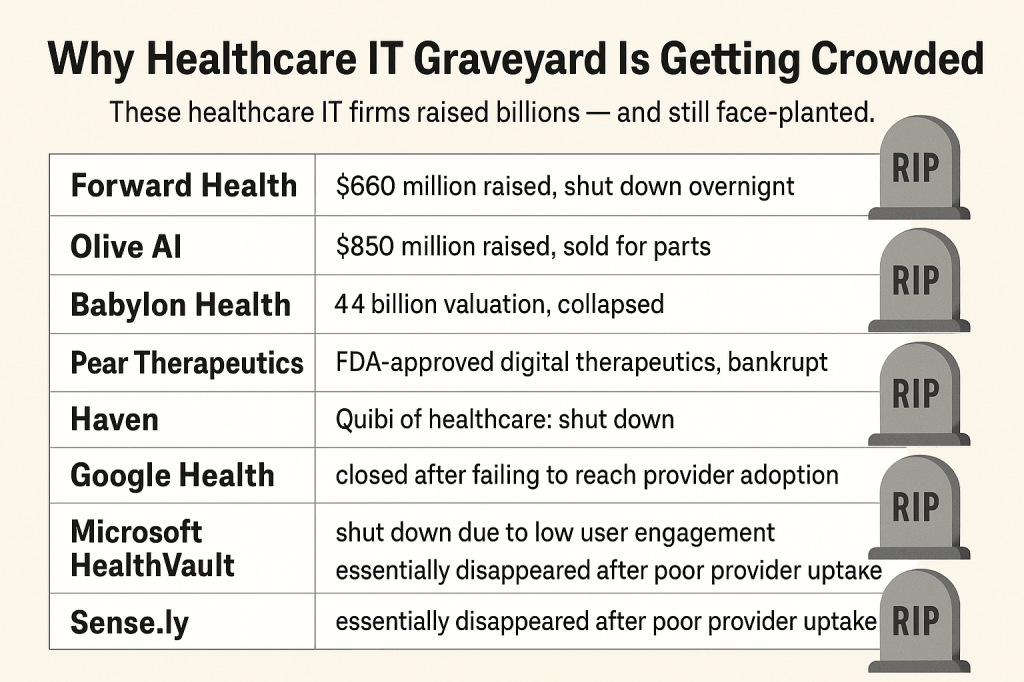
These aren’t small startups. These were the darlings of global healthcare tech:

  • Forward Health – $660M raised, shut down with zero patient transition
  • Olive AI – $850M raised, sold for parts after failing to justify ROI
  • Babylon Health – $4B valuation, blew up across multiple continents
  • Pear Therapeutics – FDA-cleared digital therapeutics, bankrupt
  • Quibi of Healthcare: Haven (Amazon–JPM–Berkshire) – shut down despite unlimited resources
  • Google Health (v1) – closed after failing to reach provider adoption
  • Microsoft HealthVault – shut down due to low user engagement and system complexity
  • Sense.ly (AI nurse avatar) – essentially disappeared after poor provider uptake
  • 23andMe Therapeutics spinout – quietly scaled back after no viable clinical revenue stream
  • Walgreens / Theranos fallout – major proof that hype beats due diligence in this sector
  • Proteus Digital Health (smart pill) – raised $500M, then bankrupt
  • Practice Fusion – sold for pennies after criminal investigations and failed EHR monetization
  • ZocDoc expansion failure – pivoted multiple times after failing to win provider-side economics
  • Oscar Health (several failed geographic launches) – struggled due to regulatory economics
  • IBM Watson Health – $3B+ investment, divested for $1B after clinical failures

This list is long. And growing.

The Core Misunderstanding: Healthcare Is Not a Tech Problem

Engineering-driven founders consistently misdiagnose the domain.

They believe healthcare = complex workflows + messy data + outdated UI.

Solve that and… success.

But healthcare is not a systems problem.

It is a trust problem wrapped in regulation, economics, and risk.

  • Lives are at stake — not convenience.
  • Medical decisions require validated evidence — not beta features.
  • Clinicians rely on reliability and accountability — not iteration velocity.
  • Patients don’t adopt new care models without months or years of trust-building.

Every failed company ignored these constraints.

The Integration Trap: The Silent Killer

This is where most companies die.

Healthcare runs on a brittle spine of EMRs, APIs, and legacy systems.

If you don’t integrate, you don’t exist.

  • Forward’s CarePods were genuinely innovative. But without seamless EMR connections, they became operationally useless.
  • Olive AI automated tasks internally… but could not standardize ROI across EMRs.
  • IBM Watson Health promised AI-driven oncology decisions. But the recommendations were inconsistent with evidence-based guidelines.

The rule:

If you don’t reduce workload inside the existing workflow, clinicians will ignore you.

No integration = no adoption.

No adoption = no revenue.

No revenue = shutdown.

Why Consumer Tech Logic Fails in Healthcare

Tech founders try to import playbooks from SaaS, marketplaces, and fintech:

  • “Move fast and break things”
  • “Launch MVP, iterate later”
  • “Acquire users, figure out monetization later”
  • “Data is the new oil”
  • “AI will replace inefficiencies”

These logics collapse immediately in healthcare:

  1. Healthcare data is not clean; 80% is unstructured.
  2. Interoperability is not an optional feature — it is the foundation.
  3. Clinicians require evidence, not velocity.
  4. Patients are not early adopters; they are risk-averse by necessity.

The market punishes anyone who treats healthcare like another consumer vertical.

The Reimbursement Illusion: Where Startups Bleed Out

This is the part Silicon Valley consistently ignores.

In healthcare, value is NOT determined by the end user.

Value is determined by:

  • payors
  • reimbursement codes
  • medical necessity rules
  • regulatory status
  • clinical outcomes data

A product can delight users and still die if:

  • there’s no CPT code
  • insurers won’t reimburse
  • the product doesn’t reduce provider workload
  • there’s no proven cost savings

Olive AI is the textbook example.

Automation sounded brilliant — but if hospitals can’t bill for it, the business collapses.

Pear Therapeutics had FDA clearance, efficacy data, and clinical logic.

Still died because payors refused to reimburse at scale.

Healthcare economics — not innovation — determine survival.

What Actually Works (and Why It Looks “Unsexy”)

The successful products in healthcare are almost never glamorous:

  • Automated population stratification
  • Scheduling optimization
  • Revenue cycle improvements
  • Medication adherence
  • Secure messaging
  • Chronic disease workflows
  • Interoperability middleware
  • Claims cleaning and fraud detection

Unsexy wins because it integrates, it reduces workload, it fits reimbursement, it avoids clinical risk, and it solves one painful problem extremely well.

The companies that succeed do the following:

  • Integrate seamlessly with EMRs
  • Prove ROI early
  • Reduce clicks, not add them
  • Earn clinical champions, not marketing awards
  • Build for the system as it is, not the system they wish existed
  • Grow slowly but sustainably — not explosively and unsafely

Healthcare rewards evolution, not revolution.

Forward Health’s Shutdown Is the Perfect Case Study

Forward turned off the lights overnight:

  • No transition pathway
  • Canceled appointments
  • Patients left stranded
  • Systems turned off immediately

This is what happens when a company:

  • optimizes for investor excitement instead of clinical safety
  • designs for TechCrunch instead of clinicians
  • prioritizes disruption over integration
  • treats healthcare as a retail subscription business instead of a regulated service

Patients pay the real cost of these failures.

The Real Pattern Behind Every Healthcare Tech Collapse

Let’s stop pretending these are isolated incidents.

The failures follow the same template:

  1. Overpromise with polished demos
  2. Underestimate the complexity of clinical workflows
  3. Blow capital on growth before solving integration
  4. Fail to secure reimbursement pathways
  5. Struggle to prove clinical and financial ROI
  6. Lose trust from clinicians
  7. Run out of money
  8. Collapse suddenly
  9. Patients and providers are left scrambling

Money and engineering talent are not substitutes for:

  • clinical insight
  • regulatory design
  • healthcare economics
  • trust-building
  • real-world workflow alignment

The Hard Truth

Healthcare rewards reliability over innovation.

Simple solutions outperform brilliant ones.

Integration beats disruption every time.

I’ve watched billion-dollar firms fail and small scrappy teams succeed.

The winners understood healthcare is a trust-based, evidence-driven system.

The losers thought they could brute force the market with capital and code.

They were wrong.

Your Turn

What healthcare product promised everything and delivered nothing?

If you wanna share your experiences, you can find me online in all your favorite places  LinkedIn and Facebook. Shoot me a DM, a tweet, a comment, or whatever works best for you. I’ll be the one trying to figure out how to read books and get better at playing ping pong at the same time.


Tags: , , , , , , , , ,

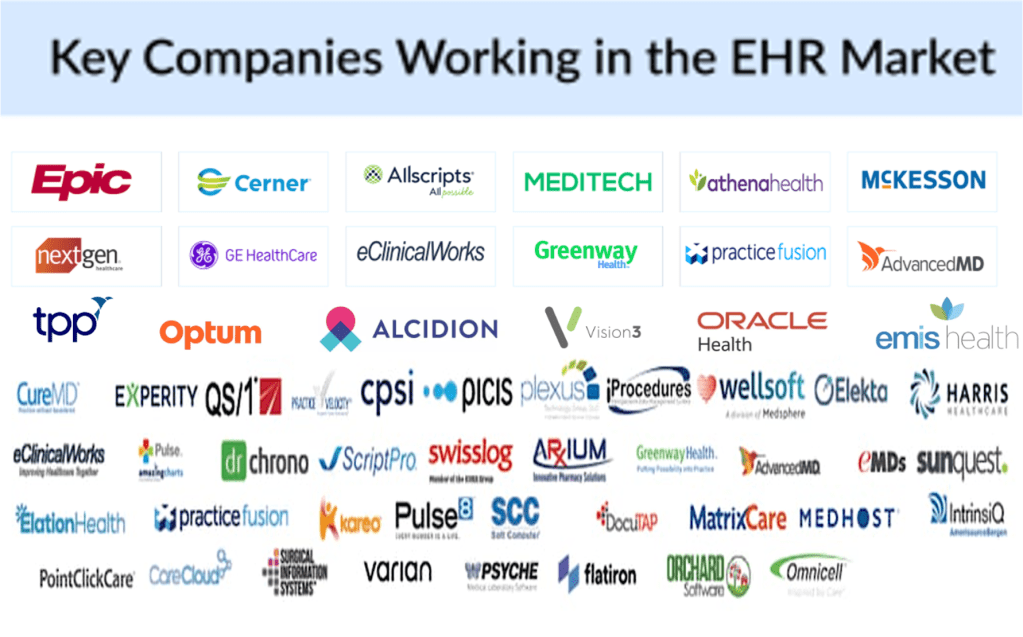
Top 20 Electronic Health Records (EHR) Systems in the World


Each minute of our life is a lesson but most of us fail to read it. I thought I would just add my daily lessons and the lessons that I learned by seeing the people around here. So it may be useful for you and as memories for me.

Digital transformation in healthcare continues to accelerate in 2025, with electronic medical records (EMR) and electronic health records (EHR) at the core of operational efficiency, patient engagement, and regulatory compliance. For healthcare businesses—ranging from multi-specialty hospitals to outpatient clinics—open source EHR/EMR platforms provide a unique combination of affordability, scalability, and adaptability.

In today’s healthcare ecosystem, Electronic Health Records (EHRs) are no longer just digital files they are the backbone of modern patient care. They provide clinicians with real-time access to a single, unified patient record, ensuring safer decision-making, fewer delays, and more time focused on patients rather than paperwork.

https://www.doctorsapp.in/blog/top-ehr-vendors

From my own work in healthcare, I’ve seen firsthand how difficult it can be for clinicians to deliver quality care without proper EHR systems. Consultations often get slowed down by flipping through scattered files, repeating lab tests because past results aren’t visible, or relying purely on memory to track complex patient histories. These gaps don’t just frustrate clinicians they can compromise patient safety and the overall patient experience.

An Electronic Health Record (EHR) is a type of healthcare software that digitally collects, organizes, and shares patient information. It ensures that medical data is available in a structured format and can be accessed by all authorized parties involved in patient care — from doctors, labs, and pharmacies to hospitals, registries, and patients themselves.

The idea of an electronic patient record isn’t new. More than 50 years ago, the first prototype — called the Problem-Oriented Medical Record (POMR) — was introduced. It brought together a patient’s full clinical history, a list of health problems, a treatment plan, daily progress notes, and a discharge summary. This framework set the stage for the EHRs we use today, with their focus on comprehensive records and continuity of care.

This is where effective EHRs make the difference. They:

  • Centralize patient data across clinics, hospitals, and pharmacies.
  • Reduce errors with accurate records of labs, allergies, and prescriptions.
  • Improve efficiency, freeing up more time for clinicians to engage with patients.
  • Enable population health insights, helping health systems manage risks and improve long-term outcomes.

In short, EHRs empower providers to deliver better, safer, and more connected care. Below is a look at the Top 20 EHR systems worldwide, their origins, and standout features.

1. Epic Systems

  • Country: United States
  • Developer: Epic Systems Corporation
  • Features: Large hospital and academic medical center focus; interoperability; analytics and population health management; widely recognized leader in usability and scale.

2. Oracle Health (Cerner)

  • Country: United States
  • Developer: Oracle Health (formerly Cerner)
  • Features: Millennium platform; strong in hospitals and government health projects; open APIs; global presence; AI-driven decision support.

3. MEDITECH

  • Country: United States
  • Developer: MEDITECH Inc.
  • Features: Acute/community hospital focus; scalable for small hospitals; strong workflows for clinicians; growing international footprint.

4. Athenahealth

  • Country: United States
  • Developer: Athenahealth, Inc.
  • Features: Cloud-based; practice management, billing, telehealth; population health insights; ideal for ambulatory/outpatient practices.

5. NextGen Healthcare

  • Country: United States
  • Developer: NextGen Healthcare, Inc.
  • Features: Specialty-specific templates; patient portal and telehealth; revenue cycle management; good fit for mid-sized practices.

6. eClinicalWorks (eCW)

  • Country: United States
  • Developer: eClinicalWorks
  • Features: Cloud/mobile EHR; telehealth and patient engagement tools; affordable for small-medium practices; population health integration.

7. Greenway Health

  • Country: United States
  • Developer: Greenway Health, LLC
  • Features: Ambulatory EHR; built-in RCM; customizable workflows; responsive customer support.

8. Veradigm (Allscripts)

  • Country: United States
  • Developer: Veradigm (formerly Allscripts)
  • Features: Ambulatory solutions with open APIs; scheduling and billing; modular design for specialties; broad adoption across practices.

9. Practice Fusion

  • Country: United States
  • Developer: Veradigm (Practice Fusion)
  • Features: Affordable, web-based EHR; e-prescribing; lab integration; best for small practices.

10. AdvancedMD

  • Country: United States
  • Developer: AdvancedMD, Inc.
  • Features: SaaS-based EHR; telemedicine; customizable templates; analytics; tailored for small-to-mid practices.

11. Dedalus

  • Country: Italy
  • Developer: Dedalus Group
  • Features: Europe’s largest health IT vendor; integrated EHR, lab, and imaging systems; focus on interoperability across EU; strong NHS presence.

12. InterSystems TrakCare

  • Country: United States
  • Developer: InterSystems Corporation
  • Features: Global EHR with strong adoption in Europe, Middle East, APAC; unified patient record; advanced analytics and FHIR support.

13. EMIS Health

  • Country: United Kingdom
  • Developer: EMIS Health (part of Optum)
  • Features: Market leader in UK primary care; EMIS Web widely used; prescription ordering, patient portals; integration across GP and pharmacy.

14. SystmOne (TPP)

  • Country: United Kingdom
  • Developer: The Phoenix Partnership (TPP)
  • Features: Widely used in UK NHS primary and community care; real-time record sharing; mobile access for clinicians.

15. Vision (Cegedim)

  • Country: United Kingdom
  • Developer: Cegedim Healthcare Solutions
  • Features: Primary care EHR in the UK; intuitive prescribing; data sharing across practices; strong GP usability.

16. CareCloud

  • Country: United States
  • Developer: CareCloud, Inc.
  • Features: Cloud-based EHR + practice management; RCM and billing; telemedicine; customizable and user-friendly.

17. DrChrono

  • Country: United States
  • Developer: DrChrono, Inc.
  • Features: Mobile-first on iPad/iPhone; appointment scheduling; telehealth; ideal for small-mid practices.

18. Kareo Clinical

  • Country: United States
  • Developer: Kareo, Inc.
  • Features: Cloud-based; integrated billing and RCM; patient engagement; affordable for independent practices.

19. ModMed (Modernizing Medicine)

  • Country: United States
  • Developer: Modernizing Medicine, Inc.
  • Features: Specialty-specific EHRs (dermatology, ophthalmology, etc.); AI-powered coding/documentation; telehealth and analytics.

20. GE Healthcare (Centricity / Virence)

  • Country: United States
  • Developer: GE Healthcare
  • Features: Enterprise hospital deployments; integration with imaging; clinical documentation and order entry; still influential in hospital IT.

Final Thoughts

EHRs are not one-size-fits-all. While giants like Epic and Oracle Health dominate global hospitals, regional leaders like EMIS, SystmOne, and Vision play a vital role in UK primary care. Similarly, agile systems like DrChrono or Kareo empower small practices with affordable, cloud-based tools.

The real value of an EHR lies in how well it supports clinicians and patients together — enabling safer care, reducing waste, and building trust. As healthcare continues to digitalize, these systems will shape the future of how we deliver care worldwide.

If you wanna share your experiences, you can find me online in all your favorite places  LinkedIn and Facebook. Shoot me a DM, a tweet, a comment, or whatever works best for you. I’ll be the one trying to figure out how to read books and get better at playing ping pong at the same time.

 
Leave a comment

Posted by on September 2, 2025 in Technical, Work Place


Tags: , , , , , , , , , , ,

A champion left behind: applause is loud, loyalty is quiet.


Each minute of our life is a lesson but most of us fail to read it. I thought I would just add my daily lessons and the lessons that I learned by seeing the people around here. So it may be useful for you and as memories for me.

It’s easy to clap when someone is winning; it’s rare to stay when they’re not.

In two decades of my professional journey, I’ve seen the greatest fade after a single failure—despite their effort, success, and sacrifice. This is my reflection on why applause is temporary, loyalty is rare, and how leaders can show up when the winning stops.

The Rooster Story

Once, this rooster was worth millions.

Every victory brought applause, food, and comfort.

But the moment it lost, everything vanished.

No roof. No praise. No people.

Just silence. Forgotten.

Isn’t that how our professional and personal lives work too? When we’re winning, the crowd swells. When we stumble, the room gets smaller.

Applause is temporary. Character is tested in the silence after the cheering stops.

In my 20-year professional journey, I’ve watched some of the greatest of the greats fade from the spotlight after a single failure—irrespective of their effort, past success, or sacrifice.

Talent wasn’t the issue. Commitment wasn’t the issue. The issue was how quickly we, as teams and communities, move on when the scoreboard turns against someone.

Those moments shaped my leadership over the last decade.

What Failure Taught Me

  • Performance wins attention; presence wins trust. Anyone can congratulate you after the trophy. Few will sit with you in the locker room after a loss.
  • Results matter—but so do attempts. We learn more from courageous tries than from safe wins.
  • Teams thrive when effort is remembered. Recognition should not vanish with a rough sprint, a missed target, or a bad quarter.

My Leadership Commitments (and What I Expect of Myself)

  • Recognise consistently, not conditionally. Celebrate wins, yes—but also name the effort when outcomes fall short.
  • Stand by people in hard times. Reviews, coaching, resources, and cover—especially when someone is hurting or burnt out.
  • Hold a long memory for contribution. Don’t let a single failure erase years of service, loyalty, and craft.
  • Practice gratitude out loud. Appreciation shouldn’t be assumed; it should be heard.
  • Protect wellbeing as fiercely as targets. Burnout is not a badge. Recovery is part of high performance.

How You Can Lead Differently (Starting Today)

  1. Name three efforts from your team this week that deserve appreciation—regardless of outcome.
  2. Check in privately with one person who’s had a tough sprint or review. Ask, “What do you need from me right now?”
  3. Make recognition repeatable: add a 3-minute “effort spotlight” to your weekly stand-up.
  4. Track contributions over time: keep a running log so a bad month doesn’t rewrite a good year.
  5. Normalize recovery: plan rest after big pushes the same way you plan delivery.

Don’t just celebrate the wins. Stand with people when the noise fades. That’s where leadership begins.

Beyond Success

The world moves on quickly. That’s the painful truth. But we don’t have to.

In our careers, friendships, families, and teams, we can choose to be the few who stay when the winning ends. That’s how trust is built. That’s how cultures last.

If this resonates with you, pass it forward—recognise someone today for their effort, not just their outcomes.

Who stood by you when the winning stopped?

Drop their name (and a thank-you) in the comments. Let’s make loyalty visible.

If you wanna share your experiences, you can find me online in all your favorite places  LinkedIn and Facebook. Shoot me a DM, a tweet, a comment, or whatever works best for you. I’ll be the one trying to figure out how to read books and get better at playing ping pong at the same time.

 

Tags: , , , , , , , , , , , ,

The End of Average Credentials: What It Means for Students, Careers, and Education

The End of Average Credentials: What It Means for Students, Careers, and Education

Introduction: The Changing World of Work

When I meet university students, one of the most common questions I hear is:

“Sir, I have a degree—why is it still so hard to get a good job?”

For decades, the formula was simple:

  1. Get into a university.
  2. Graduate with a degree.
  3. Land an entry-level job.
  4. Build expertise through promotions.

But today, that ladder is missing a few rungs.

Research from Harvard economists covering 62 million workers shows that firms adopting Artificial Intelligence (AI) are hiring 22% fewer junior employees. The steepest hiring drops are in wholesale, retail, and the very white-collar roles that graduates once relied on.

This isn’t just “no demand for average people.”

It’s no entry for average credentials.

As a coach, I tell my students:

“The future doesn’t ask where you studied—it asks what you can do.”


Why Degrees Are Losing Their Value

1. Credentials as Signals Are Breaking Down

Degrees used to be powerful signals. Employers didn’t know your skills, so they trusted your university’s name.

But now companies can test you directly—through projects, portfolios, and proof-of-work. The proxy has lost its power.

2. AI Boosts Productivity, But Not Judgment

AI is a powerful assistant. A junior analyst can use AI to build financial models in minutes. But here’s the real test:

  • Can they recognise when the numbers don’t reflect reality?
  • Can they connect insights across industries?
  • Can they detect shifts in the environment?

These are judgment calls—skills AI cannot replace.

“Tools can make you faster, but only wisdom makes you right.”

3. The Mid-Tier Squeeze

  • Elite universities still open doors thanks to brand and alumni networks.
  • Bottom-tier colleges survive by serving local needs.
  • Tier 2 and Tier 3 schools, however, are squeezed the hardest. They produced the majority of white-collar workers, but their degrees no longer guarantee entry-level jobs.

And for the 26-year-old carrying student debt, this is not a theory—it’s a crisis.


What This Means for Graduates and Postgraduates

When I run workshops with students, I often ask:

“If degrees are losing value, what do you have that makes you stand out?”

Most look at me with hesitation. And that’s okay. Because the answer isn’t in the past—it’s in what you start building today.

Here are the steps every graduate and postgraduate can take right now:

Step 1: Build a Strong Portfolio

Your degree may get you noticed, but your portfolio gets you hired.

  • For coders: publish on GitHub.
  • For designers: showcase on Behance.
  • For writers: post on Medium or LinkedIn.
  • For analysts: share dashboards, case studies, or research.

I tell my mentees:

“A project in your portfolio speaks louder than a line on your CV.”


Step 2: Learn AI—but Add Your Own Judgment

Yes, you should learn AI tools. But don’t stop there. Employers are looking for the human layer—critical thinking, problem-solving, and judgment.

Ask yourself:

  • Can I spot when AI is wrong?
  • Can I explain complex ideas simply?
  • Can I frame the right problem before solving it?

Step 3: Seek Audition-Style Opportunities

The hiring game is shifting. Instead of degrees, companies want proof-of-work in action.

  • Freelancing projects, part-time consulting, internships—they’re the new auditions.
  • Even if it’s small, each project adds credibility.

I once coached a student who struggled to land interviews. We built a portfolio of small freelance projects. Within six months, he had three offers—not because of his degree, but because of his demonstrated work.


Step 4: Commit to Continuous Learning

The world no longer rewards “one-time learners.”

  • Take micro-certifications (Google, AWS, Microsoft).
  • Learn industry-specific tools in your field.
  • Invest in soft skills: leadership, adaptability, communication.

Remember:

“Your degree is your foundation. Your lifelong learning is the building you live in.”


Step 5: Build Networks, Not Just Resumes

When I interact with hiring managers, I hear this again and again:

“We trust recommendations more than CVs.”

That’s why networks matter.

  • Join communities, professional groups, and alumni networks.
  • Find mentors who can guide you.
  • Attend events, webinars, hackathons.

Opportunities often come through people, not job boards.


Alternate Career Opportunities in the AI Era

Not everyone needs to join a big corporate. In fact, many students I coach find greater success in alternative paths.

1. Freelance & Gig Economy

Skill-first platforms like Upwork and Fiverr reward competence, not degrees.

2. Entrepreneurship & Startups

AI has lowered the cost of starting a business. Students can launch services, apps, or consultancies with minimal capital.

3. Creator Economy

Blogging, YouTube, and online teaching can turn knowledge into income. I know students who earn more from teaching coding on YouTube than from a corporate salary.

4. Domain + Tech Hybrids

  • Finance graduates with AI skills → fintech analysts.
  • Law graduates with AI skills → legaltech innovators.
  • Doctors with data skills → healthtech leaders.

5. Social Impact Roles

NGOs, governments, and international bodies increasingly seek data-driven talent for public good.


How the Education System Must Transform

As someone who often collaborates with universities, I see the gap clearly: we are preparing students for jobs that no longer exist.

Here’s how education must evolve:

  1. From Marks to Portfolios – Every graduate should leave with proof-of-work, not just transcripts.
  2. From Final-Year Projects to Industry Projects – Universities must partner with companies for real challenges.
  3. From Memorisation to Critical Thinking – Teach students how to question, test, and synthesise.
  4. From Fixed Curriculum to Modular Learning – Let students mix AI with finance, design with psychology, law with technology.
  5. From Local Degrees to Global Credentials – Integrate certifications from global platforms into the university experience.

“Education must prepare students for the future they will face, not the past we are nostalgic about.”


The New Career Path

The old path looked like this:

Degree → Junior Role → Steady Promotion

The new path looks like this:

Portfolio → Paid Audition → Accelerated Growth

This is not theory—it’s already happening in AI-driven companies.


Conclusion: Building Your Own Proof of Work

To every student and young professional reading this, here’s my message:

  • Don’t wait for your degree to “unlock” a career.
  • Start building your proof-of-work now.
  • Use AI wisely, but bring your judgment to the table.
  • Stay curious, keep learning, and expand your network.

The credential collapse is real. But it is not the end of opportunity. In fact, it’s the start of a new era—where your skills, your creativity, and your resilience matter more than ever.

“The world doesn’t need more degrees. It needs more doers, thinkers, and leaders. Be one of them.”

If you wanna share your experiences, you can find me online in all your favorite places  LinkedIn and Facebook. Shoot me a DM, a tweet, a comment, or whatever works best for you. I’ll be the one trying to figure out how to read books and get better at playing ping pong at the same time.
 

Tags: , , , , , , , , , ,

AI in QA: More Than Just a Trend


Each minute of our life is a lesson but most of us fail to read it. I thought I would just add my daily lessons and the lessons that I learned by seeing the people around here. So it may be useful for you and as memories for me.

In today’s fast-moving software development world, Quality Assurance (QA) must be scalable, intelligent, and efficient. The solution? AI-powered QA.

Many fear AI might replace testers, but the reality is different—AI enhances and accelerates the QA process, allowing testers to focus on high-value tasks rather than repetitive ones.

In this article, we’ll explore:

How AI is transforming QA

The best AI-powered QA tools

10 practical steps to implement AI in QA

Let’s dive in!

Why AI in QA? More Than Just a Trend

Research shows that integrating AI into QA can:

Boost testing efficiency by automating repetitive tasks

Improve accuracy by reducing human errors

Prioritize test cases intelligently using predictive analytics

Enhance UI/UX validation through advanced visual testing

An AI-first approach to QA isn’t just a futuristic idea—it’s a smart, practical step toward better software quality.

How AI is Transforming QA

1️⃣ Test Automation

AI-driven frameworks create self-healing test scripts that adapt to application changes, reducing script maintenance.

🛠 Tools: Functionize, Testim

2️⃣ Predictive Analytics

AI predicts which test cases are most critical, helping teams reduce execution time while improving test effectiveness.

🛠 Tools: Launchable by CloudBees

3️⃣ Synthetic Test Data

AI generates realistic and diverse test data, covering edge cases that are hard to replicate manually.

🛠 Tools: Gretel, GenRocket

4️⃣ Visual Validation

AI-based visual validation tools detect even the smallest UI/UX changes, ensuring smooth user experiences.

🛠 Tools: Applitools, Percy

10 Actionable Steps to Implement AI in QA

1️⃣ Start with a Clear Strategy

Define what you want AI to improve—speed, accuracy, test coverage? Set clear KPIs to measure success.

2️⃣ Choose the Right Tools

Not all AI-powered tools are the same. Pick tools that align with your testing framework, team skills, and application needs.

3️⃣ Train Your Team

AI is only as good as its users. Upskill your testers so they can leverage AI effectively.

4️⃣ Integrate with CI/CD

Make AI a part of your Continuous Integration/Continuous Deployment (CI/CD) pipeline to enable real-time testing.

5️⃣ Focus on High-Value Tests

AI works best when identifying patterns. Prioritize areas where automation delivers the most impact.

6️⃣ Use Synthetic Data

AI-generated test data helps cover security, performance, and edge case scenarios.

7️⃣ Leverage Predictive Analytics

AI can prioritize test cases dynamically, optimizing test execution time.

8️⃣ Automate Repetitive Tasks

Use AI to automate test script maintenance, data generation, and test execution.

9️⃣ Monitor and Adjust AI Models

AI isn’t set-and-forget. Continuously optimize your AI models for better accuracy.

🔟 Foster Cross-Team Collaboration

QA, development, and operations teams must work together to integrate AI successfully.

AI in QA: The Future is Here

AI in QA isn’t just an experiment—it’s the future of software testing. The key takeaway?

AI should amplify, not replace, human testers.

AI makes QA smarter, more efficient, and more scalable.

AI-powered testing isn’t just about automation—it’s about intelligent quality assurance.

By integrating AI into QA, organizations can ship high-quality software faster and with confidence.

Are you ready to adopt AI in your QA process? Let’s discuss in the comments!

If you wanna share your experiences, you can find me online in all your favorite places  LinkedIn and Facebook. Shoot me a DM, a tweet, a comment, or whatever works best for you. I’ll be the one trying to figure out how to read books and get better at playing ping pong at the same time.

 
Leave a comment

Posted by on January 9, 2025 in Technical, Work Place


Tags: , , , , , , , , , ,

Why Men Often Suffer in Silence ?


Each minute of our life is a lesson but most of us fail to read it. I thought I would just add my daily lessons and the lessons that I learned by seeing the people around here. So it may be useful for you and as memories for me.

In a world that often equates masculinity with stoicism, many men are silently carrying burdens they feel they must bear alone. There’s a cultural expectation that men should be strong, not cry, and handle whatever life throws at them without complaint. But what happens when the weight of those struggles becomes too much to bear?

Behind the mask of masculinity, many men hide their pain, afraid to reveal their vulnerabilities for fear of being judged or rejected. Society teaches men that showing emotion is a sign of weakness, that admitting to struggles diminishes their strength. This silent epidemic affects countless men who believe they must face their challenges alone, even when those challenges are overwhelming.

But what happens when a man finally asks for help? It’s not just a request—it’s often a sign that he’s reaching his breaking point. For many men, asking for help is an act of last resort, a decision made when the pain and pressure have become unbearable. It’s important to understand that when a man reaches out, it’s not a sign of weakness, but rather a tremendous act of courage.

As a society, we must challenge the outdated notions of masculinity that prevent men from seeking help. We need to recognize that true strength lies not in enduring suffering in silence, but in the courage to admit when we need support. When a man asks for help, it’s a powerful statement that he trusts you to see him at his most vulnerable. It’s a sign that you are his last hope, that he believes you can provide the understanding and support he desperately needs.

Being a supportive listener can make all the difference. By simply being there, without judgment or criticism, you can help a man find the courage to face his challenges. Encouraging open and honest conversations about emotions and mental health can break down the barriers that keep men from seeking the help they need.

In the end, we must remember that asking for help is not a sign of weakness—it’s a profound demonstration of strength. By supporting men in their struggles and encouraging them to seek help, we can begin to dismantle the harmful stereotypes that perpetuate this silent epidemic. Together, we can create a culture where all people, regardless of gender, feel empowered to reach out and ask for the help they need.

If you wanna share your experiences, you can find me online in all your favorite places  LinkedIn and Facebook. Shoot me a DM, a tweet, a comment, or whatever works best for you. I’ll be the one trying to figure out how to read books and get better at playing ping pong at the same time.
 

Tags: , , , , ,

Image

Rock the Show: Key Steps to Confident and Impactful Sales Presentations

Rock the Show: Key Steps to Confident and Impactful Sales Presentations

Each minute of our life is a lesson but most of us fail to read it. I thought I would just add my daily lessons and the lessons that I learned by seeing the people around here. So it may be useful for you and as memories for me.

Sales presentations can be daunting, but with the right approach, you can turn them into a powerful tool for success. Looking for some quick sales presentation tips to boost your performance and keep you on top of your game? Look no further. Follow these steps to rock the show:

1) Preparation is Key

Know Your Product: Deeply understand your product’s features, benefits, and potential drawbacks. Highlight its unique selling points and how it addresses specific problems.

Understand Your Audience: Research your audience’s needs, preferences, and pain points. Tailor your presentation to address these aspects, ensuring it’s relevant and engaging.

2) Practice Makes Perfect

Rehearse Regularly: Practice your presentation multiple times to gain confidence and smooth out any rough spots. This ensures clear and effective delivery.

Simulate Q&A Sessions: Prepare for potential questions by simulating Q&A sessions. This helps you respond confidently and accurately during the actual presentation.

3) Create a Strong Opening

Capture Attention: Start with a compelling hook, such as a surprising statistic, a relevant anecdote, or a thought-provoking question. This grabs your audience’s attention right away.

Set Clear Objectives: Clearly outline the goals of your presentation. Let your audience know what they will learn and what you aim to achieve.

4) Use Positive Body Language

Maintain Eye Contact: Establish and maintain eye contact with your audience to build trust and rapport. It shows confidence and keeps your audience engaged.

Stand Tall and Move Purposefully: Use confident and purposeful movements to convey authority and maintain attention. Avoid fidgeting or slouching.

5) Communicate Clearly and Concisely

Be Clear and Direct: Use simple and straightforward language to convey your message. Avoid jargon or complex terms that might confuse your audience.

Use Visual Aids: Enhance your presentation with visual aids like slides, charts, and videos. Visuals help illustrate your points and make the information more digestible.

6) Engage Your Audience

Ask Questions: Involve your audience by asking questions throughout your presentation. This encourages interaction and keeps them engaged.

Encourage Interaction: Create opportunities for your audience to participate, whether through discussions, polls, or hands-on activities.

7) Handle Objections Gracefully

Listen Actively: When faced with objections, listen carefully to fully understand the concern. This shows respect and helps you address the issue effectively.

Respond Confidently: Address objections confidently and calmly. Provide clear and well-thought-out responses to reassure your audience.

8) Close Strong

Summarize Key Points: Recap the main points of your presentation to reinforce the key messages. This helps your audience remember the critical information.

Call to Action: End with a clear call to action, whether it’s scheduling a follow-up meeting, signing a contract, or trying a product demo. Make it easy for your audience to take the next step.

9) Reflect and Improve

Seek Feedback: After your presentation, seek feedback from colleagues or attendees to identify areas for improvement. Constructive criticism can help you refine your skills.

Self-Evaluate: Reflect on your performance, noting what went well and what could be improved. Continuous self-evaluation is crucial for growth.

10) Maintain a Positive Mindset

Visualize Success: Before your presentation, take a moment to visualize a successful outcome. This can boost your confidence and set a positive tone.

Stay Calm and Positive: Stay calm and composed, even if things don’t go as planned. A positive attitude will help you navigate challenges and leave a favorable impression.

By following these steps, you can transform your sales presentations from a daunting task into a confident, impactful performance that leaves a lasting impression on your audience.

Wrapping It Up

Creating an effective sales PowerPoint presentation is a skill that combines creativity and planning. By implementing the tips and tricks shared by experts, you can engage your audience, build rapport, and ultimately close more deals.

Remember to focus on the needs of your potential customers, demonstrate the value of your solution, and leave a lasting impression that keeps them coming back for more. With these secrets, you’ll be well on your way to becoming a sales slides expert.

Happy selling!

If you wanna share your experiences, you can find me online in all your favorite places  LinkedIn and Facebook. Shoot me a DM, a tweet, a comment, or whatever works best for you. I’ll be the one trying to figure out how to read books and get better at playing ping pong at the same time.

 
Leave a comment

Posted by on April 20, 2024 in Experiences of Life.


Tags: , , , , , , , , ,

The Gamification of Healthcare


Each minute of our life is a lesson but most of us fail to read it. I thought I would just add my daily lessons & the lessons that I learned by seeing the people around here. So it may be useful for you and as memories for me.

In today’s fast-paced healthcare landscape, the integration of technology has become more crucial than ever. One innovative approach that is gaining traction is the gamification of healthcare apps and tools for clinical staff.

Gamification in healthcare continues to gain momentum! You may perceive it merely as a marketing tactic employed by app developers to attract users or as an effort to cater to the preferences of modern, fun-loving patients. However, the reality is that gamification offers much more than mere entertainment and holds value for individuals of all ages.

While gamification may not offer a cure for medical conditions, it serves as a powerful tool to motivate individuals to adopt healthy lifestyle habits and overcome challenging health-related tasks, ultimately leading to enhanced patient outcomes. Moreover, the potential benefits of gamification extend beyond patient satisfaction; they also positively impact healthcare providers and practitioners.

Creator: cnythzl

Discovering the remarkable potential and benefits of gamification for health app users—patients, providers, and practitioners alike—may surprise you. Let’s delve into the myriad benefits:

Enhanced Engagement: By infusing elements of gameplay into everyday tasks, healthcare apps become more engaging for clinicians. Whether it’s completing training modules or documenting patient data, gamification captivates attention and encourages active participation.

Improved Learning Outcomes: Traditional training methods can sometimes feel tedious and uninspiring. Gamified healthcare apps offer a dynamic learning environment where clinicians can acquire new skills and knowledge through interactive challenges and simulations. This immersive experience not only increases retention but also promotes continuous learning.

Boosted Motivation and Productivity: Gamification introduces elements such as point systems, badges, and leaderboards to incentivize clinicians. As they strive to earn rewards and achieve milestones, motivation levels soar, driving higher productivity and performance across the board.

Fostered Collaboration and Teamwork: Many gamified healthcare apps incorporate social features that facilitate collaboration among clinical teams. Whether it’s solving puzzles together or sharing achievements, these platforms promote camaraderie and strengthen teamwork, leading to better patient care outcomes.

Data-Driven Insights: Gamification allows for the collection of valuable data regarding user behavior and performance. Analyzing these metrics provides insights into areas of strengths and weaknesses, enabling healthcare organizations to tailor training programs and interventions effectively.

Reduced Burnout and Stress: The immersive and enjoyable nature of gamified healthcare apps can serve as a welcome break from the demands of clinical work. By offering a moment of respite and fun, these tools contribute to reducing burnout and alleviating stress among healthcare professionals.

Empowered Patient Education: Beyond the clinical setting, gamification can also play a crucial role in patient education. Interactive health apps that incorporate gamified elements make learning about medical conditions and treatment protocols more accessible and engaging for patients, ultimately empowering them to take control of their health.

In conclusion, the gamification of healthcare apps and tools holds tremendous potential to transform the way clinical staff engage with technology and deliver care. By harnessing the power of gamification, we can create a more dynamic, rewarding, and effective healthcare ecosystem for clinicians and patients alike.

Let’s embrace this innovative approach and unlock a brighter future for healthcare together!

If you wanna share your experiences, you can find me online in all your favorite places  LinkedIn and Facebook. Shoot me a DM, a tweet, a comment, or whatever works best for you. I’ll be the one trying to figure out how to read books and get better at playing ping pong at the same time.
References:

 
Leave a comment

Posted by on February 15, 2024 in Experiences of Life.


Tags: , , , , , , , , ,

Breaking Free from the Product Death Cycle


Each minute of our life is a lesson but most of us fail to read it. I thought I would just add my daily lessons & the lessons that I learned by seeing the people around here. So it may be useful for you and as memories for me.

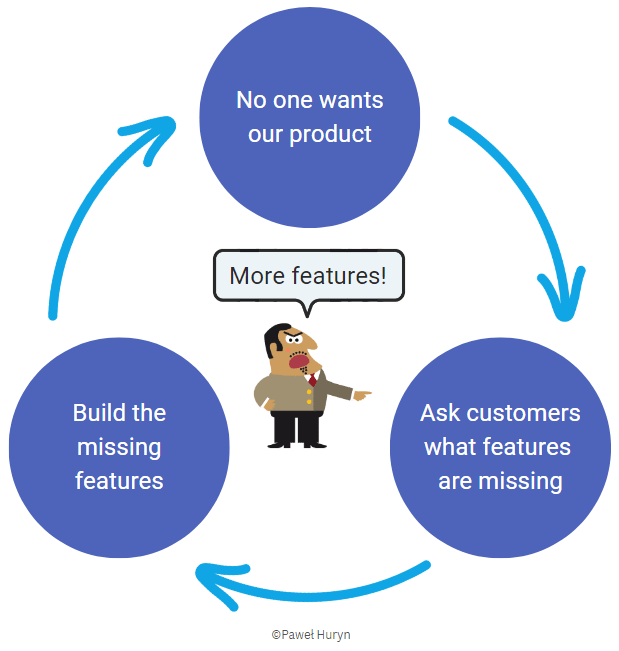
Every startup embarks on a journey fueled by great ideas and a compelling vision to create outstanding products. However, somewhere along the way, many find themselves ensnared in the product death cycle, leading to a fate of obscurity in the market.

What is Good Product Management?

Good product management typically lives at the crossroads between business goals, user or customer experience, and technology. While execution differs from organization to organization, it includes key common elements:

  • Product strategy: The long term vision of what product success looks like and how to achieve it.
  • Product development: Designing and building products based on business goals and customer needs.
  • Market launch: A product’s release (and the marketing campaigns that accompany it).
  • Continuous improvement: Long-term support to ensure that product performance improves over time.

The product death cycle can be a perilous trap, often leading product managers to become mere waiters, collecting and waterfalling “feature requirements” without addressing real problems or driving desired business outcomes. 

Escaping this trap requires a mindful approach. Here’s a roadmap to break free:

1. Respect Your Vision and Strategy

  • Define why you’re building the product.
  • Envision where you want to be in 2-5 years.
  • Identify your target audience and unique product value.
  • Align with the company’s vision and strategy.
  • Understand the jobs to be done.
  • Acknowledge the tradeoffs in customer selection.
  • Determine how the product creates business value.

2. Don’t Let Customers Design Solutions

  • Understand customer problems, needs, and desires deeply.
  • Regularly interview customers and involve designers and engineers.
  • Foster a shared understanding and remain open to diverse perspectives.
  • Recognize that valuable ideas often come from engineers.

3. Experiment to Test Your Ideas

  • Run small experiments to validate ideas quickly and inexpensively.
  • Assess key risks: value, usability, viability, feasibility, and ethics.
  • Identify what needs to be true for an idea to work.
  • Test assumptions with minimal effort.

4. Push Back on Handed-Down Solutions

  • Respect stakeholders, but challenge their authority.
  • Question solutions and push back on directives.
  • Embrace uncomfortable conversations for growth.

🛑 The Pitfalls:

  • Lack of Continuous Validation: Losing touch with the original problem the startup aimed to solve.
  • Feature Overload: Pleasing everyone results in a bloated product and delayed releases.
  • Ignoring User Feedback: Underestimating the importance of user input hinders improvement.
  • Inadequate Adaptability: Failing to evolve with market changes can lead to irrelevance.
  • Misalignment: A misfit between the product and the target market results in low adoption.
  • Business Model Viability: Ignoring the need for a sustainable business model can lead to financial woes.
  • Lack of Strategic Focus: Losing sight of the long-term vision results in reactionary decisions.
  • Team Misalignment: Discrepancies in understanding goals and priorities hinder progress.
  • Resource Mismanagement: Poor allocation of resources leads to delays and setbacks.
  • Failure to Learn: Not learning from failures perpetuates a cycle of setbacks.

Overcoming the product death cycle requires a strategic and proactive approach to product management.

The Solution: As startups, we can break free from this cycle by:

  • Continuous Validation: Stay connected to real-world needs through regular market validation.
  • Prioritizing Features: Focus on core value and iterate with a minimum viable product (MVP).
  • User Feedback: Establish robust feedback loops and be responsive to user needs.
  • Adaptability: Stay agile, pivot when necessary, and adapt to evolving market dynamics.
  • Product-Market Fit: Continuously refine the fit to address genuine market needs.
  • Business Model Viability: Assess and ensure the sustainability of the business model.
  • Strategic Focus: Maintain a clear vision and align short-term actions with long-term goals.
  • Team Alignment: Foster open communication and ensure a shared understanding of goals.
  • Resource Management: Efficiently allocate resources with realistic timelines.
  • Learning from Failure: Embrace a culture of learning and use setbacks as opportunities for growth.

Here’s a step-by-step guide on how to break free from the cycle and rejuvenate your product:

1. Reflect on Vision and Strategy:

  • Revisit the initial vision and strategy for your product.
  • Define clear objectives, goals, and a roadmap for the future.
  • Ensure alignment with the overall company vision and strategy.

2. Customer-Centric Approach:

  • Shift the focus from features to understanding customer problems.
  • Regularly engage with customers through interviews, surveys, and feedback loops.
  • Involve the entire team, including designers and engineers, in customer interactions.

3. Continuous Discovery:

  • Embrace continuous discovery to stay in tune with evolving customer needs.
  • Foster a culture of curiosity and learning within your team.
  • Use tools and methodologies that support ongoing discovery and problem validation.

4. Experimentation and Validation:

  • Prioritize experimentation to validate ideas before committing resources.
  • Run small, low-cost experiments to test assumptions.
  • Focus on key risk areas: value proposition, usability, viability, feasibility, and ethics.

5. Agile and Iterative Development:

  • Adopt an agile development methodology for iterative product releases.
  • Break down large projects into smaller, manageable tasks with quick feedback loops.
  • Embrace flexibility to adapt to changing market conditions.

6. Data-Driven Decision Making:

  • Leverage data analytics to make informed decisions.
  • Monitor key performance indicators (KPIs) and user metrics.
  • Use A/B testing to assess the impact of changes on user behavior.

7. Stakeholder Communication:

  • Maintain open communication with stakeholders.
  • Educate stakeholders on the importance of a customer-centric approach.
  • Articulate the value of strategic decision-making over feature-driven development.

8. Empowerment and Accountability:

  • Empower your team to take ownership of their work and decisions.
  • Foster a culture of accountability and continuous improvement.
  • Encourage cross-functional collaboration for holistic problem-solving.

9. Regular Review and Adaptation:

  • Conduct regular product reviews to assess progress and impact.
  • Be willing to adapt strategies based on feedback and market changes.
  • Iterate on both product features and the overall development process.

10. Seek External Perspectives:

  • Bring in external perspectives through partnerships, advisors, or external consultants.
  • Attend industry events and conferences to stay updated on trends and best practices.
  • Network with professionals facing similar challenges.

Despite readily available knowledge, many companies fall into the product death cycle. Let’s break the cycle and pave the way for innovative, impactful products.

Breaking free from the product death cycle requires a commitment to ongoing learning, adaptability, and a relentless focus on delivering value to customers. By implementing these strategies, you can rejuvenate your product and ensure long-term success in the market.

Sources: https://www.productplan.com/glossary/feature-factory/ https://userpilot.com/blog/product-feature-death-cycle/ https://www.mightybytes.com/blog/product-management-the-build-trap/ https://twitter.com/PawelHuryn/status/1658487734774951945

If you wanna share your experiences, you can find me online in all your favorite places  LinkedIn and Facebook. Shoot me a DM, a tweet, a comment, or whatever works best for you. I’ll be the one trying to figure out how to read books and get better at playing ping pong at the same time.

 
Leave a comment

Posted by on October 9, 2023 in Experiences of Life.


Tags: , , , , , , , , , , ,

Effective Stakeholder Management as a New Scrum Master


Each minute of our life is a lesson but most of us fail to read it. I thought I would just add my daily lessons & the lessons that I learned by seeing the people around here. So it may be useful for you and as memories for me.

Congratulations on your journey as a newly appointed Scrum Master! While technical expertise is crucial, your ability to manage stakeholders effectively is equally essential. Stakeholders are pivotal to project success, and your role involves establishing robust relationships with them. In this WordPress article, we delve into the significance of stakeholder management and offer practical insights to help you excel in this critical aspect of your role.

Understanding Stakeholder Management:
Stakeholder management encompasses the identification, engagement, and collaboration with individuals or groups who hold a vested interest in the project’s outcome. These stakeholders encompass a broad spectrum, including product owners, executives, customers, end-users, and team members. By actively involving stakeholders throughout the project’s life cycle, you ensure their needs are understood, expectations are managed, and, ultimately, project success is attained.

Building Relationships:
Effective stakeholder management begins with forging strong relationships. Take the time to grasp each stakeholder’s perspective, concerns, and objectives. Regular communication, attentive listening to feedback, and addressing their needs are essential steps.

Clear Communication:
Concise and transparent communication is a linchpin when interacting with stakeholders. Ensure that project goals, progress, and potential risks are conveyed effectively.

Managing Expectations:
Stakeholders often hold differing expectations, priorities, and timelines. It’s crucial to align these expectations with the project’s goals and constraints. Clearly define the project’s scope, timelines, and deliverables, ensuring that stakeholders have a realistic understanding of achievable outcomes within given constraints.

Collaboration and Empowerment:
Stakeholders should actively participate in the project, not just observe from the sidelines. Encourage their involvement by providing opportunities for collaboration, feedback, and decision-making.

Adapting to Change:
Projects are dynamic entities, and requirements may evolve. As a Scrum Master, you play a pivotal role in managing change effectively. Engage stakeholders early to understand their concerns and secure their support for any necessary adjustments.

Conclusion:
Stakeholder management is an indispensable skill for any Scrum Master, significantly influencing project outcomes. By cultivating relationships, establishing transparent communication channels, managing expectations, fostering collaboration, and embracing change, you can navigate the intricacies of stakeholder management with confidence. Effective stakeholder management isn’t merely about meeting their needs; it’s about fostering enduring partnerships that contribute to overall project success. Embrace this facet of your role, and witness your projects thrive.

If you wanna share your experiences, you can find me online in all your favorite places  LinkedIn and Facebook. Shoot me a DM, a tweet, a comment, or whatever works best for you. I’ll be the one trying to figure out how to read books and get better at playing ping pong at the same time.

 
Leave a comment

Posted by on August 2, 2023 in Experiences of Life.


Tags: , , , , , ,

Do You Maintain a Healthy Work Environment?


Each minute of our life is a lesson but most of us fail to read it. I thought I would just add my daily lessons & the lessons that I learned by seeing the people around here. So it may be useful for you and as memories for me.

As a Leader Are you cultivating a positive work environment for your team’s success?

In 21st century, Leaders have more responsibility to create environments where dignity, integrity, honesty, and compassion are keystones of the workplace. A healthy leader is one who understands the importance of their team members’ emotional well-being.

In a leadership position, it’s your responsibility to listen to what your team needs for a healthy workplace environment. Employees are, after all, the heart of the company and the best ambassadors for your brand. Taking care of the office environment will not only improve the overall mood at work, but will increase employee loyalty, work productivity, and team relationships.

Employees’ mental health is likely only to worsen with the present tumultuous economic climate and the drastically changing 21st century workplace. As employees reckon with this, employers may be faced with more employees going on medical leaves or resigning altogether. Having strong mental health support system, may be vital for businesses to grow and thrive and may enable them to attract top talent and retain productive workers.

As a Leader its your responsibility to create a Healthy work environment, where your employees can contribute towards the success of the team and organisation.The mental health and wellbeing of your employees should be a priority for any company. In order for your employees to be happy and successful within your company, it’s important for you to demonstrate how much your care and that the support is there!

Mental health at work refers to the psychological well-being of employees in their work environment. It includes factors such as job satisfaction, work-related stress, burnout, anxiety, depression, and other mental health issues that can arise from work-related pressures and demands.

Like chronic diseases, mental health disorders are treatable, and employers can use comprehensive strategies to cultivate supportive work environments.

The health and wellbeing of your employees should always be a priority in your workplace, make sure that you implement some of the strategies mentioned to keep your employees happy and healthy! Employers need to be more aware of their employee’s feelings than ever before and offer support and guidance to their employees. 

Several factors contribute to poor mental health in the workplace, which can lead to high turnover and a reduction in productivity for a business. These risk factors typically include the workplace structure, interactions at work, how managers function, and the availability of support.

  • Bullying and harassment: A healthy workplace should be void of any mistreatment and hostility.6
  • Micromanagement: 70% of employees who experienced micromanagement considered quitting their jobs.
  • Lack of resources: It is challenging to succeed at work without proper support from a company and its managers.
  • Silence regarding mental health issues: Employees may feel like they need to hide their mental illness when a company exhibits a discriminatory or toxic culture.
  • Inflexible hours and time off: A lack of flexibility can negatively impact employees’ mental wellbeing.
  • Unclear responsibilities and expectations: When expectations aren’t clear, employees are more likely to make mistakes and receive ridicule. This issue can be hard to address, especially when there is a lack of effective communication.
  • Unreasonable expectations: When employees are given tasks that do not align with their experience and training, this can set them up for failure.
  • Poor work-life balance: Employees who are unable to create separation between their profession and personal life are more likely to experience burnout and a lack of productivity.

Post Covid-19, Mental health at work is important for several reasons. Firstly, it affects the overall well-being and productivity of employees, as well as their job satisfaction and engagement. Secondly, it can impact the performance and success of the organization, as employees who are struggling with mental health issues may have difficulty concentrating, making decisions, and working effectively with others.

However, organisations looking to address mental health issues in their workplaces must first assess the culture and leadership team. Having the right culture and a supportive leadership team are key factors to drive an effective and more positive work environment. Therefore, organisations need to coach their leaders on reinforcing an empathetic and more inclusive culture to encourage employees’ mental wellness, sense of relevance and optimal productivity at work.

Employers have a responsibility to create a healthy and supportive work environment that promotes good mental health. This can be achieved through a range of strategies, including providing mental health resources and support for employees, promoting work-life balance, fostering a positive and inclusive workplace culture, and addressing workplace stressors and other factors that can contribute to poor mental health.

Employees also have a role to play in maintaining their own mental health at work. This can include seeking support when needed, setting boundaries to maintain work-life balance, and practicing self-care strategies such as mindfulness, exercise, and social connection.

To support mental health at work, employers can take a number of steps, including:

  1. Creating a positive and inclusive work culture that prioritizes mental health and well-being.
  2. Encouraging open communication and providing opportunities for employees to share their experiences and concerns. Involve employees in decision making and encourage participation
  3. Offering flexible working arrangements and encourgae Hybrid work culture
  4. Educating managers and employees about mental health and how to support those who may be struggling.
  5. Be aware of the existing environment and how it can be altered to promote mental health in the workplace
  6. Learn from leaders and employees who have taken action to create a healthier workplace
  7. Utilize tools that other companies have used to promote mental health
  8. Understand that different employees may have different needs
  9. Take advantage of resources and support for employees who are struggling
  10. Implement and enforce health and safety policies, which includes identifying distress, substance abuse disorders, and illness
  11. Provide resources to manage employees who experience mental health issues and inform them that this is available
  12. Incorporate practices that support a healthy work-life balance
  13. Recognize and reward employees for their contributions

With the right strategies, you can address your mental health issues and get back on track with your overall well-being. No matter how long you’ve been ignoring your mental health, the time to dedicate to your recovery is now.

The only way to enjoy life to the fullest and experience all its wonders is if we take care of ourselves, mentally and physically. Times have changed and more and more people are changing their outlook on mental illness. However, we have a long way to go. Supporting your company’s business goals and supporting your employees’ mental health needs are not different outcomes. As you know, culture eats strategy for lunch. By investing in healthy work culture, you are supporting your employees while also addressing the bottom line.

Conclusion

A positive workplace is more successful over time because it increases positive emotions and well-being. This, in turn, improves the relationship of team members and amplifies their abilities and their creativity. This type of workplace environment is a buffer against negative experiences such as stress, thus improving staff’s resiliency to bounce back from challenges and difficulties while bolstering their overall health. It has the added benefit of attracting employees, making them more loyal to the team and to the organization as well as bringing out their strengths. When organizations develop positive cultures, they achieve significantly higher levels of organizational effectiveness — including customer satisfaction, productivity, and employee engagement. That’s a sure recipe for success. Give it a try and be the leader who inspires others.

Don’t wait another day or another week or another month. You don’t need to be dealing with this anymore. It’s time to take back control of your thoughts and emotions, and start living a happy and fulfilling life.

If you are experiencing a mental illness that you have not yet sought treatment for, it is crucial to ask for help right away. You are not alone, and there are various mental health professionals who can help you live a happier life, even in these unprecedented times.

If you wanna share your experiences, you can find me online in all your favorite places  LinkedIn and Facebook. Shoot me a DM, a tweet, a comment, or whatever works best for you. I’ll be the one trying to figure out how to read books and get better at playing ping pong at the same time.

Sources

Mental Health In The Workplace: A Look At Leaders’ Top Priorities https://www.forbes.com/

Mental Health in the Workplace During COVID-19 How Can Employers Help? https://healthblog.uofmhealth.org/

Mental Health in the Workplace.  https://www.cdc.gov/

Ultimate guide for mental health in the workplace https://socalempowered.com/

What Makes a Healthy Work Environment: https://aboutleaders.com/


Tags: , , , , ,

Life is a Journey from Nowhere to NOW HERE 👣 


Each minute of our life is a lesson but most of us fail to read it. I thought I would just add my daily lessons & the lessons that I learned by seeing the people around here. So it may be useful for you and as memories for me.

Life is a journey with many ups and downs, twists and turns, joys and heartaches. When the down times and heartaches come, you need to remember they are not your final destination–they are just part of the journey.

Life can be a rocky road; the challenge is not to let it grind you into dust, but to polish you into brilliant gem. Everybody can add that little space in their life to NOWHERE and make NOW HERE!

Life is complex. Each one of us must make his own path through life. There are no self-help manuals, no formulas, no easy answers. The right road for one is the wrong road for another…The journey of life is not paved in blacktop; it is not brightly lit, and it has no road signs. It is a rocky path through the wilderness.

Life is unpredictable, and it can be both beautiful and unkind at the same time. While some people seem to have a relatively smooth ride, others experience life’s unkindness on a more regular basis. From physical and emotional pain to financial difficulties and relationship troubles, life can be tough for many people.

Life can be very unkind for following reasons!

If you’re not popular, you want fame.

If you’re popular, you want privacy.

If you are poor, you need money.

If you are rich you realize that there is still a lack of happiness in your life. You just want to live a simple life.

Life becomes stressful if you are intelligent because you are not able to ignore anything.

If you’re clumsy, you make mistakes because of your ignorant behavior.

If you’re single, you want a relationship.

If you’re in a relationship, you want some space and freedom.

If you’re not a powerful person, you feel like people dominate you.

If you are a powerful person, you realize that you have to handle all the responsibilities. And it’s hard to identify who really loves you and who’s pretending.

Life can be very unkind to some people, sometimes as a result of circumstances beyond their control such as natural disasters, illness, loss of loved ones or accidents. Other times, unkindness can stem from intentional actions of others such as abuse, bullying, discrimination, or injustice. It’s also important to note that some people may face multiple challenges and hardships, making their experiences of life even more difficult.

It’s important to remember that we are not alone in our struggles and to seek help from friends, family, or professionals when needed. By finding ways to cope and overcome our challenges, we can emerge stronger and wiser.

Everybody can add that little space in their life to NOWHERE and make NOW HERE!
It doesn’t matter where did you start..
or how old or how young you are.
or how much or how little money you have.
or what your current job is or where you work.
or how big or small your mortgage is.
or do you possess luxurious cars or commute by bicycle.
or in which country you live.
The only thing that matters in Where you are going to End and How.

However, it’s also worth mentioning that life can also be full of kindness and generosity, and many people experience love, support, and positive experiences despite facing challenges. It’s important to remember that every person’s journey is unique, and no one’s life can be reduced to a single adjective such as “unkind.

Life is never perfect. Every solution brings a new problem. Light exists because of darkness and this is the bitter truth of life. Acceptance is the only solution.

If you will keep moving through your hardships, one day and one step at a time, you will, someday soon, look back and realize the difference between “nowhere” and “now here” was just a little space! Nowhere is cared by no one, but Now Here can command the world.

Please feel free to share your story and any lessons you learned, you experienced, you came across in your life in the comments below. If you enjoyed this, or any other other posts, I’d be honored if you’d share it with your family, friends and followers!

The key is to stay focused and work hard towards achieving your goals.
Good luck!

If you wanna share your experiences, you can find me online in all your favorite places  LinkedIn and Facebook. Shoot me a DM, a tweet, a comment, or whatever works best for you. I’ll be the one trying to figure out how to read books and get better at playing ping pong at the same time.
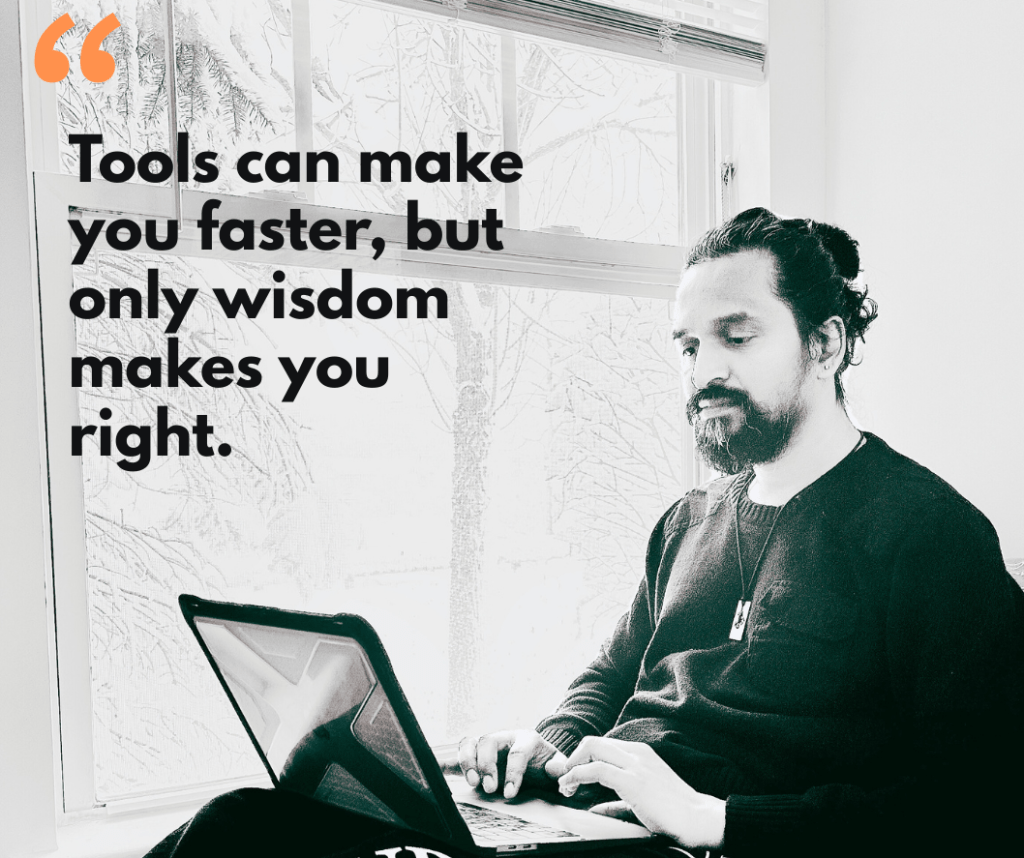
Source: https://munnaprawin.com/2019/11/03/journey-from-nowhere-to-now-here/, Abhishek Ambad, Farrukh Shaikh


Tags: , , , ,

Rebuilding the Broken Healthcare System: Empowering Patients with Data Ownership and Control


Each minute of our life is a lesson but most of us fail to read it. I thought I would just add my daily lessons & the lessons that I learned by seeing the people around here. So it may be useful for you and as memories for me.

In our current healthcare landscape, the need for a comprehensive overhaul is undeniable. From rising costs and administrative inefficiencies to data privacy concerns, the system is in dire need of transformation. Fortunately, the key to rebuilding a more robust and patient-centric healthcare system lies in placing the power back into the hands of the patients themselves.

One of the fundamental pillars of this transformation is the idea that patients should have full ownership of their health data. By granting patients the autonomy to access, manage, and share their own data, we can foster a sense of empowerment and engagement that is crucial for their overall well-being. When patients have control over their health data, they become active participants in their care journey, leading to better health outcomes and increased satisfaction with the healthcare process.

Moreover, it is imperative to ensure that patients have complete control over who can access their data and for what purpose. This approach not only safeguards patient privacy but also fosters a sense of trust between patients and healthcare providers. By allowing patients to dictate which providers, applications, and researchers can utilize their data, we can establish a more transparent and collaborative healthcare ecosystem that prioritizes patient preferences and values their consent.

Empowering patients to own their healthcare data is a critical step in enhancing transparency, fostering patient engagement, and promoting personalized care. Here are several key steps that can be implemented to ensure patients have ownership of their data:

  1. Data Access Portals: Implement user-friendly online portals that allow patients to access their medical records, test results, and treatment history easily.
  2. Data Download and Sharing Options: Provide patients with the ability to download their health data in a standardized, accessible format, enabling them to share it with other healthcare providers as needed.
  3. Consent Management Tools: Integrate consent management tools that enable patients to control who can access their data and for what specific purposes, ensuring transparency and privacy protection.
  4. Patient-Generated Data Integration: Enable patients to contribute data from personal health devices, such as wearable fitness trackers and smartwatches, to create a more comprehensive view of their health status.
  5. Education and Training Programs: Offer educational resources and training sessions to help patients understand the importance of owning their data, how to access it, and how to utilize it for better self-care and decision-making.
  6. Data Security Measures: Implement robust security protocols and encryption techniques to safeguard patient data from unauthorized access, ensuring compliance with privacy regulations such as HIPAA (Health Insurance Portability and Accountability Act) and GDPR (General Data Protection Regulation).
  7. Transparent Data Policies: Establish clear and transparent data policies that outline patients’ rights, data usage guidelines, and procedures for data access, sharing, and revocation of consent.
  8. Feedback Mechanisms: Create feedback channels where patients can provide input on data management processes, express concerns, and suggest improvements to enhance the overall patient experience and data ownership journey.
  9. Collaborative Decision-Making Tools: Develop platforms that facilitate collaborative decision-making between patients and healthcare providers, allowing patients to actively participate in treatment planning and goal-setting based on their personal health data.
  10. Long-Term Data Storage Options: Provide patients with the option to securely store their data for the long term, ensuring accessibility for future reference and continuity of care across different healthcare settings.

By integrating these steps into healthcare systems and practices, patients can take a more proactive role in managing their health, fostering a culture of patient empowerment, and ultimately contributing to the improvement of healthcare outcomes.

In this reimagined healthcare paradigm, the role of data usage and its impact on patient care cannot be overstated. By compensating patients based on how their data is used, we can create a fair and equitable system that acknowledges the value of their contributions. This approach not only incentivizes patients to actively participate in data sharing but also promotes a culture of mutual respect and reciprocity between patients, clinicians, and researchers.

For clinicians, the availability of comprehensive patient data is invaluable in making well-informed decisions and providing high-quality care. With access to a holistic view of a patient’s health history, clinicians can tailor their treatment plans, offer personalized interventions, and proactively address potential health concerns. The integration of patient data into clinical practice not only enhances the efficiency of healthcare delivery but also strengthens the patient-provider relationship, fostering a collaborative and patient-centric approach to care.

The journey towards rebuilding a broken healthcare system is a collective effort that requires the collaboration of healthcare providers, policymakers, and technology innovators. By placing patients at the center of this transformation and empowering them with data ownership and control, we can pave the way for a more inclusive, efficient, and patient-driven healthcare system that prioritizes the well-being and autonomy of every individual.

Through a concerted commitment to patient empowerment, data privacy, and collaborative care, we can lay the foundation for a healthcare ecosystem that not only delivers high-quality care but also fosters a culture of trust, transparency, and patient-centricity. It is time to rebuild our healthcare system, one that truly values and prioritizes the needs and rights of every patient.

Title: Rebuilding the Broken Healthcare System: Empowering Patients with Data Ownership and Control

In our current healthcare landscape, the need for a comprehensive overhaul is undeniable. From rising costs and administrative inefficiencies to data privacy concerns, the system is in dire need of transformation. Fortunately, the key to rebuilding a more robust and patient-centric healthcare system lies in placing the power back into the hands of the patients themselves.

One of the fundamental pillars of this transformation is the idea that patients should have full ownership of their health data. By granting patients the autonomy to access, manage, and share their own data, we can foster a sense of empowerment and engagement that is crucial for their overall well-being. When patients have control over their health data, they become active participants in their care journey, leading to better health outcomes and increased satisfaction with the healthcare process.

Moreover, it is imperative to ensure that patients have complete control over who can access their data and for what purpose. This approach not only safeguards patient privacy but also fosters a sense of trust between patients and healthcare providers. By allowing patients to dictate which providers, applications, and researchers can utilize their data, we can establish a more transparent and collaborative healthcare ecosystem that prioritizes patient preferences and values their consent.

In this reimagined healthcare paradigm, the role of data usage and its impact on patient care cannot be overstated. By compensating patients based on how their data is used, we can create a fair and equitable system that acknowledges the value of their contributions. This approach not only incentivizes patients to actively participate in data sharing but also promotes a culture of mutual respect and reciprocity between patients, clinicians, and researchers.

For clinicians, the availability of comprehensive patient data is invaluable in making well-informed decisions and providing high-quality care. With access to a holistic view of a patient’s health history, clinicians can tailor their treatment plans, offer personalized interventions, and proactively address potential health concerns. The integration of patient data into clinical practice not only enhances the efficiency of healthcare delivery but also strengthens the patient-provider relationship, fostering a collaborative and patient-centric approach to care.

The journey towards rebuilding a broken healthcare system is a collective effort that requires the collaboration of healthcare providers, policymakers, and technology innovators. By placing patients at the center of this transformation and empowering them with data ownership and control, we can pave the way for a more inclusive, efficient, and patient-driven healthcare system that prioritizes the well-being and autonomy of every individual.

Through a concerted commitment to patient empowerment, data privacy, and collaborative care, we can lay the foundation for a healthcare ecosystem that not only delivers high-quality care but also fosters a culture of trust, transparency, and patient-centricity. It is time to rebuild our healthcare system, one that truly values and prioritizes the needs and rights of every patient.

Join me in revolutionizing the future of healthcare. Together, we can create a system that prioritizes transparency, efficiency, and patient well-being.

If you wanna share your experiences, you can find me online in all your favorite places  LinkedIn and Facebook. Shoot me a DM, a tweet, a comment, or whatever works best for you. I’ll be the one trying to figure out how to read books and get better at playing ping pong at the same time.

 
Leave a comment

Posted by on April 8, 2023 in Experiences of Life.


Tags: , , , ,

Remote Job Sites To Find Your Dream Job


Each minute of our life is a lesson but most of us fail to read it. I thought I would just add my daily lessons & the lessons that I learned by seeing the people around here. So it may be useful for you and as memories for me

Remote work is growing in the coronavirus economy. More and more companies are providing remote opportunities, and many are keen to enjoy the benefits that remote work allows.

Maybe you are looking for a job you can do from home because you are tired of your daily commute or because you want to spend more time with your family. Maybe you want to travel a bit more and that’s why you are looking for a location-independent position. No matter what your reason is, online jobs are more popular than ever before.

Do you want to work remotely and find the best career opportunities? Here are some job websites you might find useful!

This list excludes the most prominent and popular job boards such as LinkedIn, Glassdoor, Flex, ZipRecruiters, Monster, Hired.

  1. AngelList is very popular for its great list of startup jobs. You can find jobs in all fields, such as finance or engineering. Simply apply the remote filter option to display location-independent positions only.
  2. Remote.co- A lot of companies seek remote workers here, you can find lot of opportunities here. They also offer advice and best practices for managing remote teams and job listings.
    Link- remote.co
  3. Working Nomads- It curates remote job opportunities from around the web and compiles them in one place, making it easier for you to find relevant opportunities.
    Link- workingnomads.co/jobs
  4. We Work Remotely- Board for remote jobs, feature job opportunities across various industries, including software development, design, marketing, and more.
    Link- weworkremotely.com
  5. Jobspresso- Best website if you want job opportunities in marketing, design, customer service. They have lot of remote job opportunities.
    Link- jobspresso.co
  6. Virtual Vocations- It is a board that provides job opportunitues in healthcare, education, marketing sectors.
    Link- virtualvocations.com
  7. Freelancer.com- A platform that connects freelancers with businesses looking for freelance services, allows freelancers to find remote work opportunities.
    Link- freelancer.com
  8. SkipTheDrive- A lot of remote job opportunities across software development, customer service, and more similar categories.
    Link- skipthedrive.com
  9. PeoplePerHour- Best platform for freelancers who are looking for clients and want to earn per hour. You can find lot of job opportunities here.
    Link- peopleperhour.com
  10. Guru is a platform that lists location-independent jobs only. They offer a wide range of positions, often focused on web development, content writing or translation.
  11. Upwork: Freelancing platform where businesses can post projects and freelancers can bid on and work on them. Link- https://www.upwork.com/
  12. Indeed  A platform for finding remote jobs in technology, customer service, sales, and marketing.
  13. Pangian: This remote job board provides a robust list of remote positions in categories like design, operations, IT/dev, sales, and teaching.
  14. Dice helps to connect hiring companies and tech professionals. You can search by job title, keyword, company, and – of course – location. Link – https://www.dice.com/
  15. Gun.io is passionate about connecting highly skilled freelance developers with great clients who appreciate their work.
  16. Crossover – Crossover is yet another massive recruitment platform that specialises in 100% remote jobs, connecting talented professionals from around the world with companies seeking the best.
  17. Arc – Arc is unlike traditional job boards, which offer both full-time and freelance opportunities. This remote work community is primarily focused on mid-level to senior developers with specific disciplines
  18. No Desk is another remote work community. It also has some remote work resources such as articles, blogs, books, and newsletters to help people find their next remote job.
  19. Remote Woman– It also focuses on remote jobs that female-friendly companies offer with paid parental leave and other perks for women.
  20. Après is the perfect remote job site for moms who want to have a flexible job. You can find freelance or contract-based jobs here, full-time or part-time ones at startups, media, and tech industries.
  21. Dribble Jobs is specifically for designers and offers mainly local jobs, but has an extra filter for remote positions, too.
  22. F6s is a popular website for startup organizations to find their talents. It lets you filter out the remote positions and you can search by equity and compensation.
  23. Freelancer is one of the most popular remote job sites, which connects freelancers of all kinds to employers. You can either work on a fixed price basis, charge hourly rates or bid and paarticipate in contests
  24. Freelancermap is a platform where IT professionals and businesses come together. The average project pays about 200 USD and is all about IT.
  25. Hubstaff Talent is a rather new remote job site, that connects freelancers and businesses for free. Offered jobs are in any field from web development to customer service to content writing.
  26. Idealist is one of the very few remote job sites, that doesn’t list any tech-related jobs at all. Instead, you can find a great selection of fields like health, youth, or legal assistance.
  27. Peopleforce is an enterprise crowdsourcing platform that is ideal for freelancers who are interested in data entry, data cleaning, research, and tagging jobs.
  28. ProZ is probably the world’s largest translator network. It provides a massive choice of translation work for freelancers and is often the first address for professional translators.
  29. Stack Overflow Careers focuses on programmers. You can explore remote jobs, that are based in a certain area and look up career salaries.
  30. Werk is a fairly new remote job site that offers flexible work options for women. That can be short-term projects for maternity leaves, job-sharing, or other remote positions.

References:

https://www.comparehero.my/career/articles/earn-money-usd-10-freelance-platforms

https://www.digitalnomadsoul.com/best-remote-job-sites/

https://www.makeuseof.com/best-job-websites-find-remote-work/

The list above is not the entire possible list of places you can get dollar-paying remote jobs across the globe. If you have gotten jobs or know people who have gotten jobs from other platforms aside from the ones we have listed above, please indicate them in the comment box.

The key is to stay focused and work hard towards achieving your goals.
Good luck!

If you wanna share your experiences, you can find me online in all your favorite places  LinkedIn and Facebook. Shoot me a DM, a tweet, a comment, or whatever works best for you. I’ll be the one trying to figure out how to read books and get better at playing ping pong at the same time.


Tags: , , , , ,

Disappear for 90 days and set yourself 10 years ahead


Each minute of our life is a lesson but most of us fail to read it. I thought I would just add my daily lessons & the lessons that I learned by seeing the people around here. So it may be useful for you and as memories for me.

The concept of “Disappearing for 90 Days” is associated with taking a break from daily routines to reflect and recharge.
Here are some primary decisions you need to consider to come out of the crowd and make the difference:

1. Develop a routine. Sleep at 9:00 PM and be awake at 4.00 AM every day.

2. Spend 60-minutes of your day reading ,writing, and internalizing what you understand.

3. Be willing to let go of friendships that don’t serve you. If you hangout with losers, you become a loser.

4. Master the art of self-discipline. Get up early, work long hours, and face your problems head on.

5. Learn a high-income skill that’ll earn you $10k+ per month.

6. Stop chasing cheap dopamine. Prioritize what’s important over pleasure.

7. Hit at least 100 push ups and 80 squats per day to stay strong. You’ll also be healthier than 97% of people.

8. Build self-discipline by taking one cold shower in the morning.

9. Make the internet a source of your income. There’re endless possibilities for making money.

10. Take 100% responsibility for your life and never blame circumstances or anyone.

11. Include proteins, fresh fruits, and 3L of water in your daily diet to optimize your health.

12. Hang out with people who obsess over making moves and living a good life. Your circle should not gossip, complain, or get jealous of each other.

13. Invest in a good wardrobe, a good niche fragrance, and learn how to talk. You’ll boost your success rate by 94%.

14. Befriend nature, walk 5000 steps per day to clear your mind, boost your mood and get creative.

15. Keep distance from people who only prioritize their needs over yours. They’re your greatest setback.

16. Be smart enough to quit weed, p*orn, and alcohol. They’re the worst distraction that’ll raise your dopamine, make you dumb, and depressed.

By incorporating these activities into your 90 days of “disappearing,” you can get 10 years ahead in your personal and professional life.

My Life literally changed when I changed the way I looked at this world. It all comes down to an Unbreakable Mindset… in short THE CHAD MINDSET Grab your copy to permanently alter the way you think and become a CHAD here:

The key is to stay focused and dedicated to your goals.
Good luck!

If you wanna share your experiences, you can find me online in all your favorite places  LinkedIn and Facebook. Shoot me a DM, a tweet, a comment, or whatever works best for you. I’ll be the one trying to figure out how to read books and get better at playing ping pong at the same time.

 

Tags: , , , , ,

Do You Push Your Team Members Too Hard?


Each minute of our life is a lesson but most of us fail to read it. I thought I would just add my daily lessons & the lessons that I learned by seeing the people around here. So it may be useful for you and as memories for me.

Many of us have experienced the frustration of working for a manager who intimidates their team members while apparently charming their superiors at the same time.  But it’s hard to know if you are that type of manager.  You might think you are doing a good job.  You get results by challenging and pushing people past their comfort zones. But what if they perceive your style as overly intimidating and as a consequence they are actually afraid of you?

Some managers believe that being direct and pushy is the only way to get results.  While this can be appropriate in some situations,  it does not build a culture of trust and commitment in the long term. 

There was a company that was struggling to meet its goals and objectives.

The management team was constantly pushing their employees to work harder and faster, but nothing seemed to be working.
One day, a wise consultant was brought in to help the company improve its management practices. The consultant observed the company’s operations for a few weeks and then called a meeting with the management team.

The consultant started by telling the management team a story:

“There was a farmer who had a field of wheat that wasn’t growing well. He tried everything he could think of, but nothing seemed to help the wheat grow. One day, he decided to try something new. Instead of pushing the wheat to grow, he decided to focus on the soil. He enriched the soil, gave it the nutrients it needed, and then let nature take its course. To his amazement, the wheat grew tall and strong.”

The consultant then turned to the management team and said, “Just like the farmer, you need to focus on the ‘soil’ of your company. Your employees are the soil that your company grows in. If you invest in them, give them the support they need, and create a positive work environment, they will grow and thrive. Your company will flourish as a result.”

The moral of the story is that good management is not just about pushing people harder, but also about investing in them and creating a positive work environment that supports growth and development.

If you wanna share your experiences, you can find me online in all your favorite places  LinkedIn and Facebook. Shoot me a DM, a tweet, a comment, or whatever works best for you. I’ll be the one trying to figure out how to read books and get better at playing ping pong at the same time.

 
Leave a comment

Posted by on January 13, 2023 in Life & It's Importance, Work Place


Tags: , ,

A bad boss can make your life miserable


Each minute of our life is a lesson but most of us fail to read it. I thought I would just add my daily lessons & the lessons that I learned by seeing the people around here. So it may be useful for you and as memories for me.

Have you ever worked for someone that made your life a living hell ?

I definitely would never wish for any one of you to be in a situation where your horrible boss is intolerable. But if you are in such a situation, then this article will definitely help you.

You can’t choose your boss, but you can choose how you react to a bad one. After having so many bosses, I can tell you there will be a boss at one point who will make your life miserable.

Bad bosses are everywhere. About 50% of employees are said to quit their jobs because of a bad boss. Everyone, at some point in their career, has had a boss from hell. The person that crushes your spirit on a daily basis and makes, going to work, one of the things you hate most.

Quitting is hard

People stay in jobs with bosses they don’t like for a multitude of reasons. Some of the most common reasons I’ve heard during my 16 years of organizational consulting and coaching include:

– I don’t have the energy to look for a new job.

– I love the job I am doing

– I love the vision of company

– Things might get better.

– I really like my job/colleagues/commute.

– I need the salary. I can’t afford to take a pay cut.

– There aren’t any other jobs that would be better.

– I don’t want to lose the benefits.

– I ’ve invested too much to start over in a new organization.

– This job pays too well to leave.

– I don’t have the skills to get a different job.

It happens to the best of us — we start a new job only to find that our boss is not ideal. They might be a micromanager, a visionary that lacks the ability to get the job done, a boss who likes to take all the credit for their team’s good work, a poor communicator, a non-communicator, an absentee boss … the list goes on.

Characteristics of a Horrible Boss:

  • A Blame-Shifter
  • Angry and treat others wrong
  • Takes away your freedom of choice
  • Arrogance with their ostentatious personality
  • Controlling Delegator
  • Driven by emotion not on confidence
  • Favoritism towards certain employees
  • Indecisive in nature
  • Micromanage their employees
  • No Long term Vision
  • Demoralize you and your self-worth
  • Resist Change in the workplace
  • Stubborn and think they’re right
  • Use fear as a form of management
  • Throttle your growth
  • They come in late, but expect you to arrive early and leave late

If you’re working for someone that fits any or all of the above, it may be time to run for the hills. Your future is at stake.

Two rules for success when you have a bad boss:

Rule #1: Your boss’s boss won’t correct the situation. This is true if your bad boss has longevity and he was hired by his current boss. When these two things are true, don’t expect things to change. Adopt other strategies to improve your life.

Rule #2: Bring your best self to work. Be pleasant, helpful, productive, kind, positive, and energetic. Adopt positive behaviors because it’s who you are.

Never let a bad boss make you a bad employee.

I gave a frustrated coaching client this feedback. “Your best self comes out when you talk about work, projects, and vision. But when you talk about your bad boss, your worst self comes out.”

“Which self do you want others to see?”

If you want to keep top talent, make sure that your bad boss habits don’t get in the way of productivity and growth! Bad Bosses are a common occurrence in any workplace, but there are ways for you to help them become better managers and leaders.

What rules might you suggest for people who have a bad boss?

If you wanna share your experiences, you can find me online in all your favorite places  LinkedIn and Facebook. Shoot me a DM, a tweet, a comment, or whatever works best for you. I’ll be the one trying to figure out how to read books and get better at playing ping pong at the same time.


Tags: , , , , , ,

The year 2022 isn’t over yet. End on a high note


Each minute of our life is a lesson but most of us fail to read it. I thought I would just add my daily lessons & the lessons that I learned by seeing the people around here. So it may be useful for you and as memories for me.

As we approach the end of the year and plan for a new one to begin, most of us enter a phase of reflection. We assess the goals we set to achieve throughout the year. We look at the highs and lows we faced over the past months. We see the things we did do, what we never had a chance to do, and the things that happened organically that we never expected.

The year 2022 was supposed to be a great year. It is the first first full year after Covid Pandemic.This year has been one, never-ending road. It’s had some straights and has been filled with hairpin bends, but the final corner is coming up.

Do a quick year-end review.

Write down everything that went right with your year. There were probably some good moments. Highlighting them can help you package 2022 up and swiftly move on.

Maybe you graduated, landed a new/better job, welcomed a baby into the world, adopted a new pet, or quit a bad habit. Those are all amazing victories! Celebrate them! Take yourself out on a date, buy yourself something pretty, or do a little victory dance in your living room.

I just want you to look back over the last year and think about three things that people smarter than me have been thinking about for decades: What do I want to start doing? What do I want to stop doing? What do I want to keep doing? As you reflect on the year, what’s something new you want to try? What’s something old you want to stop? What’s something great you want to keep doing?

Don’t beat yourself up.

 You might have set ambitious goals for yourself at the start of the year that you now realize you’re not close to reaching as the year comes to a close. Hey, it’s okay! We can’t always reach every single goal we set for ourselves.

Assess why you didn’t reach your goal(s). Maybe you needed more time? If so, extend it as a resolution for next year! Maybe it was too ambitious? If yes, consider adjusting it to be a more realistic goal.

There’s no need to harp on yourself for failing at something. Failure does not define you. It’s part of life. Learn from it, grow from it, and move forward.

Make Adjustments, If Needed

As you reassess your goals, adjust them if it makes sense. Try to ensure all goals are SMART : Specific, Measurable, Achievable, Realistic, and Time specific. If you decide to be a little bolder with your goal setting, also be realistic about what you can do well—or at all—given the time you have between now and year-end.

If overwhelm starts to occur, take it down a notch by asking yourself and a trusted colleague “If this goal is going to happen by year end, how can I most easily make that happen?” By talking through the solution with someone else, you may be able to find solutions that would not have come up otherwise.

End the year with generosity

One of my goals is to be as generous as the portions of fries they give you at Five Guys. Have you ever ordered their fries? That cup overfloweth! Sometimes, in the midst of a busy year, I’ve overlooked opportunities to be both grateful and generous.

As I review the last 12 months, I always discover reasons to be grateful. I notice good things that I missed the first time around because I was hustling so fast. This gratefulness then tends to turn into generosity, as I look for new ways to pass on the gifts that have been passed on to me.

Gratefulness changes me. Generosity changes the world.

Ask a friend one small question.

The end of the year can be stressful for a lot of people. There’s family drama, year-end work projects, holiday expectations, and a swirl of other emotions stacked into this season. Reach out to one friend and ask this question: “Is there anything you need?”

Why does asking this question matter? Because when you ask someone what they need, they become visible and valuable. That’s what everyone in your life wants to know. “Do you see me? Do I matter?” A little question like that can have a significant impact, especially after a stressful year. Crisis magnifies kindness. The small things you do for your relationships this season are worth 100 times what they were two years ago because we’ve all been so isolated. Ask that one small question and then don’t be surprised if it leads to a big conversation.

Get Clear On What You Will STOP Doing

As you are put together a clear plan to reach your goals, be as clear about what you will stop doing as what you will start doing…especially if you have a tendency to try and do too much!

Remember Your Self-Care

For peak performance as you end the year, schedule planned rest periods. “All work and no play is not the true champion’s way.”

Unless you stay physically and mentally strong through year end, achieving your goals won’t mean much. And stress can derail even the best of efforts and intentions.

But, Don’t Forget to Have Fun

By refocusing your efforts, you may be able to achieve significant progress on a couple of key initiatives, rather than finishing the year with a stack of unfinished business. It will make the end of the year a time for celebration, rather than a calm environment before a chaotic return to work.

With all of that being said, perhaps the best way to end the year is to celebrate. Although there isn’t much to celebrate, there is joy in knowing this awful year is coming to an end.

Set the Stage for Next Year

As long as you live, there will always be a next year to do things differently. A new chapter. A new blank canvas to draw on.

Whatever metaphor works for you, own it and make it yours. Learn from this year and turn your disappointments into action items to take into the new year.

We don’t have to own the negatives or carry them with us any longer. If something doesn’t serve you, set it free. Vow to make next year better in whatever way(s) you can. Create a plan that is actionable and realistic. Even if you end up straying from it, it’s better to create a road map that you can aim for and hope for the best.

Focus on the four components every great goal requires.

The goal nerd in me can’t help it. I can’t end this list without giving you a set of specific tools. Goals are not complex. They always involve the same four components: results, actions, time, and motivation.

Results are what you flirted with in item number four on our list. What do you want to accomplish? Actions are the physical steps you’ll take to make those results happen. What will you do? Time is everything from the deadline you pick to finish your results to the hours you plan to invest. Motivation is the fuel, fire, passion, or drive that will keep you going way beyond January 1. Most people are okay at dreaming about results but neglect the other three. We’re not most people though. We finish this last year strong and start the new one even better!

Make actionable goals for the new year on the things that you did not follow through with. Set new goals and achieve them in the coming months. Life is a journey, not a checklist. You can’t do everything or be everything all at once. Take it day-by-day.

“If you’re not working hard, ideas don’t matter. The best idea is worthless without execution.

If you’re already working hard, ideas are crucial. Most effort is wasted on mediocre ideas.”

Don’t over-improve your weaknesses. If you’re not good at something, work on it until it no longer prevents your progress, but the bulk of your time is better spent maximizing your strengths.

You’ll see the progress unfolding as time goes by. Trust me, your year was not as horrible as you think it was. End it on a high note!

I hope you had a wonderful 2022. It’s not over yet though — you’ve still got a chance to finish strong. When you do, let me know how it went. Hopefully, your end of year reflection is full of positives, even among the negatives. You can find me online in all your favorite places  LinkedIn and Facebook. Shoot me a DM, a tweet, a comment, or whatever works best for you. I’ll be the one trying to figure out how to read books and get better at playing ping pong at the same time.

Finish strong by giving a year-end gift to help kids and change the world through generosity Give a Gift. Change a Life.


Tags: , , , , , , , ,

Taking Breaks At Work is My Success Secret  


Each minute of our life is a lesson but most of us fail to read it. I thought I would just add my daily lessons & the lessons that I learned by seeing the people around here. So it may be useful for you and as memories for me.

I strongly believe in the concept of Pause is Power. Like me, People know breaks are helpful, but we don’t always take them. Take your mind off work to give your brain a chance to truly relax.

We are living in competitive world. Competition comes with great pressure and intensity, and it’s important to remind people of the power that can be found in the simple act of a pause, allowing us to come back better and stronger.

Taking break is not a crime. We have to make sure to Prioritise Wellbeing Over Winning.

You don’t want to take breaks because you think you can get more done. But did you? One day you will started realizing that your neck, wrist, and back are hurting, despite being an otherwise health-conscious, active lifestyle advocate.

Remember that, We work best when we adhere to our natural rhythms, which dictate switching between periods of expending energy and periods of renewing energy.

Elite musicians, actors, and athletes know this well enough and rarely practice for longer than 90 minutes in one session. They take breaks between sessions, and rarely work/practice for more than 4.5 hours in any given day.

Basically, microbreaks help you manage your energy resources over the course of the day — and that’s particularly beneficial on days when you’re tired. We Need to Get Serious About Taking Breaks At Work

“Almost everything will work again if you unplug it for a few minutes…including you.” – Anne Lamott

Science Agrees: More Breaks = Higher Productivity

Many people experience “productivity breakthroughs” after going against their instincts to meet a deadline by taking a pause. We emerge refreshed and more resilient after getting up for both brain and movement breaks.

So, how do breaks help us? 

Here’s a quick look at the magic taking breaks does to our brain:

  • Improved focus.
  • Boosted creativity and problem-solving abilities
  • Better information retention
  • Improved productivity
  • Prevents decision fatigue
  • Reevaluate goals and seeing the bigger picture
  • Better stress management

Besides the juicy benefits that breaks have on our brains, now what if you can double the benefits? 

It’s simple – add movement to your breaks.

For those who get the least amount of physical activity, replacing a half hour of sitting time with physical activity was associated with up to a nearly 50% reduction in mortality, according to a new study from the American Cancer Society.

Breaks are a great opportunity to incorporate movement into our workdays to combat the setbacks of a sedentary lifestyle. 

Take a look at the most important benefits of movement breaks:

  • Improve energy levels
  • Boost mood and relieve stress
  • Strengthen weakened muscles and bones
  • Reduces the risk of developing type 2 diabetes and cardiovascular disease
  • Reduces the risk of injury
  • Boost memory and focus

It’s pretty clear that taking breaks is a powerful tool that can make us better at what we do, feel physically better, and happier. 

High-performing people understand the power of taking breaks and know how to take advantage of effective breaks to become more productive while keeping their health in check.

So, how do you harness the power of taking breaks, so that you come back fully recharged both physically and mentally?

Continue reading to find out the strategy that actually works.

How to Work Like an Expert and Maximize Your Productivity

If we want to work like an expert and maximize our productivity, we need to learn from elite performers. Here’s the recipe:

  1. Work in sprints: Give it all you’ve got for short periods of time. Get as much done during that time as possible. Push hard.
  2. Take frequent recovery breaks: In-between work sprints you need to recover and replenish some of your energy.

That’s it. You’re either working super hard – deeply focused, fully engaged, highly concentrated, at full speed – or you’re taking a recovery break.

There’s no more in-between. There’s no more ‘doing some work’. There’s no more preserving energy when you’re working. There’s no more half-assed working because you’re tired or whatever. You either work (you’re super productive) or you don’t (you’re taking a break). You’re either expending energy (work sprint) or replenishing energy (recovery break).

That’s working according to your natural rhythms and it’s exactly how the highest performing people in the world do it.

Now, How long should those work sprints and recovery breaks ideally be?

If you want to copy the best, then the ideal length seems to be working for 90 minutes and recovering for 15 minutes. (That way you also adhere to the ultradian rhythm.)

For most people, however, that’s not very practical. You may have a meeting coming up, co-workers interrupting you, or whatever. What’s important is that you either work or recover. Don’t do some half-working/half-chilling stuff.

Sometimes you may have a work sprint that only lasts for 30 minutes. Or one that lasts for 80 minutes. Or heck, even one that goes on for 2 hours. Similarly, some breaks may only last 10 minutes, or 5 minutes, or 40 minutes.

Don’t overcomplicate it. The key is to make waves and follow periods of intense activity with periods of intense recovery. If you work, work hard. If you take a break, recover properly.

Do that and your productivity will go through the roof. There are a few strategies that’ll help you make your work sprints as productive as possible.

1) Give it all you’ve got.

2) Eliminate all distractions

3) Single-task and work on one task, uninterruptedly, for long periods of time

4) Take mini breaks every 30 minutes.

Forcing the brain to stay hyper focused on work throughout the workday lessens productivity. The solution to this is to take regular breaks so you can refresh both physically and mentally several times a day. Doing so will not only make you more productive but help you prevent job burnout too.

Managing breaks at work

Do you know the difference between some of the best tennis players and average tennis players? One difference is that top players are maximizing their recovery between points.

Here the point is that getting the most out of your recovery breaks is crucial if you’re looking to maximize your productivity. Yes, taking any break is better than not taking breaks at all. But there are better and worse ways to spend your time during breaks.

Watching TV, reading the news, or checking your Facebook newsfeed won’t give you the highest possible returns from your recovery breaks.

Instead, you may want to choose one of the following activities:

  • Get in nature
  • Boost your mood
  • Meditate
  • Walk or exercise
  • Leave the office 
  • Have a healthy snack/meal 
  • Have a brief nap (if you’re allowed) – if not, try some deep breathing 
  • Meditate/daydream 
  • Do something creative – like a puzzle, or doodling 
  • Have a coffee or tea 
  • Create a to-do list for your home-based tasks 

It has become increasingly clear that taking breaks at work helps keep you healthy and productive. Both are important for working individuals to continue to do a good job as well as take care of themselves. Burnout at work is a real problem and employees need to be able to practice reasonable self care so things never escalate to that point. Here are just a few of the reasons why taking breaks at work keeps your productivity levels high.

When people think their employer cares about their health, they feel more empowered to freely make decisions about when to take microbreaks and what type of microbreaks to take,And that is ultimately good for both the employer and the employee.

Final Thoughts

While there are many options for breaks at work, individuals are unique and have to find out what works best for them. Try to make a note of what sort of break benefits you the most – if you can continuously make use of it, your motivation and productivity will stay high.  

Now I’d love to hear from you. What’s your experience with taking regular breaks at work? Let me know in the comments below, and thanks for reading!

References:

https://www.coca-colacompany.com/

Homepage

https://www.stretchminder.app/post/taking-breaks-at-work-the-ultimate-guide

Please feel free to share your story and any lessons you learned, experienced, you came across in your life in the comments below. If you enjoyed this or any other posts, I’d be honored if you’d share them with your family, friends, and followers!

If you wish to follow my journey outside of my writing, you can find me on LinkedIn and FacebookEdit


Tags: , , , , , , ,

The Mexican Fisherman Story – What really Matters in Life?


Each minute of our life is a lesson but most of us fail to read it. I thought I would just add my daily lessons & the lessons that I learned by seeing the people around here. So it may be useful for you and as memories for me.

This Small Story Of ‘ Life Of A Fisherman’ Tells Us The Importance Of Hard Work & How To Live A meaningful Life Beating All Odds!

The short story of The Mexican Fisherman was originally told by Heinrich Böll about an encounter between a tourist and a small fisherman on a European coast.

It’s one of my favorite stories – The Parable of The Mexican Fisherman. It’s short, fun, and packs an important message.

I remember first hearing this inspiring story when I was in my “dream school i.e. Noble Public School, Andhra Pradesh, India in 1990s”. I shared the story with my students to encourage them to keep perspective about pursuing what makes them most passionate in life … and why.

The more I shared this story with others, the more I realized how much perspective I had lost myself. Soon thereafter, I moved away from my school to pursue higher studies and then I continued to share that inspiring and meaningful story till date. A lot of people thought I was crazy.

Here is the story…

A tourist went to Mexico and praised the local fishermen for the quality of their fish and then asked them?
How much time do you need to catch it? And the fishermen answered him in one voice:
“Not long”
He asked them: Why don’t you spend more time and fish more?
The fishermen made it clear that their little catch would suffice their needs and the needs of their families!
He asked them: But what do you do in the rest of your time?
They answered:
We sleep late..
We fish a little…
We play with our children.
We eat with our wives.
And in the evening we visit our friends..
We have fun, laugh and chant some songs
The tourist interrupted:
I have an MBA from Harvard University and I can help you!
You have to start fishing for long periods every day..and then sell the extra fish for a bigger return
And buy a bigger fishing boat 00
They asked him: Then what?
He replied: With the big boat and the extra money..
You can buy a second and third boat, and so on until you have an integrated fleet of fishing vessels,
Instead of selling your catch to an intermediary, you will negotiate directly with the factories, and perhaps you will also open your own factory,
And you will be able to leave this village and move to Mexico, the capital, or Los Angeles or even New York!
From there you will be able to start your giant projects
The fishermen asked the tourist:
How much time will we need to achieve this?
He replied: About twenty or maybe twenty-five year
They asked him: What next?
He replied with a smile: When your business grows, you will speculate in stocks and win millions 00
They asked him in amazement:
Millions? Oh really ?
And what will we do after that?
replied:
Then you can retire
And live quietly in a village on the coast, sleep late..
You play with your children.
And you eat with your wives.
And spend the nights enjoying with friends.
The fishermen answered
With all due respect and appreciation
But that’s exactly what we’re doing now,
So, what is the logic for which we waste twenty-five years of misery?

I love this simple parable. So, what does this story mean for you?

It brings clarity to what the money game is all about… and definitely not about.

It brilliantly illustrates the illusions we so easily fall into when pursuing wealth and financial freedom. It’s far too easy to build incessantly and forget the end game is happiness and a fulfilling life.

It’s equally easy to forget all the goodness we’re surrounded by today.

The truth is, it doesn’t take a lot of money to have a truly wealthy life, but it does take freedom.

So here are some questions for you to ponder as you develop your own life plans for financial freedom:

  • What does financial freedom mean to you? How will it change your life?
  • What do you really need to be happy and fulfilled?
  • How much money do you need to retire?
  • Would a simpler life allow you to retire sooner?
  • What’s the price you pay for simplicity? Complexity?
  • If you died tomorrow, what unfulfilled dreams would you regret having never lived?
  • What’s keeping you from living those dreams today?

While it may be a source or importance, power, and prestige to build what is analogous to a large fishing empire, you need to ask yourself what the end goal of all this is in the first place. Is there a quicker route to your goal? Is there a way that you can take the journey to success and enjoy the fruits of success along the way? How can you strategize this to live a happier, fuller life each and every day (or at least as much as possible)?

Is there something you can simplify in your life today to enjoy some of the reward you may be working so hard to earn? What matters most in your life? Have you lost sight of it while chasing down other goals? Have you become distracted?

Give yourself the gift of a few minutes to drop everything and ponder on this concept and these questions. Pausing and taking a few moments right now may set your life on a trajectory toward a brighter and happier future.

I love you. Thank you for letting me share this inspirational story with you. Please come back for more.

Please feel free to share your story and any lessons you learned, experienced, you came across in your life in the comments below. If you enjoyed this or any other posts, I’d be honored if you’d share them with your family, friends, and followers!

If you wish to follow my journey outside of my writing, you can find me on LinkedIn and Facebook


Tags: , , , , , ,

BEWARE Black Friday is coming


Each minute of our life is a lesson but most of us fail to read it. I thought I would just add my daily lessons & the lessons that I learned by seeing the people around here. So it may be useful for you and as memories for me.

Black Friday 2022 is almost here, and in the run-up to the huge sales day an alert has been put out about scams and tricks that shoppers need to be aware of. Taking few precaution steps could help you save a lot of time, money and stress – gives shoppers help on phishing scams, e-mail security and where best to spend their hard-earned cash.

Black Friday is a major shopping event that originated in the USA but has since grown in popularity in the Europe. It falls on November 25 this year, but many retailers have already started launching early deals to entice customers to start spending.

Don’t get caught up in the moment and forget about your online safety, Black Friday bogus has become a massive trend in the cyber-criminal world. Online buying doesn’t have to lead to offline crying! Take a few moments to control the chaos and make sure you are not the next target of an online scammer. 

With more people expected to shop online this year, cybercriminals have ramped up their scams ahead of Black Friday and Cyber Monday. The amount of money spent over this cyber weekend is escalating year on year, and last year in the UK, shoppers spent a staggering £2.5billion, an increase of 3.4% on the previous year.

Cybercriminals follow the money and this weekend of crazed spending provides them with the perfect opportunity to scam a large number of people. According to Barclays, nearly a quarter of 18-34-year-olds have fallen for a Black Friday scam in the past five years and shoppers lose on average £661 after falling victim to such frauds.

With attacks becoming more sophisticated, shoppers need to be extra cautious when looking for the latest bargains online. If you’re planning on being a shopper yourself during the holiday season, take a few precautions to keep your data safe.

Below are few Cyber Safety tips to keep you safe online this Black Friday and Cyber Monday:

  • Only deal with retail companies you trust. Understand how they operate.
  • Watch out for fake websites. Think before you click
  • Learn to look for signs of suspicious emails, phone calls, text messages and websites
  • Use secure payment methods. Do not provide all your details which is feel not looking right.
  • Avoid deals that are too good to be true
  • Be selective about who you do business with
  • Do not provide more information than you need to avoid setting up an account if you don’t have to
  • Watch out for social media scams
  • Use different passwords for different websites
  • Consider using credit cards rather than debit cards as they may offer more protection
  • Be very wary of using free wi-fi because these networks are often compromised by hackers
  • Keep an eye on your bank account in case of unauthorised activity.
  • Look for some sort of “Safe Shopping” badge on the site that shows they’re looking out for your safety
  • Remember to use a unique password for every online account.Try to enable two-factor authentication.
  • Make sure the website is using HTTPS in the URL. This ensures that the data transferred between the web browser and the website is encrypted.

Shop until you drop, but NEVER drop your guard!

With the right precautions, you can walk away from Black Friday with great deals – and your data still protected.

Please feel free to share your story and any lessons you learned, experienced, you came across in your life in the comments below. If you enjoyed this or any other posts, I’d be honored if you’d share them with your family, friends, and followers!

If you wish to follow my journey outside of my writing, you can find me on LinkedIn and Facebook


Tags: , , , , , ,

Quality is everyone’s responsibility.


Each minute of our life is a lesson but most of us fail to read it. I thought I would just add my daily lessons & the lessons that I learned by seeing the people around here. So it may be useful for you and as memories for me.

Who is “responsible” for quality? This is one of those interesting questions that on the surface of it seems really simple to answer depending upon your viewpoint … and yet the question itself hides a few thorny issues. Quality is not that simple. We all have the ability to add bits of quality and we all have the ability to take them away. In my opinion, there are various people who handle (certain aspects of) quality and those people are gatekeepers (for their area of quality).

There are so many role involves in Software Development Life Cycle (SDLC) and it is next to impossible to assign responsibility against all roles within the development team and this is where initiative comes into picture. Quality is one of the main factor in SDLC as it has direct relation with end users and when we speak about quality then one question comes into mind, i.e. “who is responsible for Quality?” Our understanding is, it is the job of a Software Tester. There is just no way that Testing can assure quality all on its own.

Quality is not the result of efforts of one single person. It is a combined effort of the whole team.

In general when you are working in a Development Team, many times we came across a statement like ‘I am developer and testing is not my responsibility’. Whenever I hear such statement , I recall this example from my father that “if your family has to be happy then you can’t assign a person in your family a role and responsibility of happiness and blame that person if something goes wrong”. If you want your family to be happy forever then it has to be happen with everyone participating in it!

Quality is not a one time activity. It is a continuous process.

Quality is the responsibility of everyone because no one person can successfully deliver a project by themselves. Usually, in the project world, projects are run by a number of people that are seldom from one organization.

It is imperative that each organization takes appropriate measures to ensure quality is engraved within its culture.

When quality expectations are understood by the project team; and each organization has set up in place a procedure to ensure quality control and assurance measures are taken, the project is more likely to be delivered to a better quality and hence more like to be a succes.

A simple example:

  1. During the Front End Loading of a project (aka. The Planning Stage of a Project Life Cycle), documents are the bulk of the deliversbles. Ensuring quality documents are submitted by the Consultant teams will definetly influence the project’s success.
  2. Likewise, during the Execution Stage (aka. Construction), the Contract shall ensure appropriate quality control and inspection tests are set up as it will also have an influence on the project’s success.


But is it just the Consultant’s responsibility in the first example or just the Contractor’s responsibility in the second?

I would argue it is not.

In my opinion Quality is just like Safety. Every person can contribute to having a safer construction site by identifying “near misses” or ensuring they take action when they see any unsafe act; likewise, every person can contribute to having a higher quality deliverables by understanding project’s quality expectations and delivering up to its standard.

I’ve been involved in software testing for 16+ years, working on major software implantations right across the globe, from Europe to United States, and India. Over that time I’ve seen testing evolve and go through various facelifts, but one thing is always true – you can’t have a good project without good testing!

During my stint in testing, I’ve realised something fundamental: Testers are just the information providers.

Testers alone can’t assure quality… but good testing can highlight low-quality. Through their various reports, testers provide the rest of your project with information needed to drive a quality solution.

Testing will never fix problems itself, but good testing will:

  • Accurately relay the status of a given solution at a given stage of development
  • Provide development with target areas to focus their efforts
  • Let the business know if the project is on track, or not
  • Let training get their ducks in a row ahead of the roll-out

I want to stress; you can achieve this with good testing. That means the right tools, correct coverage, appropriate test conditions, efficient prioritisation, and robust strategy.

It is not enough if one department or one person who is in charge of quality, works towards this. To achieve the goal of 100% perfect quality every employee connected to the company have to do their work on time, in an accurate manner.

I don’t mean that everyone needs to refocus on quality as a number one priority. Rather, other teams should work closely with the testers to understand the information and what to do with it. Despite what a lot of you think, testers aren’t the enemy. Other teams can and should use their information to make their own lives easier.

Accuracy of data and punctuality in the data delivery are very important aspects when it comes to proper Quality Management System.

As Aristotle has rightly said “Quality is not an act. It is a habit.” It has to become a way of life. Only if Quality is inculcated in the daily routine of an employee his or her work output will automatically be accurate and will also be punctual. All that we need to for this is to guide them properly. 

Quality is not an act! It is a habit!  We have to develop a culture of delivering quality products. You have to develop this culture not only in your work life or product you are developing but you need to develop this in your daily routine and this is how you can leave a Quality Life and develop a Quality Culture!

It’s really important to keep in mind that the term responsibility refers to the contextually proper sphere or extent of someone’s activities. When you call a team “Quality Assurance” that very name tends to imply that this is the team that is responsible. So don’t do that. Treat quality assurance as what it is: a function. It’s a function that stretches across multiple teams, embracing many roles. When you look at things this way then, yes, quality is potentially everyone’s responsibility but with the recognition that everyone has various areas of quality that they can reasonably influence and others that they have to rely on others to influence. What everyone can do is collaborate and communicate about those areas of influence, learning how to build a shared notion of quality throughout the organization.

In the end, the output of quality is primarily the result of all the people in the organisation so rather than blaming each other, let’s work as a team and deliver what is exactly needed. After all, there is only one team, and we’re all in it.

Please feel free to share your story and any lessons you learned, experienced, you came across in your life in the comments below. If you enjoyed this or any other posts, I’d be honored if you’d share them with your family, friends, and followers!

If you wish to follow my journey outside of my writing, you can find me on LinkedIn and Facebook

 
Leave a comment

Posted by on November 13, 2022 in Technical, Work Place


Tags: , , , , , , , ,

Learn to appreciate who deserve it


Each minute of our life is a lesson but most of us fail to read it. I thought I would just add my daily lessons & the lessons that I learned by seeing the people around here. So it may be useful for you and as memories for me.

Appreciation is the act of giving something or someone their proper value, and everybody has value. The value in a relationship is important because it lets a person know where they stand, and what they mean to you; appreciation is a way of letting that person know what you value.

In the workplace, appreciation generally means “recognition and enjoyment of the good qualities of someone or something. Appreciating someone is not tough task. It can be as simple as saying “thank you” for a job well done, for completing a project quickly, or for coming to a meeting prepared and ahead of time.

If you don’t show appreciation to those that deserve it, they’ll learn to stop doing the things you appreciate. 

In the workplace, appreciation plays a key role in creating a positive organisational culture and strengthening employee-leader relationships. Many studies have revealed that appreciation is one of the proven methods to motivate employees, make them more productive and committed to their jobs.

Importance Of Appreciation In The Workplace

Although appreciation is often confused with praise and recognition for achievements, real appreciation goes much further. It regards colleagues as human beings who are valuable because of their abilities, personality, and uniqueness. Regardless of their position in the company, each employee has enormous potential in different areas.

Appreciation is a fundamental human need in both professional and private life. We want to be appreciated by what we are, what we do, and what we achieve.

Appreciation should be a daily event and it is giving positive feedback and thanks for good ongoing work. It can be a simple thank you and positive feedback for a special project or special effort.

Appreciation keeps employees engaged. In addition to improving productivity, showing appreciation in the workplace also increases employee engagement and dedication.

Appreciation improves workplace morale. Showing appreciation to an employee creates a ripple effect in the workplace. An employee who feels appreciated is highly likely to show appreciation to their co-workers and other team members.

Appreciation improves productivity. When employees know their hard work is appreciated and recognised, they feel that their work is valued. And this motivates them to maintain and improve their great performance.

Appreciation boots moral. It has the largest effect on trust when it occurs immediately after a goal has been met, when it comes from peers, and when it’s tangible, unexpected, personal, and public.

Learn to appreciate others, And they will definitely appreciate you at right time.

When you appreciate someone, it indicates that you have recognized their effort. It may encourage them to go the extra mile. Giving recognition inspires greatness in others.

Final Thoughts

Appreciation is a powerful everyday tool that managers and leaders can use with their staff. Unfortunately, it is a greatly underutilized and many managers that I have worked with say “why should I have to say thank you and appreciate someone who is just doing their job that they are paid to do”.

Appreciation can be as simple as giving quality time to an employee and taking an interest in their career and personal development.

Appreciation can be shown to the whole team and this helps build engagement and a culture that everyone wants to be part of.

Please feel free to share your story and any lessons you learned, experienced, you came across in your life in the comments below. If you enjoyed this or any other posts, I’d be honored if you’d share them with your family, friends, and followers!

If you wish to follow my journey outside of my writing, you can find me on LinkedIn and Facebook


Tags: , , , , , ,

Are you sure about joining a Startup ?


Each minute of our life is a lesson but most of us fail to read it. I thought I would just add my daily lessons & the lessons that I learned by seeing the people around here. So it may be useful for you and as memories for me.

We are living in the world of startups. In countries like India, people are starting companies at a pretty good pace and there are opportunities out there to be among those who will improve the economy for good. I personally think it’s a great time to look at startup opportunities. But, it’s important to walk in with your eyes open. This is particularly true if you have never worked for a startup before as you might struggle a lot understanding the concept.

Making the decision to join a startup isn’t always easy. The ever-evolving, exciting, fast and young blood of a company to work. Sounds exciting, right? Note that, It’s regularly repeated that 90 percent of startups fail, which forces the question: Am I prepared to take the risk? After all, when you accept a startup job offer, you’re making a bet on a company that might not be around in three or six years.

In most of my experience working with startups, I’ve been key player in the founding team. During the stint, I got the privilege to be on the hiring/recruiting side of the equation. I am astonished how often people fail to ask the really important questions before joining a startup. They get a lot of the basics (compensation, benefits, roles, requirements, responsibilities, etc.) right — but often fail to hit some of the important topics that are peculiar to that startups.

I agree, there are many opportunities in a startup environment compared to a long-established company, like wearing many hats, endless possibilities for growth and learning. You get the chance to be on the ground floor of something new and see your contribution has an immediate and lasting impact on the business. Much more is what makes working at a startup attractive. Although it might sound exciting, working in startups can be challenging and might not always be the best fit for you.

Before joining a startup as a new employee, you should have a clear understanding of the role, the company’s culture, and the company’s prospects. You don’t want to jump into a financially troubled startup or into a problematic work environment.

Well, before you jump right into one, we prepared some questions for you to ask. Although startup jobs may be exciting, they may not be the ones you’re actually looking for. That’s why I have gathered few very important questions to ask before joining a startup.

  • Is the Startup Right Fit for Me?
  • How Will the Startup Contribute to Your Personal Growth?
  • Who Are the Founders and Do I Believe in Their Vision?
  • Will the founders get along when the going gets tough? 
  • What’s the history of the idea and what problem are they trying to solve?
  • What are the founders looking to get from their startup?
  • Is The Company Market-Ready With Its Offering? 
  • Where Is the Industry Headed?
  • What Are Their Core Values and Are These Values Reflected In The Company’s Policies?
  • What Is the Current Runway, and What Are Your Future Funding Plans?
  • What Is the Current Team Structure where you will be deployed?
  • What Are the High-Level Team Structures? How Do Teams Collaborate?
  • What Is the Company’s Exit Strategy?
  • What Are Their Plans and Achievement Schedule for the Future?
  • How Long Is the Average Employment Rate?
  • Is the Attrition rate high . If So, Why?
  • How Communication Takes Place In The Hierarchy? 
  • How Is the Reward System? What Do They Consider as Success? 
  • What’s my Job Role & Responsibilities ?
  •  What Does Success Look Like in This Role and How Will I Be Measured?
  • What Are The Available Growth Opportunities?
  • Will I Be Learning Something New? 
  • What’s the Scope Of Salary For This Position?
  • Do team members have structured 1-on-1s?
  • How the perform reviews happen ?
  • Can I use my experience & expertise in the position offered?
  • Does The Company Promotes ‘Work From Anywhere’?
  • If I cannot fit in Startup culture, what’s next?

There will be times when you won’t be able to ask all the questions you have in mind, to the interviewer or the recruiter. In such cases, it is a good practice to connect with existing employees and clear your doubts before committing anything to the company.

There won’t be one right answer to several of these questions; each person has their own list of non-negotiables. Maybe you’re willing to take a pay cut to work alongside seasoned founders, or perhaps you won’t take the job without the promise of equity. Either approach is fine, you will need to determine your walk-away point; what’s the bare minimum you’ll accept?

Ultimately, the questions you truly need to repeat are: Do I care about the mission? Do I believe in the product, service, or founders? If those answers are “yes,” you might be closer to a decision than you think.

I hope this article was informative, Feel free to share you thoughts and experience, would love to hear them.

References: Harvard Business School, Startups of London & AngelList Blog

Please feel free to share your story and any lessons you learned, experienced, you came across in your life in the comments below. If you enjoyed this or any other posts, I’d be honored if you’d share them with your family, friends, and followers!

If you wish to follow my journey outside of my writing, you can find me on LinkedIn and Facebook


Tags: , , , , , , ,

REINVENT YOUR LIFE! WHAT ARE YOU WAITING FOR?


Each minute of our life is a lesson but most of us fail to read it. I thought I would just add my daily lessons & the lessons that I learned by seeing the people around here. So it may be useful for you and as memories for me.

We all have two lives, the second one begins when we realize that we only have one.

“When something bad happens, you have three choices. You can let it define you, let it destroy you, or you can let it strengthen you.” -Dr. Seuss

Life is not an easy journey for anyone. It is easy when you understand happenings in life. There will always be times in your life when you feel stuck and may need to learn how to reinvent yourself. This could come when you experience a big change, such as leaving your job, ending a relationship, moving to a new home, or losing a loved one. If you are going through a major shift in your life, you may have to find new ways of thinking or doing things, or risk failing to reach your full potential.

MunnaPrawin

There are many reasons why you might find yourself craving self-reinvention. Ultimately, it’s a sign that you are seeking change in some area of your life. Being and feeling stuck in life is an awful place to be. When you are stuck, it feels as though you are literally just spinning your wheels in the mud and are running around in circles.

It also feels as though no matter what you do or say, nothing will ever change for the better and you’ll be stuck in a rut forever. If you’re not careful, being stuck in life can magnify the fear, guilt, shame and/or apathy you’re already feeling.

You can become even more stuck than you already are. So rather than doing nothing and allowing yourself to get sucked into a really terrible rabbit hole, let’s explore 10 ways to reinvent yourself so you – and your life – can start to become unstuck.

Reinventing yourself means identifying patterns, values, or activities that no longer serve you and changing them for better options. It can involve external characteristics, like job, hobbies, appearance, relationships, and location. True reinvention also happens inside, in how you think and behave. It will be different for everybody, which is what makes it so powerful.

Life is all about understanding WHO WE ARE and what our PERSONAL BRAND. Then we can communicate to the universe what we want – thus attracting exactly what we deserve and how to achieve it. It takes some soul searching and a few exercises to understand and define your own PERSONAL BRAND.

Do You know YOUR brand? Start asking yourself some simple questions –

What do I like and Why?
Who do I like and Why?
What music rocks my soul?
What music soothes my soul?
When am I the happiest?
What makes me very low?
When was the last time I was the happiest?
How do I like to spend the weekends?
What is it that I dream of doing for vacation?
Where do I want to go?
Do I live for myself or to impress others ?
To live happy life what I want want in life?
What fears me most ? What ways I have to overcome that feeling?
What haven’t I seen in life?
Do I like to write? If so, when did I last do it? Whats the thing I can write instantly ?
Do I sing in the shower? The car? The living room? In front of others?
Doodling – is it with some sophisticated talent? Or does it look geometrical and pattern-like?
What color did I last pick to paint something in my home?
If it weren’t for money, what would I really be doing with my life?
What does life mean to me and what do I want to do with my life ?

How to reinvent yourself

When life starts to feel a little too sticky, try these ways to reinvent yourself:

Focus on the Good – Focusing on what is going well will help you take your mind off what isn’t going so well and will also allow you to get yourself out of your rut quickly. What you focus on magnifies. So you might as well focus on the good stuff.
Change Your Diet – Since 20 – 30 percent of us are obese and as most of the grocery store aisles are packed with processed foods, I think it’s safe to assume that we can all benefit from making healthier choices with our diets.
Clear Out Physical Clutter – Get rid of anything that you no longer like, use or need. Clutter is just stuff that isn’t the best of you so why keep it around? To complicate your life any longer than you have to?
Clear Our Emotional Clutter – It’s easier to deal with physical clutter because you can see it. Therefore, you know it’s there. Emotional clutter is much more difficult because it’s affecting how you think and do everything. Yet often, you’re not even aware of it at all.
Change Up Your Routine – An easy way to get stuck is to get yourself into such a routine that you’re on autopilot all the time. Your life has become so systematized you don’t even need to think about it anymore.
Make Yourself Uncomfortable – People get stuck when they become too comfortable with their lives. We are meant to challenge ourselves! So try to do something each day that takes you slightly outside your comfort zone.
Get Up and Move – Whether it’s your body, mind and/or spirit, get something moving because you cannot resolve your issues with the same energy you created them with. Be open to new ideas and new ways of doing things.
Express Yourself – Paint. Do yoga. Sing. Play an instrument. Write a short story. It doesn’t matter: just get creative and express yourself in some way. This is a great method to get unstuck and reinvent yourself because creativity is just the truth of who you are coming out. It’s safe and healthy, and can be a wonderful new avenue for you to explore.
Take It Slow – When we get stuck, we really want to become unstuck as quickly as possible. What we don’t realize is that sometimes, we get stuck for a reason. When we take the time to look at our lives and how we feel about what’s currently going on, it gives us the ability to make small changes that can often have huge, lasting results.
Create a Vision/Plan of Your Life – Write down what it should look like and feel like. Then, review that plan often. Cut out photos of what your perfect life looks like and paste it to a vision board. Every day, take steps to make those plans a reality and keep going until you actually start to become that vision.

Final Thoughts

If you truly want to learn how to reinvent yourself and live the life you desire, take the advice above and start taking action. It will take time, patience, and plenty of effort to make the change you want happen, but it will be all worth it.

Half the battle of reinvention is knowing where you want to be. If you’re not sure what that looks like, a vision board or brainstorming can help you gain clarity on what you really want out of life.

When you’re ready to reinvent yourself, these tips should provide good guidance. Along the way, you’ll hopefully pick up some great habits to help keep you and your life running smoothly.

Please feel free to share your story and any lessons you learned, experienced, you came across in your life in the comments below. If you enjoyed this or any other posts, I’d be honored if you’d share them with your family, friends, and followers!

If you wish to follow my journey outside of my writing, you can find me on LinkedIn and Facebook


Tags: , , , , , , ,

Questions a Scrum Master Should Ask Before Joining an Organisation 


Each minute of our life is a lesson but most of us fail to read it. I thought I would just add my daily lessons & the lessons that I learned by seeing the people around here. So it may be useful for you and as memories for me.

Having been a Scrum Master for several years and having led 3 large and many small Agile transformations, I have come to appreciate the Scrum Master role more than anything else. Depending on the organizational setup, organizational maturity and Scrum maturity the Scrum Master role can be very challenging. Even if organization is conducive of Scrum, the role is challenging. 

Starting a new role as a Scrum Master for any startup or new organisation can be daunting. Whether you are new to the Scrum Master role or have a wealth of experience, joining a new team means getting up to speed with new people, processes and products. 

A smart scrum master needs to ask appropriate questions before joining a company. Before coming to a decision, the scrum master should clearly evaluate the current situation within the startup.

The scrum master role has been gaining popularity with the widespread adoption of Agile. Startups adopt Scrum at an ever earlier stage and look for professionals to help them out. There are some important questions a scrum master candidate can ask to find the right startup company for their skill set.

In order to get a good idea of how your new Scrum team are operating, I have collated list of questions for you to ask. This list of questions covers all the various topics you are likely to want to know more about, so gather your new Scrum team and ask away!

Here are list of favourite questions for candidates to ask *employers* when interviewing as a Scrum Master:

– What is the biggest challenge Scrum team(s) are currently facing?

– What Is Your Current Software Development Process?

– How much support does the scrum teams have in the organization?

– Why Are You Hiring a Scrum Master and Not a Project Manager?

– How do your team(s) currently feel about working with Scrum?

– How will we validate the success of this team and the product they’re going to build?

– Is the Product Owner empowered to make important decisions?

– What do you think will be this Scrum Master’s biggest challenge?

– What support from a Scrum Master is most important to you?

– Does each dev team currently have a Scrum Master and Product Owner?

– What is the Product Owner’s take on agile product development and planning?

– How would you rate the organization’s Agile or Scrum maturity on a scale of 1-5? Why did you give that score?

– What do you see as the biggest opportunities for your Scrum team(s) to improve?

– How big are your dev teams? How many developers and testers are on your dev teams?

– How many teams does each Scrum Master manage in your organization?

– What Is the Leadership Style of your organisation ?

– How long have the team(s) been working with Scrum?

– Is the team cross-functional enough to deliver a valuable increment?

– What does success look like in this position, and how do you measure it?

– How does the company practice its values and the values of Scrum?

– What’s the attitude of the company’s leadership towards Agile and Scrum

– What’s the last thing your team disagreed on, and how did you resolve that disagreement?

The answers to these questions will give an overview of what to expect upon joining a startup company. A good scrum master should be able to identify the situations where a startup needs a project manager instead of a scrum master and not take on unnecessary responsibilities.

 Do you have any go-to questions you always like to ask?

Please feel free to share your story and any lessons you learned, experienced, you came across in your life in the comments below. If you enjoyed this or any other posts, I’d be honored if you’d share them with your family, friends, and followers!

If you wish to follow my journey outside of my writing, you can find me on LinkedIn and Facebook


Tags: , , , , , ,

Top Books to guide your Scrum Master journey


Each minute of our life is a lesson but most of us fail to read it. I thought I would just add my daily lessons & the lessons that I learned by seeing the people around here. So it may be useful for you and as memories for me. 

Scrum is the most popular Agile framework. It is simple to adopt, but implementing it with success could prove to be challenging. The only way to overcome the “glitches” that may appear in the process is to understand its fundamentals and discover practical techniques that will help you get past any obstacles.

Anyone who has ever taken on a role of Scrum Master will tell you it is much harder than it looks. The responsibilities are massive, the traps are common and the organisations are unwilling to change. Agile Project Management requires a deep level of skill and understanding. It doesn’t lend itself to a step-by-step manual that you might find in a book.

That is why I have made a selection of top 20 Scrum Master books you should read if you are thinking of becoming a Scrum Master, or even if you are already one. I strongly believe below list of books are a game changer for the pre-game, game and post-game phases of the Scrum methodology.

  1. The Scrum Guide by Ken Schwaber and Jeff Sutherland
  2. Scrum: The Ultimate Beginner’s Guide To Learn And Master Scrum Agile Framework by Hein Smith
  3. The Great ScrumMaster: ScrumMasterWay by Zuzana Šochová
  4. Agile Retrospectives: Making Good Teams Great by Esther Derby
  5. Scrum: The Art of Doing Twice the Work in Half the Time by Jeff Sutherland
  6. Essential Scrum: A Practical Guide to the Most Popular Agile Process by Kenneth S. Rubin
  7. Scrum: A Pocket Guide by Gunther Verheyen
  8. Scrum Mastery: From Good To Great Servant-Leadership by Geoff Watts
  9. Learning Agile: Understanding Scrum, XP, Lean, and Kanban by Andrew Stellman & Jennifer Greene
  10. A Scrum Book: The Spirit of the Game by Jeff Sutherland
  11. Fixing Your Scrum by Ryan Ripley and Todd Miller
  12. Coaching Agile Teams: A Companion for ScrumMasters, Agile Coaches, and Project Managers in Transition by Lyssa Adkins
  13. Agile Software Development with SCRUM, by Ken Schwaber and Mike Beedle.
  14. The Scrum Field Guide: Practical Advice For Your First year by Mitch Lacey
  15. Managing Agile Projects by Sanjiv Augustine.
  16. The Scrum Master’s Path 2 books in 1. A Guide for Servant Leaders Navigating Growth and Change Using SCRUM and the Agile Project Management
  17. Fun In Scrum — A Visual Approach Towards Mastering Scrum Fundamentals by Souvik Seal
  18. Zombie Scrum Survival Guide by Christiaan Verwijs, Johannes Schartau, Barry Overeem
  19. Agile Estimating and Planning by Mike Cohn
  20. The Elements of Scrum by Chris Sims & Hillary Louise Johnson

You can find few more suggestions here : https://agileforgrowth.com/scrum-master-books/

Learning is a lifelong process. Improving oneself is never a bad thing. Scrum helps us to adapt to changes and dynamics of the market. The same can be said for Scrum Masters. If you don’t work on yourself and seek to improve your knowledge, skills, and experiences, you’ll be stuck.

Hope this list of books help you select the best fit book for your agile and scrum learning. Do remember to comment down below your favourite book on the topic that might help other readers. If you have already read any of the above books do not forget to comment down your review and learnings from the book. 

Any book suggestions, drop it in the comments!

Please feel free to share your story and any lessons you learned, experienced, you came across in your life in the comments below. If you enjoyed this or any other posts, I’d be honored if you’d share them with your family, friends, and followers!

If you wish to follow my journey outside of my writing, you can find me on LinkedIn and Facebook

 
1 Comment

Posted by on July 10, 2022 in Technical, Work Place


Tags: , , , , , , ,

FAILURE is SUCCESS if we learn from it


Each minute of our life is a lesson but most of us fail to read it. I thought I would just add my daily lessons & the lessons that I learned by seeing the people around here. So it may be useful for you and as memories for me. 

Many people have an overwhelming fear of failure. This usually stems from societal programming that tells us how negative and even shameful failure is.

However, the reality is that failure is a necessary part of life. It is just one step of thousands you will take. It is unreasonable to expect to complete each task in life perfectly on the first attempt.

Successful People are not Afraid of Failure. Successful people don’t define failure as the opposite of success; they define failure as the opposite of trying.

Failure simply means that you have made mistakes, and you can learn from these mistakes to improve your future efforts. It is not the end of the process. Truly great leaders understand the importance of mistakes and failure, and they are comfortable with the concept of failure. In fact, there are four primary reasons why you should embrace failure if you want to be a great leader.

Successful people know that nothing ever goes exactly as planned. And no matter how hard you work, sooner or later you must face the reality that you failed. You tried to do something and weren’t successful. You didn’t get the result you wanted.

You don’t clear every interview you give.

You don’t close every sale.

You don’t win every game.

You aren’t going to hit a home run every time you’re up to bat.

You don’t always get what you want.

FAILURE is OK. It’s part of life. It should be expected.

The bigger question is: What do you do next? What do you do after you’ve failed?

As Frank Sinatra sang: “You pick yourself up and get back in the race. That’s life …”

You don’t feel sorry for yourself. You don’t mope around. You pick

yourself up and do it again and again and again until you get it right!

Failure is as much a part of life as success. Losing is as much a part of life as winning. The most important thing to think about is how can you ensure that you won’t fail in the same way a second time.

Remember: You just can’t fail the last time you try.

Life is a series of trial-and-error experiences. We are taught something by a teacher, and then we try to do it ourselves. The first time we do it we probably don’t get the results we want. So we try again, and again, and again. With practice we get better.

Then we push ourselves as we try to do something that’s a little bit more difficult. As we succeed, our expectations increase, and so does the satisfaction that comes from the feeling of a job well done.

So we set our sights a bit higher-to improve our results as compared to what we’ve done before and in relation to the results of those with whom we are competing-and we try again. We continue to push ourselves to new heights.

When we succeed, we once again raise the bar. And when we don’t, we go back to work to improve our skills and talents, and try again.

That is why I feel that the subjects of success and failure are so intertwined: because it is through failure that we grow and develop as individuals. We learn through our failures. Failures show us our flaws, our imperfections, the areas in which we need improvement.

In order to achieve your goals, to fulfill your desires, to make your dreams come true, you’re going to have to work. It is hard work that makes you better at what you do, and failing from time to time is just a part of life.

Learn From Your Failures. When you experience failure, take some time to reflect upon what happened. Pull out a pad of paper and start writing down the answers to these questions:

*Why did this happen?

*What could I have done differently?

*How can I do it better next time?

*What changes should I make in my strategies?

*What can I do to improve my planning and preparation?

Study these answers. Analyze them. Then go out and do it better the next time.

Remember: If you’re not experiencing failure, you’re not working hard enough.

Great leaders are not shamed by failure, and they do not attempt to mask their failures. Instead, they learn lessons, determine what went wrong and make a solid effort to get back on track with a corrected course and updated business plan.

Credit: Jeffrey Mayer’s SucceedingInBusiness.com Newsletter

Please feel free to share your story and any lessons you learned, experienced, you came across in your life in the comments below. If you enjoyed this or any other posts, I’d be honored if you’d share them with your family, friends, and followers!

If you wish to follow my journey outside of my writing, you can find me on LinkedIn and Facebook


Tags: , , , , , , , ,

Master the Scrum Master skills


Each minute of our life is a lesson but most of us fail to read it. I thought I would just add my daily lessons & the lessons that I learned by seeing the people around here. So it may be useful for you and as memories for me. 

The real-world challenge most organizations face today with the role of the Scrum Masters is – Developing Scrum Masters that have the required competencies and skills to perform the job well. Most Scrum Masters underperform due to lack of full range skills.

A Scrum Master is the person who champions a project and meets the expectations of the client. Also, he is responsible to build a team of highly innovative members. To define the Scrum Master key skills is somewhat difficult because he performs the role of management as well as the team leader. The major role of the Scrum Master is not telling his team members what they should do but to support and motivate them.

A Scrum Master who is able to help build high performing and innovative Scrum teams, and coach people can be a valuable asset for the organization. Great Scrum Masters will definitely contribute towards improving the business agility and helping organisational system as a whole.

Scrum Masters play a unique role. They are go-betweens that work with both development teams and the Product Owner to ensure the best quality work. While they have an exhaustive list of responsibilities, they are not project managers. Since Scrum teams are, by definition, “self-managed”, Scrum Masters hold a place of leadership, yet have no more authority than any other person on the team. However, it is the Scrum Master’s responsibility to make sure that everyone on the team is following the correct protocol. They are essentially the coach, the referee, and a team member all rolled into one.

From sprint planning to servant leadership, Scrum Masters help Agile developers, product owners and other team members perform at their best. A successful Scrum Master is expected to motivate the team members and increase their potential. For this, Scrum Master requires some skills that he should develop in himself. These are the skills that will help him in the career development. To become a successful Scrum Master and make a transition to the Scrum Master roles effectively, one will need below-mentioned Scrum Master Skills:

Agile and software development knowledge
Learning to build Scrum knowledge
Good at Execution of Scrum
Remove Barriers and Keep the Team on Track
Technical Familiarity
Share Experiences and Encourages Collaboration
Project management tools expertise
Introducing Engineering Practices
Leading and Facilitating Change:
Communication and Good Listening Power
Teaching and Coaching Abilities
Conflict Facilitation
Decision Making & Problem Solving skills
Empathy & Shielding the team when needed
Having Agile Mindset, Growth Mindset

I need your opinion to add 3 top Scrum Master skills that’ll be valuable in 2022.

A Scrum Master who learns, leads and listens, and applies their knowledge of processes and associated tools where needed, is in the right position to make the team run efficiently. These Scrum Master skills support rapid, predictable delivery at every iteration. And that kind of software delivery is ultimately why the team chose Scrum.

Finding the right Scrum Master can make a world of difference in the success of a development project. Both hard and soft skills come into play here. Scrum Masters must be able to strike a healthy balance in order to be a strong leader.

I think irrespective of the technological advancements there will still be a need of skilled Scrum Masters. An effective Scrum Master can help Scrum Team deliver results that are an order of magnitude better than mediocre Scrum Teams. Though the responsibilities of the Scrum Master may adjust with the time.

The conclusion is that the Scrum Master removes impediments, guides the team members in Scrum practices, and protects them against the outer interferences. Thus, the Scrum Master ensures the sustainability of a project by taking appropriate actions. In addition, Scrum Master organizes Scrum events whenever required and plans Scrum implementation. With the above-mentioned scrum master skills, scrum master improves the skills of his team members, which, in turn, increases the productivity.

So, here you have the scrum master skills to become a successful Scrum Master. You don’t have to be a full-stack developer to become a Scrum Master, but you should be creative and quick with a whiteboard marker.

References : https://agileforgrowth.com/blog, https://www.whizlabs.com/blog

Please feel free to share your story and any lessons you learned, experienced, you came across in your life in the comments below. If you enjoyed this or any other posts, I’d be honored if you’d share them with your family, friends, and followers!

If you wish to follow my journey outside of my writing, you can find me on LinkedIn and Facebook

 
Leave a comment

Posted by on June 29, 2022 in Technical, Work Place


Tags: , , , , , ,

Success is no Accident


Each minute of our life is a lesson but most of us fail to read it. I thought I would just add my daily lessons & the lessons that I learned by seeing the people around here. So it may be useful for you and as memories for me. 

“Success is no accident. It is hard work, Perseverance, Learning, Studying, Sacrifice and most of all, love of what you are doing or learning to do.”– Pelé

Life is not an accident. The choices that we make determine our success. We can either choose self-defeat and self-pity or self-motivation and self-encouragement. Success in life may look different for every individual, but the definition of success is same.

Success is stumbling from failure to failure with no loss of enthusiasm. It is not defined by wealth but by contentment. Success depends on hard work, sustained toil, determination and perseverance. It is not a question of luck. Remember that success is not the key to happiness but happiness is the key to success. If you love what you are doing, you will be successful. Our best successes  are often accompanied by  our greatest disappointments.

One can attribute success to so many things around. Things like families, friends, education, work, skills, and talents could all be part of your success. Apart from them, certain core variables constitute the right success equation.

Among them, the first and foremost variable is ‘doing things that you love’. When you do things that you love, you find every positive outcome as a success even if it’s little. There’s no obstacle for you, but only challenges and opportunities.

Many of us are not willing to try but want to enjoy the fruits of success without any hard work, sacrifice or struggle. Life has its own struggles. These struggles  motivate us to move forward. Adversity always presents opportunities for introspection. To succeed in life and achieve results, you must master three mighty forces—Desire, Belief and Expectation. Many a time, when we are confronted with a problem, we analyse and get stuck up with it rather than finding a solution to it. Sometimes from the remains or wreckage, we find a hidden opportunity. Our response to our struggles decides how we move forward.

An interesting infographic showcasing the growth timeline of one of the most interesting CEOs of the decade, Sundar Pichai. Seen here is his growth from being a product manager to becoming the CEO of Alphabet Inc.

Failing is a part of life which teaches us many things. Without failing, success is almost impossible. We need to learn how to bounce back from failures. The work of J.K. Rowling, the author of Harry Potter series was rejected by 12 publishers before going on to fame and fortune. You may stumble, people will doubt you and you need to build yourselves from the stones thrown at you. We need to have a positive attitude. Achievement is not just about the happy, shiny things—it is also about withstanding tough times and challenging situations. Resilience demonstrated under pressure is perhaps the darker side of achievement, but is in many ways just as important as the more obvious markers of success.

Nick Vujicic was born with no arms and legs, but that did not stop him from being successful. Today he is a motivational speaker and continues to inspire and touch the lives of many. It is the choices that we make that lead to success. When life gives lemons, make lemonade out of them. We need to access risks and laugh at life.

By Doing What you LIKE, your focus and hard work falls in line automatically. Constant learning and improvisations will become a part of you.

Above all, it will never seem like hard work for you. The process and journey will be enjoyable. Despite the good and bad, your perseverance will shield you against all the odds.

Success needs some sacrifices from you. It takes at least a little. Success will ask you to sacrifice your comfort zone.

Working towards your dreams and goals can make you sleepless and stay awake without a count. Sometimes, success needs you to work at the cost of all the fun things you thought you could do.

The list goes on. But there is no success at the cost of families, friendships, and other good things in life. I like to remind you here.

You will never become successful as long as you continue to blame someone or something else for your lack of success. If you are going to be a winner, you have to acknowledge the truth—it is you who took the actions, thought the thoughts, created the feelings, and made the choices that got you to where you now are. It was you! The person with the negative attitude sees limitations. The person with the positive attitude sees possibilities. “Success is a state of mind. If you want success, start thinking of yourself as a success”

Finally, do what you like. Do it with the best of your efforts. Success wraps you eventually.

References: https://learnfromblogs.com/ https://www.competitionreview.in/

Please feel free to share your story and any lessons you learned, experienced, you came across in your life in the comments below. If you enjoyed this or any other posts, I’d be honored if you’d share them with your family, friends, and followers!

If you wish to follow my journey outside of my writing, you can find me on LinkedIn and Facebook


Tags: , , , , , ,

Definition of Ready is when the team says: ‘Ahh, we got it ‘


Each minute of our life is a lesson but most of us fail to read it. I thought I would just add my daily lessons & the lessons that I learned by seeing the people around here. So it may be useful for you and as memories for me.

By seeing the title Many Agile Practitioners will already starting bombarding with comments saying that the term “Definition of Ready” isn’t described in the Scrum Guide and same as user stories and the Acceptance Criteria embedded in it. Perhaps, you may consider the Definition of Ready is an integral part of the backlog refinement activity, instead of using the Definition of Ready as a sequential and phase-gate checklist. Backlog refinement is an ongoing process, therefore it’s not restricted to an event but considered an activity.

You would have witnessed multiple situations where despite the team’s best efforts, diligence and meeting quality goals (Definition of Done) the customer is disappointed with the results of your teams work. Do you know the Reason ? It is very likely that the refinement process din’t work as well as it should.

In this Agile world, from time to time, end users will have ideas or concepts for a new feature. The concept will be expressed as one or more feature items, and get added to a product backlog by the product owner. The team, working together, will figure out how to turn this concept, expressed as one or more epics and subsequently refined them into smaller and clearer user stories as a real product feature to be included in the next sprint for implementation.

The product owner could work together with the team to define an artifact called “Definition of Ready (DoR) ” for ensuring that items at the top of the backlog are ready to be moved into a sprint so that the development team can confidently commit and complete them by the end of a sprint.

As you know the quality of PBIs has a direct impact on the productivity of the development team – positively as well as negatively. The DoR is kind of the “DoD for the Product Owner”. It helps the PO to know what to do to a user story before he/she can hand it to the Development Team in the next sprint planning meeting.

“If the development team does not have a clear understanding of the Product Backlog Items (PBI), the development effort and time tend to increase significantly, which in turn causes the Sprint to miss its Sprint Goal or not deliver what stakeholders expect.

The Definition of Ready is an important part of the agreements that a Scrum Team develops at the beginning of the work. Different teams will have different Dentition of Ready, and some require less. i.e., some teams just describe the value to the user, prioritize, and write how to demo. Other estimates and communication are in the sprint planning meeting and etc.  

The concept of  Definition of Ready (DoR)  is not quite as common as the Definition of Done (DoD). The DoR defines when a product backlog item (e.g. user story) has been worked out to the extent that it “may” be included in the sprint. The DoR is intended to ensure that product backlog items are sufficiently prepared for the sprint and that the workflow does not have to be constantly interrupted during development because things are unclear that the team cannot clarify itself.

How is the Definition of Ready used? 

As part of the Product Backlog Refinements, the Scrum Team checks whether the next PBIs are ready. If not, it works out the details.

 The Definition of Ready helps the development team understand what to deliver as a result. Based on this understanding, the development team answers the question of whether they can deliver the result. A Product Backlog is “Ready” when it has enough Product Backlog Items at the top that meet these criteria.

What does a definition of ready look like? The Scrum Guide does not specify anything here. Bill Wake was one of the first to define criteria as a checklist. The INVEST matrix.

  • Independent and immediately actionably – Product backlog items are independent of each other in the sprint so that they can be reprioritized and better estimated. In addition, unnecessary planning effort for their implementation is avoided. All prerequisites are resolved before the start of the sprint. The implementers give the feedback that they can start.
  • Negotiable – PBIs are negotiable so that the details can be discussed and better or cheaper options can be identified.
  • Valuable – PBIs bring added value to the customer so that only requirements that add value are implemented and only what is needed is implemented. Backlog items that are not finished provide no value.
  • Estimable – PBIs are estimable. In this way, it is recognized whether the implementers understand the backlog item professionally and technically.
  • Small – PBIs are the right size to be implemented in one iteration.
  • Testable – PBIs are testable by the customer. You have acceptance criteria.

Definition of Ready for a user story:

definition of ready deals with the user story, wherein the user story is ready to be taken into a sprint. It doesn’t need to be “100 % defined” covering all the acceptance criteria. However, it should be “ready enough” only when the team is confident that they can successfully deliver the user story. In other words, “if something is good to begin”.

  • Well-defined User story 
  • User story acceptance criteria defined
  • User story sized by the delivery team
  • Scrum team accepts user experience artifacts
  • Performance criteria identified
  • The Person who will accept the user story is identified
  • A Team is able to ‘demo’ the user story.

Definition of Ready for a sprint:

  • The Sprint Backlog is prioritized
  • The Spring Backlog contains all defects, User Stories and other work that the team is committing to
  • No hidden work
  • All team members have calculated their capacity for the Sprint
  • Fulltime on project = X hours per day
  • All User Stories meet Definition of Ready

Advantages of Definition of Ready:

  • Measure a backlog item’s “ready” state.
  • Help the team identify when the product owner or another team member becomes overwhelmed.
  • Keep the team accountable to each other.
  • Reduce pressure on the team to commit to estimates before stories are “Ready”.
  • Reduce “requirements churn” in development.
  • Definition of Ready helps in minimizing the Rework on a user story.

Sample Definition of Ready (DoR)

  • PO and Dev Team need to have talked about the story at least once.
  • User Story is clear.
  • User Story is testable.
  • User Story is feasible.
  • User Story defined.
  • User Story Acceptance Criteria defined.
  • User Story dependencies identified.
  • The story must be broken down enough to fit in a single sprint.
  • User Story sized by Development Team.
  • Scrum Team accepts User Experience artifacts.
  • Performance criteria identified, where appropriate.
  • Scalability criteria identified, where appropriate.
  • Security criteria identified, where appropriate.
  • A person who will accept the User Story is identified.
  • Team has a good idea of what it will mean to Demo the User Story.

The Product Owners can use Definition of Ready as a guide when preparing for user stories for upcoming sprints. For a team, it is used as a checklist to make sure that there is an increased chance of success in delivering the completed user story, and that there are enough thoughts involved in building the user story before they start to deliver it. So finally, Definition of Ready brings back the focus to backlog grooming meetings and lookahead planning activities. 

Definition of Ready helps in minimising the Rework on a user story.

References: Scrum Events de, Knowledgehut, It-AGile de, Visual-Paradigm, techagilist & AgileIze

Please feel free to share your story and any lessons you learned, experienced, you came across in your life in the comments below. If you enjoyed this or any other posts, I’d be honored if you’d share them with your family, friends, and followers!

If you wish to follow my journey outside of my writing, you can find me on LinkedIn and Facebook

 
Leave a comment

Posted by on May 27, 2022 in Technical


Tags: , , , , ,

Retrospective ideas to try with your team


Each minute of our life is a lesson but most of us fail to read it. I thought I would just add my daily lessons & the lessons that I learned by seeing the people around here. So it may be useful for you and as memories for me. 

Retrospectives are popular in the team-working world of the Lean & Agile community. The purpose of the sprint retrospective is to find areas for improvement. The meeting sets out to identify potential pitfalls and past mistakes while finding ways to avoid them in the future. It’s also an opportunity to reflect on what was successful and therefore should continue.

Retrospectives are used frequently to give teams the opportunity to pause and reflect on how things have been going and then, based on those reflections, identify the improvements they want to make. Conducting Retrospectives frequently and regularly supports a team to continuously improve their performance — but what’s the best way to go about it?

Whether you are an experienced scrum team or brand new to agile retrospectives, switching up your techniques is a great way to ensure your team never has to sit through another boring retrospective. However, with so many retrospective techniques out there to try, picking the one that best fits the unique needs of your team can be hard. 

Here are top retrospective ideas that you can add to your Scrum toolkit.

Liked, learned, lacked, longed for (4 L’s) If you are part of a team that thinks the only failure is not learning, then this is the technique for you. 4L´s is the perfect retro technique for teams at the end of a project or between projects. This technique has the team explore what happened in a current sprint or project but also what they hope will happen in future sprints. For organizations that want to remain agile and consistently evaluate processes and find a long-term solution to a systemic issue, 4Ls is an easy way to collaborate and strive for continuous improvement. 

Sailboat  sailboat retrospective will help any team struggling with staying aligned from sprint to sprint. A ship sailing to the island paradise sets the stage for valuable open discussions at the beginning or middle of a project. Sailboat discussions improve team alignment and provide valuable feedback on project goals, issues, and assets. Get everyone on board! 

Speedcar Speed Car is a simple activity for helping the team identify things that make them move faster, and things that slow them down. This is a common retrospective activity for data gathering. It is an alternative to keep the team engaged while slightly changing the format.

Starfish (smalllarge) This agile technique dives deeper into team habits by examining what to start doing, stop doing, keep doing, do more of, and do less of. Use this technique when your team is in need of a systems overhaul or needs more innovative ideas of workflow. Starfish works best for long-standing teams or projects in the process where teams are a bit more familiar with each other. 

Stop, start, continue Start, Stop, Continue is one of the most popular retrospective techniques, and for good reason. Whether you are using the traditional Scrum sprint model or just starting to implement retrospective Start Stop Continue is a great way to examine the systems and habits of the team, as well as reprioritize team goals. 

Mad, sad, glad When your team is feeling burnt out or emotionally drained, or even if something is just a little off with morale, a Mad, Sad, Glad retrospective can give you the insights you need. Particularly effective in the middle of larger projects this retrospective template gives managers insights into what team members need to remain happy in their workplace. A simple column-based retrospective, this agile technique will have teams focusing less on specific goals and on the emotions of the team. 

Token of appreciation This is a great activity for acknowledgement, increasing the team morale and putting the team on a good mood. A tasty advice is to use a box of chocolates as a token of appreciation. Participants pass the box around and give a chocolate as they appreciate their colleagues. It works both as an opening and as a closing activity for a meeting.

Drop-add-keep-improve  DAKI technique is a way for Scrum team members to think about what they should stop (or drop) doing, what they should start (or add) to their processes, what they should continue doing, and what they should keep.  Continue often refers to processes, and keep frequently refers to tools.  Remember to ask team members to consider  individuals, interactions, processes, tools, and their Definition of Done when participating in the Retrospective. 

One word retrospective The one-word retrospective technique is often considered as a checking exercise, to get the team members ready for the retrospective. But if the team has major problems, then this one-word exercise check-in and the discussion that follows is the retrospective! It is an effective way for the team to discuss what is hampering them, and agree on how to deal with it and get it out of the way. And that is what retrospectives are all about!

KALM (Keep, add, more, less) KALM is a retrospective activity that fosters the conversation about current activities and their perceived value. It helps team members understand each other’s perceived value off such practices. This is a common retrospective activity for data gathering. It is an alternative to keep the team engaged while slightly changing the format.

Team Happiness Radar Organizations around the world are beginning to recognize the importance of mental health and happiness on overall team productivity and lasting success. Running regular Team Happiness Radars can help you recognize the team’s morale and recognize points of improvement. When done in combination with a column technique, this retrospective can help your team create lasting culture changes. 

Lean coffee style Don’t have a specific goal or topic for the day’s retrospective? You need Lean Coffee, another agile favorite, is a basic template to use when you don’t know what to do, but still want an effective retrospective. The Lean Coffee agile retrospective has teams examining the status of the team’s assignments and looking into where issues are developing and what hold-ups are preventing the team’s momentum forward. By discussing common topics of concern the team can create relevant action items for improvement on a range of topics. You never know information can spill out in a Lean Coffee retrospective session.

Below are the list of references and also If you are interested to try more Retrospective ways, please find the below links.

Retrospective Techniques

100+ Sprint Retrospectives Ideas

FunRetrospectives

Remote and Distributed Retrospective Meetings

14 Types of Ideas for Sprint Retrospective Formats

Conclusion

Regardless of whether you follow an agile framework for project management or not, a retrospective meeting acts as a fantastic opportunity to pause and reflect. Your team will gain a comprehensive view of every increment, and quickly identify areas for continuous improvement. The quality of work delivered to the business will be stronger, productivity will increase, and so will the happiness of your team.

The Sprint Retrospective is extremely useful when used correctly.  After every Sprint, the team identifies at least one improvement idea to focus on during the next Sprint.  Remember, even minor improvements can result in an astonishing amount of change over time – so don’t neglect this valuable process!

Need more retrospective ideas? Keep following my posts on Agile.

Please feel free to share your story and any lessons you learned, experienced, you came across in your life in the comments below. If you enjoyed this or any other posts, I’d be honored if you’d share them with your family, friends, and followers!

If you wish to follow my journey outside of my writing, you can find me on LinkedIn and Facebook


Tags: , , , , , , ,

Are the 3 daily standup questions actually effective? 


Each minute of our life is a lesson but most of us fail to read it. I thought I would just add my daily lessons & the lessons that I learned by seeing the people around here. So it may be useful for you and as memories for me.

I have been an Agile coach for more than nine years and have worked in various Indian, American & European companies that develop software locally and internationally using Scrum. The clients of these companies have adopted Scrum and participate in the Daily Scrum meeting, assuming the role of Product Owner.

The purpose of the Daily Scrum is to inspect progress toward the Sprint Goal and adapt the Sprint Backlog as necessary, adjusting the upcoming planned work. It’s not an opportunity to get a report on where the team is up to. It’s not an opportunity to ensure everyone is ‘busy’. Unfortunately, the three questions just tend to reinforce this perspective.

  1. What did you do yesterday?
  2. What will you do today?
  3. What (if anything) is blocking your progress?

The purpose of the 3 daily scrum questions is relatively simple and obvious. These questions are asked routinely first thing in the morning, which allows teams to assess: (1) how they performed in the last 24 hours and (2) what the next 24 hours look like.

This article tells the story of our experience implementing a shift in approach during the Daily Scrum meeting. We went from a typical approach centered on each individual to one centered on each story of the Sprint Backlog.

The 2020 version of the Scrum Guide dropped the classic “three questions” of the Daily Scrum. Yet many teams stick with the practice, even when it doesn’t produce the collaboration that is the hallmark of a valuable Daily Scrum. When a Scrum Team I worked with said that their Daily Scrum was lackluster and unproductive, I challenged them to design a better one. The new pattern we created shifted the focus from individual action to team collaboration toward the Sprint Goal.

Smarter questions for the Daily Scrum

Scrum isn’t prescriptive about the way Developers run their Daily Scrum. Importantly, going ‘around the room’ and ‘standing up’ isn’t required. Some useful questions to raise at the Daily Scrum include:

Questions about scope

  • Do we need to change some of the work we have in the Sprint so we achieve the Sprint Goal?
  • Do we need to change some of the tasks we decided need doing?
  • Do some of the backlog items we chose need to be put aside because we now know they don’t help us achieve the Sprint Goal?
  • Do we need to negotiate scope with the Product Owner to help us achieve the Sprint Goal?

Questions about collaboration

  • Does anyone need their work peer reviewed yet?
  • Does anyone need help today?
  • What pairing activities will we do today?
  • Whose turn is it to pair with the new team member?

Questions about transparency

  • Have we updated the board to show our actual progress?
  • Is the Sprint Backlog up to date?
  • Is the status of work up to date?

Questions about metrics

  • How are we tracking toward the Sprint Goal? Are we where we thought we’d be?
  • What do our burndown metrics say about our progress?
  • What does our cycle time metrics say about whether we’ll complete the work by the end of the Sprint?
  • Questions about Done
  • What work is in-progress that we can work on today and get to Done?

Questions about learning 

  • Did anyone learn anything yesterday that means our work for today needs to change?

If the traditional “three questions” Daily Scrum doesn’t provide value for your team, try something new. Create a collaborative discussion focused on making each day a valuable step toward the Sprint Goal.

If you came across similar situations , please share your experience in the comments section.

Please feel free to share your story and any lessons you learned, experienced, you came across in your life in the comments below. If you enjoyed this or any other posts, I’d be honored if you’d share them with your family, friends, and followers!

If you wish to follow my journey outside of my writing, you can find me on LinkedIn and Facebook

 
Leave a comment

Posted by on May 3, 2022 in Technical


Tags: , , , , , , ,

𝗟𝗲𝗮𝗱𝗲𝗿𝘀𝗵𝗶𝗽 𝗟𝗲𝘀𝘀𝗼𝗻𝘀 𝘁𝗼 𝗹𝗲𝗮𝗿𝗻 𝗳𝗿𝗼𝗺 𝗮𝗻 𝗘𝗔𝗚𝗟𝗘


Each minute of our life is a lesson but most of us fail to read it. I thought I would just add my daily lessons & the lessons that I learned by seeing the people around here. So it may be useful for you and as memories for me

Eagles are my favourite birds ! For centuries, eagles have symbolised beauty, courage, bravery, honor, determination, pride, and grace. Their qualities have made them important and symbolic to humanity.

Undoubtedly, eagles rank among the largest birds of prey in the world. They are revered as living emblems of power, liberty, and transcendence. To me, they are graceful, proud, wise, powerful and focused.

Throughout history, eagles have captivated and inspired us with their remarkable leadership qualities. When one thinks of eagles, the image of a massive hunter soaring through expansive skies on outsized wings often comes to mind.

In Chinese culture, the eagle is regarded as a symbol of wisdom and strength. For the Huns, who traveled through central Asia, the eagle symbolized the ruler. Eagles were viewed as a link between terrestrial mankind and celestial deities in many cultures.

The eagle has a long-standing and rich history in cultures across the world, symbolising said power, protection, and wisdom. The reverence and respect for this majestic bird have endured for centuries, and its symbolism continues to inspire and captivate people of all backgrounds.

Eagles can teach us a few things about leadership. We take a look at the leadership lessons that our eagle friends would love to tell us about if they could.

𝟏. 𝐄𝐚𝐠𝐥𝐞𝐬 𝐟𝐥𝐲 𝐀𝐥𝐨𝐧𝐞 𝐚𝐧𝐝 𝐚𝐭 𝐇𝐢𝐠𝐡 𝐀𝐥𝐭𝐢𝐭𝐮𝐝𝐞𝐬. : They don’t fly with sparrows, ravens, and other small birds.

MEANING; Stay away from narrow-minded people, those that bring you down. You are known by the Company you keep. Eagle flies with Eagles. Keep good company. But accept that you are always ALONE at the TOP.

𝟐. 𝐄𝐚𝐠𝐥𝐞𝐬 𝐡𝐚𝐯𝐞 𝐚𝐧 𝐀𝐜𝐜𝐮𝐫𝐚𝐭𝐞 𝐕𝐢𝐬𝐢𝐨𝐧 :

MEANING; Have a VISION and remain FOCUSED no matter what the obstacles and you will succeed.

𝟑. 𝐄𝐚𝐠𝐥𝐞𝐬 𝐝𝐨 𝐧𝐨𝐭 𝐄𝐚𝐭 𝐃𝐞𝐚𝐝 𝐭𝐡𝐢𝐧𝐠𝐬 : They Feed only on FRESH PREY.

MEANING; Do not rely on your past success, keep looking for new frontiers to conquer. Leave your past where it belongs, in the past.

𝟒. 𝐄𝐚𝐠𝐥𝐞𝐬 𝐋𝐨𝐯𝐞 𝐭𝐡𝐞 𝐒𝐭𝐨𝐫𝐦 : When clouds gather, the eagle gets excited & uses the storm’s wind to lift itself higher. Once it finds the wind of the storm, the eagle uses the raging storm to lift itself above the clouds. This gives the eagle an opportunity to glide and rest its wings. In the meantime, all the other birds hide in the branches and leaves of the tree.

MEANING; Face your challenges head on knowing that these will make you emerge stronger and better than you were. We can use the storms of life to rise to greater heights. Achievers are not afraid to rise to greater heights. Achievers are not afraid of challenges.

𝟓. 𝐀𝐥𝐰𝐚𝐲𝐬 𝐓𝐞𝐬𝐭 𝐭𝐡𝐞 𝐂𝐨𝐦𝐦𝐢𝐭𝐦𝐞𝐧𝐭 𝐨𝐟 𝐭𝐡𝐞 𝐨𝐭𝐡𝐞𝐫 𝐏𝐞𝐫𝐬𝐨𝐧:

MEANING; Whether in private life or business, one should test the commitment of the people intended for partnership.

𝟔. 𝐄𝐚𝐠𝐥𝐞𝐬 𝐏𝐫𝐞𝐩𝐚𝐫𝐞 𝐟𝐨𝐫 𝐓𝐫𝐚𝐢𝐧𝐢𝐧𝐠; They remove the feathers and soft grass in the nest so that the young ones get uncomfortable in preparation for flying and eventually flies when it becomes unbearable to stay in the nest.

MEANING; *One should always be prepared to leave the Comfort Zone. There is No Growth There.

𝟕. 𝐖𝐡𝐞𝐧 𝐭𝐡𝐞 𝐄𝐚𝐠𝐥𝐞 𝐆𝐫𝐨𝐰𝐬 𝐎𝐥𝐝 : His feathers become weak and cannot take him as fast and as high as it should. This makes him weak and could make him die. So he retires to a place far away in the mountains. While there, he plucks out the weak feathers on his body and breaks its beaks and claws against the rocks until he is completely bare, a very bloody and painful process. Then he stays in this hiding place until he has grown new feathers, new beaks and claws and then he comes out flying higher than ever before.

MEANING; We occasionally need to shed off old habit no matter how difficult, things that burden us or add no value to our lives. These should be let go of.

 𝗕𝗘 𝗔𝗡 𝗘𝗔𝗚𝗟𝗘, :eagle: 𝗡𝗘𝗩𝗘𝗥 𝗘𝗩𝗘𝗥 𝗚𝗜𝗩𝗘 𝗨𝗣 

The key to success is to stay focused and work hard towards achieving your goals.
Good luck!

If you wanna share your experiences, you can find me online in all your favourite places  LinkedIn and Facebook. Shoot me a DM, a tweet, a comment, or whatever works best for you. I’ll be the one trying to figure out how to read books and get better at playing ping pong at the same time.


Tags: , , , , , ,

What to do you do when a sprint is cancelled?


Each minute of our life is a lesson but most of us fail to read it. I thought I would just add my daily lessons & the lessons that I learned by seeing the people around here. So it may be useful for you and as memories for me.

During my stint as a Scrum Master, I have experienced multiple cancelled Sprints. I have always tried to use these as learning opportunities.

Though Cancelling the sprint isn’t a frequent situation. In Scrum framework it’s at the discretion of the Product Owner(PO) to cancel the sprint if PO realize that the sprint goal and plan isn’t adding value to the product. In Scrum, only the Product Owner has the authority to cancel the Sprint, although he or she may do so under influence from the stakeholders, the Development Team, or the Scrum Master.

“Sprint cancellations are often traumatic to the Scrum Team, and are very uncommon.” — The Scrum Guide.

Sprint cancellations, might occur if the company changes direction or if market or technology conditions change. In general, a Sprint should be cancelled if it no longer makes sense given the circumstances. But, due to the short duration of Sprints, cancellation rarely makes sense. When a Sprint is cancelled, product backlog is updated with latest priorities any completed and “Done” Product Backlog items are reviewed. If part of the work is potentially releasable, the Product Owner typically accepts it. All incomplete Product Backlog Items are re-estimated and put back on the Product Backlog. The work done on them depreciates quickly and must be frequently re-estimated.

A Sprint may be cancelled in the event that an organisation has to adapt to an abrupt situation. In a way it enhances agility. It generally occurs when there is something more valuable or urgent that requires the team’s commitment and focus. A Sprint doesn’t get cancelled if the Scrum Team discovers it cannot meet it. Calling for cancellations often, reveals however that focus and commitment is lacking. Perhaps even the Sprint timebox is too long for the team to timely adapt to the changing conditions in the market. It could even reveal a lack of vision, or that the Product Owner’s vision for a Sprint isn’t respected by his or hers management.

Valid Reasons the PO Might Cancel A Sprint:

  1. A better technical solution is found that makes the current Sprint’s activity throw-away work.
  2. A major technology change occurs.
  3. Fundamental and urgent external changes invalidate the Sprint Goal or the Product Goal
  4. Company’s vision is changed
  5. Product strategy is changed
  6. Company’s business strategy is changed
  7. Market conditions are changed
  8. Customer needs are changed
  9. Product owner realize the value of the identified goal is obsolete
  10. Another poor reason to cancel a Sprint is when a Sprint Goal is already achieved early and there is still time remaining.

When Product Owner cancel Sprint, all the work done until that moment is evaluated and remaining work items are pushed to product backlog for further analysis. The time, efforts and at times work done might be considered waste and Product Owner takes the accountability of any such business impacts. 

When a sprint is cancelled, It is biggest challenge for Scrum Master to handle to situation. When a sprint is cancelled team morale is likely to drop off significantly. Team members are likely to have a negative reaction to the PO and the product. Its where Scrum Master communication skills comes to play.

Most teams are unlikely to be able to start a new sprint immediately. Instead opting to maintain a sprint heartbeat consistent with what they are used to.

If you came across similar situations , please share your experience in the comments section.

Please feel free to share your story and any lessons you learned, experienced, you came across in your life in the comments below. If you enjoyed this or any other posts, I’d be honored if you’d share them with your family, friends, and followers!

If you wish to follow my journey outside of my writing, you can find me on LinkedIn and Facebook

 
Leave a comment

Posted by on April 20, 2022 in Technical, Work Place


Tags: , , , , ,

Today this father is not a beggar, he is a KING


Each minute of our life is a lesson but most of us fail to read it. I thought I would just add my daily lessons & the lessons that I learned by seeing the people around here. So it may be useful for you and as memories for me.

There are uncountable relationships in a person’s life throughout they live. The most precious one is that of a father and a daughter, its the most affectionate and sweet relationship one can ever experience. A father is a girl’s first love in the male character and this bond is really very special to each and every one. 

Did you wake up staring at your wardrobe, thinking you don’t have enough clothes or that you need to go shopping? And for many of us, it’s pretty simple: Get in the car, drive to the nearest mall and buy whatever you wish for.

There are millions who don’t have the same means and yet they make things happen out of sheer determination.

Case in point: MD. Kawsar Hossain, who begs for a living, saved up every rupee for two years to buy his daughter a new dress.

After an accident resulted in the amputation of his right hand, Hossain had no other means to support his family and so he started begging. The day he walked into the store to buy a dress with loose change, the shopkeeper yelled at him. His daughter burst into tears, but that did not deter his spirit.

After two years, he bought his daughter a pretty yellow dress of her dreams. This heartbreaking picture taken by photographer GMB Akash has gone viral and you cannot get through the post without shedding a tear.

Read the full post below:

Yesterday, I was able to buy a new dress for my daughter after two years. While I handed sixty pieces of five taka note to the seller, he yelled at me for asking if I am a beggar. My daughter held my hand and cried to leave the shop by saying that she did not want to buy any dress.

I swept off her tears with one hand. Yes, I am a beggar. Ten years ago I had never thought in my nightmares that I have to live by begging from people. The night coach fell from the bridge and unbelievably I was alive. I was alive by becoming a disable. My youngest son often asked me where had I left my other hand. And my daughter Sumaiya feed me every day by saying she knows how difficult it is to do all work with one hand.

After two years my daughter is wearing a new dress, that’s why today I brought her with me to play for some time. Maybe I will not be able to earn anything today, but I wanted to roam around with my little girl. I secretly borrowed this mobile phone from my neighbour without informing my wife. My daughter has no picture and I want to make this day memorable for her. When one day I will have a phone I will take a lot of pictures of my children. I want to keep good memories. It’s very difficult to send my children to school, but I am educating them all. Sometimes they cannot attend the exam because giving exam fees is not always possible by me. On those days they feel very sad then I tell them, sometimes we can miss exams because the biggest exam is life which we are giving every day.

Now I will go for begging. I will place my daughter in a signal where she will wait for me. I will look at her from distant while begging. I feel shame while she looks at me when I lend my one hand to others. But she never leaves me alone. Because there are big cars, she thinks accident can happen again, these cars could run on me and I would die. Whenever I managed to get some money I return to home by holding my daughter’s hand. We do bazaar on our way and my daughter always carry that bag. During rain we love to get wet and talk about our dreams. In someday I do not get any money, on those days we return to home silently. On those days I feel like to die but at night when my children fall in sleep by holding me I feel being alive is not a bad thing. Only bad is when my daughter waits for me in the signal by keeping her head down. When I cannot look at her eye while begging. But today is different. Because today my daughter is very happy. Today this father is not a beggar. Today this father is a king and here is his princess.

Being a father is no easy job! He is the one who gave his girl the strength to fight with the patriarchal society and live life on her own terms. The bond between daughter and father is genuinely filled with warmth and pure love.

Fathers play a big role in their daughters’ self-esteem, self-worth and body image. A strong father-daughter bond also plays a heavy role in her ability to express her feelings, her emotions, and her thoughts.

credit: https://corporate-soldiers.com, GMB Akash (photographer)

Please feel free to share your story and any lessons you learned, experienced, you came across in your life in the comments below. If you enjoyed this or any other posts, I’d be honored if you’d share them with your family, friends, and followers!

If you wish to follow my journey outside of my writing, you can find me on LinkedIn and Facebook


Tags: , , , , , ,

Re-onboarding new parent employees is vital to organisation’s growth


Each minute of our life is a lesson but most of us fail to read it. I thought I would just add my daily lessons & the lessons that I learned by seeing the people around here. So it may be useful for you and as memories for me.

Returning from maternity or parental leave can be an incredibly stressful time for your employee, so you need to help make the transition as easy as possible for them. They have probably got a lot of mixed emotions about coming back, and it is likely that this will be the first time they have been away from their child for any extended period of time.

While they might be excited about returning to work, they will probably also be a little nervous. A lot of things can change in a business over six-months to a year, and this article aims to provides some tips to help with their return.


Prioritising new parents in your workplace is a form of equity. Any organisation that commits to that value should dedicate resources to bringing parents up to speed when rejoining the workforce.

Most companies fall somewhere in between, but there are a variety of things you can do in addition to your policy to make new and even experienced mothers feel comfortable and welcome them back after their maternity leave or leave of absence

Returning to work after a lengthy absence on maternity leave can be a daunting experience, so the employer should take steps to ensure that the employee’s reintroduction is as smooth as possible. Every Employer has to ensure an employee’s smooth reintroduction to the workplace after maternity leave.

Now the big question is, How can we achieve that smooth reintroduction. ? How can employers manage employees returning from maternity leave to make sure they feel fully welcomed back to work ?

Here are some suggestions to support an employee returning from maternity leave.

  • Remember that maintaining contact with an employee on maternity leave can help them to stay in touch with the workplace and ease their return to work.
  • Check that you have notified the employee of the date that their maternity leave will end and consider sending them a courtesy letter to remind them of their expected date of return from maternity leave.
  • Send out a Welcome back letter and do onboarding and take feedback after a week.
  • Make sure that the employee’s workstation is ready for their return from maternity leave and that they have the materials necessary to do their job.
  • Make the time for a coffee with your returning employees, preferably OUT of the office. Maybe invite the broader team to say hello. Allow them to share their experiences as new parents and ask them to show you baby photos!
  • Encourage mental well-being and Allow flexible working options.
  • Bear in mind that returning to work after a long period of absence on maternity leave can be a daunting experience for an employee.
  • AVOID inviting your returning employees to large meetings for the first two weeks until they’ve had a chance to settle back in. During that time they would have gained more context and could confidently attend and actively participate.
  • Consider what changes need to be made to the employee’s workload if they are returning to work from maternity leave on reduced hours and what arrangements need to be made if they are going to be working with a jobshare partner.
  • Arrange meetings to update the employee and discuss any training needs or necessary support for them to get back up to speed with the job. Ensure that an employee who has returned to work from maternity leave is not treated less favourably because they have been out of the workplace for some time.
  • Carry out a risk assessment if an employee has returned to work from maternity leave within six months of the birth or is still breastfeeding.
  • Provide suitable facilities for a breastfeeding employee to rest, and remember that it is good practice to provide a clean, private room, access to a fridge and time off to express milk.
  • Ensuring that the logistics are in place for the employee to begin work on their return, for example that their workstation is ready and that they have the appropriate systems access and passwords.

Showing empathy and understanding during this difficult time will make a big impact. If the pandemic taught us anything, I believe it was to find compassion for each other’s full lives — at work or at home, which are now not as separated as they once were.


If you are a manager and have read so far- kudos to you. All that’s left now is to put the wheels in motion and change the statistics
If you are a parent who’s reading this and are finding it relatable- share this around. You too can change the statistics.

If you want your business to be more human, you have to invest in your humans.

Please feel free to share your story and any lessons you learned, experienced, you came across in your life in the comments below. If you enjoyed this or any other posts, I’d be honored if you’d share them with your family, friends, and followers!

If you wish to follow my journey outside of my writing, you can find me on LinkedIn and Facebook


Tags: , , , , ,

Pair Testing User Guide


Each minute of our life is a lesson but most of us fail to read it. I thought I would just add my daily lessons & the lessons that I learned by seeing the people around here. So it may be useful for you and as memories for me.

Pair programming is a familiar practice in extreme programming. Therefore, Pair programming considered as a great approach for programming software. Like wise pair testing is an alike process for testing software.

When you think of software testing, you probably think of an individual sitting at their computer performing manual tests or maybe writing up a Selenium script. In this scenario, they are also the sole person providing feedback on the test case and recording any notes or documentation.

However, pair testing is a little different, and it’s gaining popularity among the testing community. Pair testing, often referred to as Buddy testing, is a software testing technique where two people from the project team test the same feature in parallel under the same conditions while exchanging ideas. It generates more ideas which result in better testing of the application under test.Contrary to how it appears, pair testing does speed up test assignments while delivering more quality results.

One does the testing and the other analyzes or reviews the testing. This can be done between one tester and developer or business analyst or between two testers with both participants taking turns at driving the keyboard

In this a single task is divided between two individuals who exchange ideas, discuss test scenarios, take notes, and generally collaborate to test software functionality. It is a form of exploratory testing.

Generally, the pair in pair tests comprise a developer and a tester. However, in some instances, a customer, business analyst, solution designer, or technical writer can also form part of the pair if the situation calls for it.

This guide serves to introduce beginners in software testing to the concept, and where and when they can adopt the technique to maximize its benefits.

How to Conduct Pair Testing

Pair testing really isn’t that different from other methods of software testing, but there are a few things you may want to do in preparation.

Following these steps will ensure that it’ll be a productive use of both your time.

  • Identify scenarios to be tested: Identify the test case you want to work on and why you think pair testing is a solution. Come up with a few specific cases you want to be included in the pair testing. I suggest to write down a simple checklist of ideas.
  • Determine an objective from your pair testing session. Do you want to find bugs or suggest new features? Maybe you want to define tests that should be automated — maybe all of the above. Understand who you will be bringing your results to if it’s different than your normal report.
  • Establish Goals: Even though pair testing is a form of ad-hoc testing, testers shouldn’t be completely unstructured when approaching it. At the very least, formulate a list of software areas to cover. For example, let’s say a pair is testing a new feature with multiple components. Testers should come prepared with a list of components to cover, expected results for each, and what the test intends to accomplish.
  • Decide on Roles: Before starting, decide which of the pair will operate the machine (the driver) and who will direct the session (the navigator). The navigator takes the driver through the steps of the tests, suggests scenarios, takes notes, and swaps ideas. However, both parties should equally contribute ideas, suggestions, and concepts to enrich the test cases.
  • Create a timeline:  The duo should have access to a quiet room where they can talk (and not disturb anyone else) as well as the required machine for one or two hours. That gives yourselves enough room to explore and meet these objectives while staying focused on the tasks at hand.
  • Partner Up the Right People: Find two people comfortable with collaborating. The two people should have a sense of each other’s working styles, be able to communicate adequately, and see eye-to-eye on project goals.
  • Log Bugs and Take Notes: Once the session ends, log bugs, if any. Additionally, make detailed bug reports and note any unexpected discrepancies and anomalies that might have popped up.

Characteristics of Pair Testing:

  • Testing is an open-ended defect hunting process. Pair Testing will generate more effective test cases quickly and cheaply.
  • Forming testers in pairs will enable test managers to gather performance of the testers within the group.
  • Pair Testing is the best approach for mentoring and training the newbies in the team.
  • Testing in pairs generates a positive energy within the team with increased coordination.
  • Pair the domain expert with a novice tester to develop domain knowledge within the team.

When to Conduct Pair Testing

There are a few situations in which pair testing comes in handy:

  • Short pair tests between team members to quickly validate software components and further collaboration.
  • As a learning opportunity, pair tests are ideal. Assigning a new member or junior tester with a senior tester can help the former quickly come up to speed on the development lifecycle.
  • Pair tests are also helpful in supporting collaboration among different roles and expand the purview of QA operations. Testers can pair up with designers to get a sense of the software’s visual significance and design relevant test scenarios. Similarly, testers can pair with business analysts to ascertain how a customer-facing feature can be enhanced to boost revenue streams and brand credibility.
  • When bugs are identified, pair tests are perfect for bringing objectivity into the debugging process. With the second set of (preferably fresh) eyes on the job, it became much less likely for incorrect code to go unnoticed.

Benefits of Pair Testing

  • Breaks down siloes for better collaboration: Since pair testing requires people from the same and different teams to collaborate. Hands-on knowledge sharing and test activities break the ice between teams or individuals, invites new perspectives into QA, and keeps everyone appraised of overall project progress. It also fosters better inter-team relationships.
  • High creativity: Working in a pair forces each person to explain their ideas and react to the ideas of others. The simple process of phrasing ideas seems to bring them into better focus and naturally triggers more ideas. 
  • Easy Training Technique : A strong pairing is one where people are grouped so that their strengths will mutually complement their weaknesses. This presents an opportunity for people to learn from one another. Pairing is a good way for novices to keep learning by testing with others. It’s also useful for experienced testers when they are new to a domain to quickly pick up business knowledge.
  • High productivity: Each person must stay focused on the task or risk letting their partner down.  Pairing allows the person at the keyboard to follow their train of thought without pausing to take notes or locate reference information. It encourages dogged pursuit of insights. Two people working together limits the willingness of others to interrupt them.
  • Provides greater accuracy: A tester may miss out on a bug if they know the feature too well from its initial development phases. Technical personnel can lose sight of how actual end-users may approach the software.In pair testing, testers can join forces with someone less technically oriented (business analysts, product owners) to not miss out on the obvious errors. A fresh pair of eyes can contrast their “curse of knowledge” and help keep them connected to end-users’ concerns.Even if they pair up with a tester from another team, valuable feedback can come from the person not acquainted with the software. Basically, pair testing provides QAs with a pair of fresh eyes to examine software with, which tends to identify far more bugs than one tester working alone.
  • Promotes Knowledge Sharing: This might not be a tangible benefit, but its importance should not be downplayed. With experts from different teams/roles working together, both individuals will better understand how diverse software development operations work.Naturally, this fosters easier communication and helps individuals gain a more comprehensive understanding of team dynamics. This results in people who work better together (always a good thing) in the long run.
  • Creates Better Bug Reports: With two people examining software for bugs, bug reports tend to be more detailed, which helps developers address issues faster. Additionally, with insights from members from different teams, bugs are analyzed from not just technical perspectives but from customer-facing and financially relevant POVs.

Pair testing is one kind of what Malcolm Isaacs calls “social software testing”. When following an agile methodology and shifting left, it’s crucial for testers, developers, product owners, and other participants in the SDLC to come together for collaboration. Pair testing is just way one to do this.

While it may not be as deeply technical as, say, test automation might be, there are clearly many advantages to having two team members get together to discuss the quality of the application under test — what’s working, what’s not, and what needs to change?

Finally, it is a blend of team work and testing but it has many advantages like sharing knowledge about testing and SUT, training new members, making barrier between members and above that it is fun. we should use pair testing wisely.

Better software. Together.

Do you know of any other resources that might be useful to add to this list?

REFERENCES

  1. Pair Testing
  2. Exploratory Testing in Pairs Cem Kaner & James Bach
  3. Boost acceptance testing with pair testing Mark de Bono
  4. Testing Dojos
  5. The Power of Pairing Mike Talks
  6. Pairing – seeing the flipside of the coin Ben Kelly
  7. Pair Testing: How I bought developers into the test lab Jonathan Kohl
  8. The Moment Marlena Compton
  9. Pair Testing or something like it Matt Heusser
  10. Communication avenues to pairing opportunities Sean Cresswell
  11. Pair Testing QA Hipster
  12. Pair Testing: A Beginner’s Guide Shreya Bose
  13. Pair testing – A best practice to enhance accessibility test coverage Sunil Dangwal

Please feel free to share your story and any lessons you learned, experienced, you came across in your life in the comments below. If you enjoyed this or any other posts, I’d be honored if you’d share them with your family, friends, and followers!

If you wish to follow my journey outside of my writing, you can find me on LinkedIn and Facebook

 
Leave a comment

Posted by on February 14, 2022 in Technical


Tags: , , , , , ,

All you need to know about IM1 Integration


Each minute of our life is a lesson but most of us fail to read it. I thought I would just add my daily lessons & the lessons that I learned by seeing the people around here. So it may be useful for you and as memories for me.

The COVID-19 pandemic accelerated the convergence of several trends in the health care industry. In UK leading health systems view digital transformation as a way to become more consumer-friendly while simultaneously changing their operations, culture, and use of technology.

Health systems consider digital capabilities a path to fundamentally transform their relationship with consumers. Digital technologies have the potential to transform people’s health care and their experiences in consuming various PFS services – the biggest benefits being streamlining and efficiency.

The healthcare industry is both large and very tightly regulated to protect healthcare data. The result is that getting healthcare tools, applications approved for NHS systems integration means jumping through many hoops. In 2021 getting any new Healthcare app or service approved by the NHS is complicated. Firstly, because patient data must be protected, and secondly because there are so many people and services involved in the NHS that it can’t move as quickly it wants. The situation is further confused because responsibilities for the use of digital technology in the NHS is split between NHS England, NHS Digital, the Department of Health and Social Care, as well as others.

What the IM1 Pairing Integration is?

The IM1 Pairing Integration (IM1) is a technical tool and process that allows digital suppliers to directly talk to GP clinical systems (supplied by EMIS, Vision, TPP), both reading data from the systems and putting data into the systems. 

In simple terms it is a process that allows suppliers to integrate their system with any principal clinical system through an interface mechanism. It supports system standards and interoperability within local organisations and across local health and social care communities. You can find more information about each of the IM1 interfaces by downloading a copy of the interface mechanism fact sheet.

IM1 pairing standards can help integration with NHS Patient Facing Services. It also is a technical tool and process that allows digital suppliers to directly talk to GP clinical systems, both reading data from the systems and putting data into the systems.

NHS provides APIs to access various data resources, including:

  • Data held in GP systems
  • Data held in the Spine

The main challenge for app developers remains the minefield of standards and compliance that needs to be navigated for a new app to be successfully deployed .

Any consuming supplier can apply to ‘pair’ their service with any provider supplier system, but there are a number of prerequisites set out by NHS Digital that they must meet in order to be deemed compatible.

Following API standards support the integration of your systems with any principal clinical GP system using IM1. The API standards enable your system to access GP practice systems to perform following actions:

  • read patient information
  • extract information in bulk
  • enter data into your system

Start the IM1 Integration Journey:

After working with different Healthcare service provides on various roles as Quality Control Manager, Delivery Manager, Scrum Master and Operations Lead in last 15 years, I gained good Healthcare domain knowledge and also gained understanding and knowledge on IM1 Integration process and the steps involved in total implementation journey.

From my personal experience, the process is very robust, and for that reason can be incredibly frustrating and demotivating for many teams.. Adding in the complexity of different requirements from the separate clinical systems providers (EMIS, Tpp, Vision etc) , it can be a very demanding process. 

The process for integrating with IM1 is pretty well documented by NHS team which you can find on their official website. Any consuming supplier can apply to ‘pair’ their service with any provider supplier system, but there are a number of prerequisites set out by NHS Digital that they must meet in order to be deemed compatible.

The IM1 Integration starts with IM1 prerequisites form. Next step is mapping out what you’re trying to achieve, which is then transposed over to a SCAL (Supplier Conformance Assessment List). To establish clinical safety prerequisites are in place and confirmation that you can commit to information governance prerequisites in order to progress the onboarding process. 

Once your product has been deemed compatible, you’ll be asked to complete a Model Interface Licence with each of the provider suppliers, giving you access to a test environment using the unique provider supplier guidance.

The SCAL is used as the basis to communicate with NHS Digital, and outlines your product, with details of clinical and information governance (IG) use cases. NHS Digital then assesses whether your product is compatible with the IM1 API, and if so you are given access to an unsupported test environment to begin development. 

After development has completed in the unsupported test environment, you are given access to the supported environment, where you are able to agree the assurance approach with the clinical system providers before proceeding to the assurance stage.

Each clinical system provider has their own requirements for assurance, with differing levels of test cases and auditing requirements. Upon agreeing a date with each provider, we booked in for witness testing and presented the required test cases and information to each separately. 

From that point, the provider signs off assurance from their perspective, then NHS Digital does assurance on their end which involves differing levels of sign off in relation to information governance and clinical safety.

Once NHS Digital has signed off the assurance, a recommendation to connect notice is sent across to the clinical system provider and arrangements are made to move across to the live environment.

Integration pairings

In order to join the list of assured suppliers, your product will need to ‘pair’ with one of the following specific APIs for each GP practice system supplier:

  • Patient API: this API allows patients or an authorised representative to book, request, view, amend and cancel appointments or repeat prescriptions, and allows patients to communicate with GP practices directly.
    • view available appointments
    • book an appointment
    • amend or cancel an appointment
    • view their repeat medication
    • request a repeat prescription
    • amend or cancel a prescription request
    • view their medical record
    • communicate with the GP practice
  • Transaction API: with the patient and GP practice system’s permission, this API gives medical professionals access to a whole host of real-time information, ranging from retrieving attachments from a patient’s medical records to creating a new consultation record.
    • search for a patient
    • retrieve and update patient demographics
    • retrieve a full patient medical record
    • file data to a patient record
    • retrieve a patient consultation record
    • create a new patient consultation record
    • add a document or attachment to a consultation record
    • retrieve documents from a patient Record
    • file documents into a patient record
    • retrieve an attachment from the patient’s medical record.
    • retrieve a list of all the attachments residing in the patient’s medical record
    • retrieve a list of patients whose registration details have changed
    • retrieve the list of active users from a given organisation
    • delete data from a patient’s record
    • retrieve appointment slots
    • access diary information
    • query details of free slots in the appointment book
    • extract CSV files
  • Bulk API: once GP practice consent has been obtained, this API empowers your application to gain daily, weekly or monthly extracts of bulk data feeds of patient or clinical system user data. The mechanisms for delivery of data will vary by system supplier.
  • Partner API: similar to the Transaction API, this API offers more up to date information about patients that may have changed since the last query was made e.g. age, sex or the status of an appointment. This API is only applicable with the EMIS Web GP module and to practices based within England. Note that the EMIS Community module is not available currently via IM1. 
    • a single patient demographic and medical record
    • a list of patients – for example, for finding or searching for patients
    • a list of patients with appointments booked
    • a list of patients to update, and age or sex register output
    • information about the organisation or users
    • a list of patient registration details for patients that have changed since the last query
    • appointment and appointment configuration information
    • retrieval of documents from a patient record
    • filing of documents into a patient record
    • retrieval of an attachment from a patient’s medical record
    • retrieval of a list of all the attachments in a patient’s medical record
    • booking and cancellation of appointments
    • setting an appointment’s status
    • viewing a patient’s arrived and sent-in status

All the above information is gathered from various reliable Healthcare sites and from the my experience as a Agile Delivery Manager by working for various clients.

There are many challenges to building a software solution for the healthcare sector. Any application requiring NHS integration must meet strict NHS digital technical healthcare standards to gain compliance and approval. Any error in assuring the product during the onboarding process can result in costly delays.

Before beginning the integration process, you will need to formulate a realistic project plan and understand if this is something your customers are happy to pay for. This process can take several months to a year or more, so the investment is high and the thresholds for sign-off are tough, understandably so. Make sure your project team is heavy in good communicators, technical knowledge (ideally with health expertise), and those who are adaptable and can pivot if needed.

I hope you have found the information helpful for starting your journey with the IM1 framework. Good luck 🍀

Some Important links and references:

https://digital.nhs.uk/services/api-platform

https://developer.nhs.uk/apis/gpconnect-0-5-3/index.html

https://6b.digital/insights/what-is-nhs-im1-interface-mechanism

https://gpitbjss.atlassian.net/wiki/spaces/DCSDCS/overview?homepageId=11995152703

https://digital.nhs.uk/developer/api-catalogue/interface-mechanism-1-standards

https://digital.nhs.uk/services/gp-it-futures-systems/im1-pairing-integration#process

https://github.com/NHSDigital/nhs-app-sample-web-integration

https://github.com/NHSDigital/nhs-app-api

If you wanna share your experiences, you can find me online in all your favorite places  LinkedIn and Facebook. Shoot me a DM, a tweet, a comment, or whatever works best for you. I’ll be the one trying to figure out how to read books and get better at playing ping pong at the same time.
 
Leave a comment

Posted by on December 16, 2021 in Technical, Work Place


Tags: , , , , , , , ,

 
Design a site like this with WordPress.com
Get started