Each minute of our life is a lesson but most of us fail to read it. I thought I would just add my daily lessons and the lessons that I learned by seeing the people around here. So it may be useful for you and as memories for me.
I’ve spent more than a decade building healthcare products across Europe, Asia, and the U.S. I’ve led Quality, Product, and Delivery at scale. I’ve watched companies grow explosively, and I’ve watched companies vanish overnight literally.
And after 15 years working in healthcare, the pattern is painfully clear:
Healthcare tech doesn’t fail because of weak engineering. It fails because founders fundamentally misunderstand healthcare.
Here’s the uncomfortable truth — backed by recent, spectacular collapses.
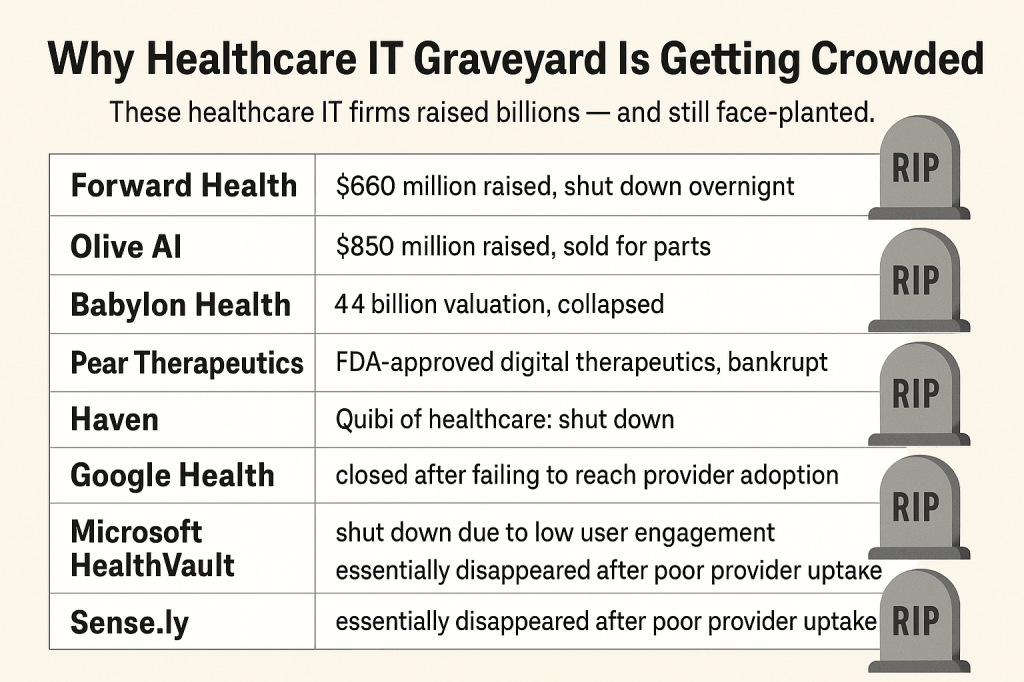
The Graveyard Is Getting Crowded
These aren’t small startups. These were the darlings of global healthcare tech:
- Forward Health – $660M raised, shut down with zero patient transition
- Olive AI – $850M raised, sold for parts after failing to justify ROI
- Babylon Health – $4B valuation, blew up across multiple continents
- Pear Therapeutics – FDA-cleared digital therapeutics, bankrupt
- Quibi of Healthcare: Haven (Amazon–JPM–Berkshire) – shut down despite unlimited resources
- Google Health (v1) – closed after failing to reach provider adoption
- Microsoft HealthVault – shut down due to low user engagement and system complexity
- Sense.ly (AI nurse avatar) – essentially disappeared after poor provider uptake
- 23andMe Therapeutics spinout – quietly scaled back after no viable clinical revenue stream
- Walgreens / Theranos fallout – major proof that hype beats due diligence in this sector
- Proteus Digital Health (smart pill) – raised $500M, then bankrupt
- Practice Fusion – sold for pennies after criminal investigations and failed EHR monetization
- ZocDoc expansion failure – pivoted multiple times after failing to win provider-side economics
- Oscar Health (several failed geographic launches) – struggled due to regulatory economics
- IBM Watson Health – $3B+ investment, divested for $1B after clinical failures
This list is long. And growing.
The Core Misunderstanding: Healthcare Is Not a Tech Problem
Engineering-driven founders consistently misdiagnose the domain.
They believe healthcare = complex workflows + messy data + outdated UI.
Solve that and… success.
But healthcare is not a systems problem.
It is a trust problem wrapped in regulation, economics, and risk.
- Lives are at stake — not convenience.
- Medical decisions require validated evidence — not beta features.
- Clinicians rely on reliability and accountability — not iteration velocity.
- Patients don’t adopt new care models without months or years of trust-building.
Every failed company ignored these constraints.
The Integration Trap: The Silent Killer
This is where most companies die.
Healthcare runs on a brittle spine of EMRs, APIs, and legacy systems.
If you don’t integrate, you don’t exist.
- Forward’s CarePods were genuinely innovative. But without seamless EMR connections, they became operationally useless.
- Olive AI automated tasks internally… but could not standardize ROI across EMRs.
- IBM Watson Health promised AI-driven oncology decisions. But the recommendations were inconsistent with evidence-based guidelines.
The rule:
If you don’t reduce workload inside the existing workflow, clinicians will ignore you.
No integration = no adoption.
No adoption = no revenue.
No revenue = shutdown.

Why Consumer Tech Logic Fails in Healthcare
Tech founders try to import playbooks from SaaS, marketplaces, and fintech:
- “Move fast and break things”
- “Launch MVP, iterate later”
- “Acquire users, figure out monetization later”
- “Data is the new oil”
- “AI will replace inefficiencies”
These logics collapse immediately in healthcare:
- Healthcare data is not clean; 80% is unstructured.
- Interoperability is not an optional feature — it is the foundation.
- Clinicians require evidence, not velocity.
- Patients are not early adopters; they are risk-averse by necessity.
The market punishes anyone who treats healthcare like another consumer vertical.
The Reimbursement Illusion: Where Startups Bleed Out
This is the part Silicon Valley consistently ignores.
In healthcare, value is NOT determined by the end user.
Value is determined by:
- payors
- reimbursement codes
- medical necessity rules
- regulatory status
- clinical outcomes data
A product can delight users and still die if:
- there’s no CPT code
- insurers won’t reimburse
- the product doesn’t reduce provider workload
- there’s no proven cost savings
Olive AI is the textbook example.
Automation sounded brilliant — but if hospitals can’t bill for it, the business collapses.
Pear Therapeutics had FDA clearance, efficacy data, and clinical logic.
Still died because payors refused to reimburse at scale.
Healthcare economics — not innovation — determine survival.
What Actually Works (and Why It Looks “Unsexy”)
The successful products in healthcare are almost never glamorous:
- Automated population stratification
- Scheduling optimization
- Revenue cycle improvements
- Medication adherence
- Secure messaging
- Chronic disease workflows
- Interoperability middleware
- Claims cleaning and fraud detection
Unsexy wins because it integrates, it reduces workload, it fits reimbursement, it avoids clinical risk, and it solves one painful problem extremely well.
The companies that succeed do the following:
- Integrate seamlessly with EMRs
- Prove ROI early
- Reduce clicks, not add them
- Earn clinical champions, not marketing awards
- Build for the system as it is, not the system they wish existed
- Grow slowly but sustainably — not explosively and unsafely
Healthcare rewards evolution, not revolution.
Forward Health’s Shutdown Is the Perfect Case Study
Forward turned off the lights overnight:
- No transition pathway
- Canceled appointments
- Patients left stranded
- Systems turned off immediately
This is what happens when a company:
- optimizes for investor excitement instead of clinical safety
- designs for TechCrunch instead of clinicians
- prioritizes disruption over integration
- treats healthcare as a retail subscription business instead of a regulated service
Patients pay the real cost of these failures.
The Real Pattern Behind Every Healthcare Tech Collapse
Let’s stop pretending these are isolated incidents.
The failures follow the same template:
- Overpromise with polished demos
- Underestimate the complexity of clinical workflows
- Blow capital on growth before solving integration
- Fail to secure reimbursement pathways
- Struggle to prove clinical and financial ROI
- Lose trust from clinicians
- Run out of money
- Collapse suddenly
- Patients and providers are left scrambling
Money and engineering talent are not substitutes for:
- clinical insight
- regulatory design
- healthcare economics
- trust-building
- real-world workflow alignment
The Hard Truth
Healthcare rewards reliability over innovation.
Simple solutions outperform brilliant ones.
Integration beats disruption every time.
I’ve watched billion-dollar firms fail and small scrappy teams succeed.
The winners understood healthcare is a trust-based, evidence-driven system.
The losers thought they could brute force the market with capital and code.
They were wrong.
Your Turn
What healthcare product promised everything and delivered nothing?
If you wanna share your experiences, you can find me online in all your favorite places LinkedIn and Facebook. Shoot me a DM, a tweet, a comment, or whatever works best for you. I’ll be the one trying to figure out how to read books and get better at playing ping pong at the same time.





























 It starts with a routine, not only for kids but also for us parents. Creating a schedule with a daily routine can be an effective way to tackle anxiety. This would make the kids feel at ease, safer and more relaxed.















 There is a common misperception that it’s only men who step out on their partners and that women are always faithful. To that, I say: Who are all these men cheating with exactly? Do heterosexual men only cheat with single women and each other?
 they’re not getting it at home, or it’s not enjoyable to them, for whatever reason, they may well seek it elsewhere.A relationship that lacks sexual intimacy is as good as dead to a woman. This is mostly true in a relationship that previously enjoyed a vibrant sex life only for situations to end up reducing and completely killing intimacy.
 She Stops Caring. Women are wired to care about the smallest details about their men and relationships. She cares how many times you call and whether you make time for her. She gets angry with you when you forget those important dates in your relationship and will make a big fuss about it. So when your lady stops caring that you didn’t call and when she doesn’t throw a fit that you forgot all your special dates, then you have cause to worry.
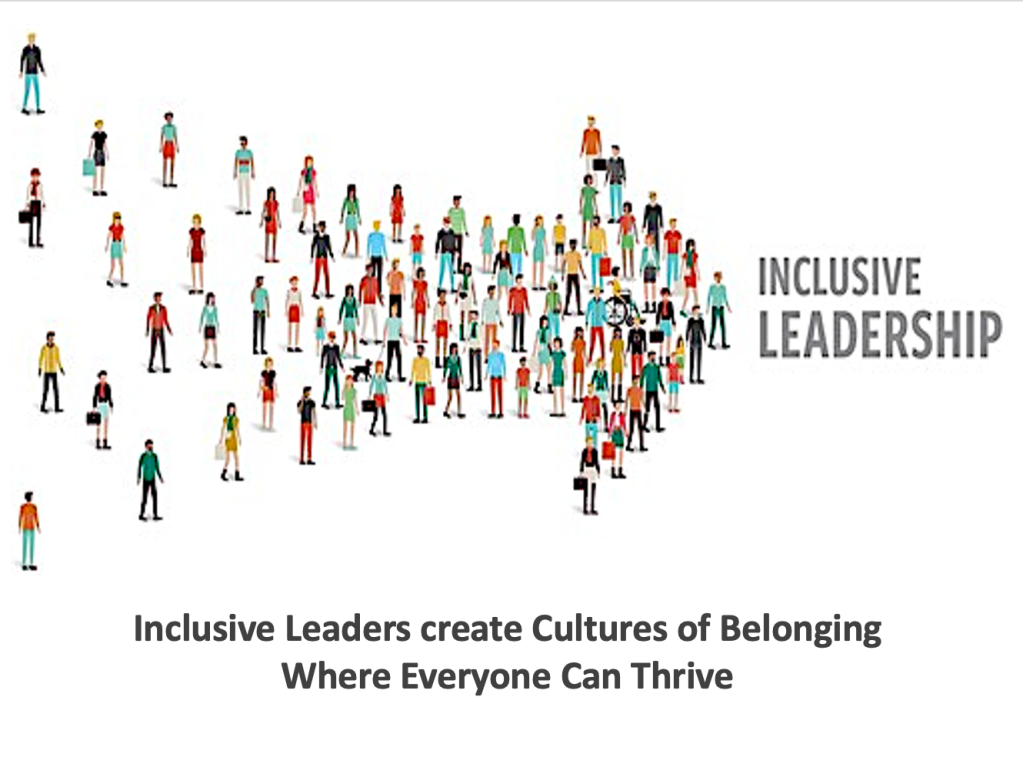
 Inspiring and Motivating with his ideas, behavior, way he foresees the things, moves and Personality. His words brings the change in environment and inspires team. Mayank, is such a person who takes a little more than his share of the blame and a little less than his share of the credit. All the time he displays courage and goes to bat for the people by sending a message that Teams success and achievement is his priority. He wins both respect and loyalty of the team members. He believes in one thing “When the team succeeds, so do you.”
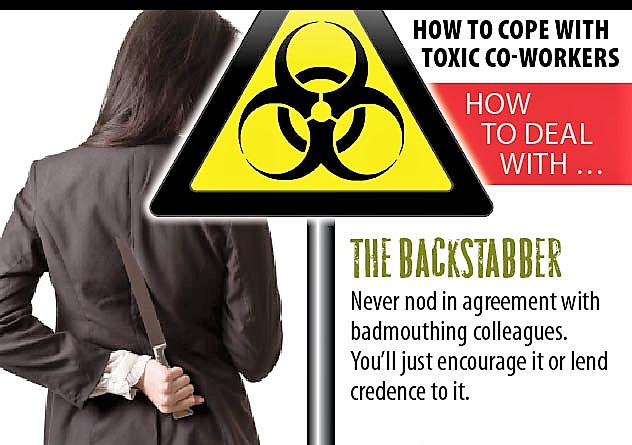
 Yet interestingly, in my work environment, people who don’t own this mindset get promoted into leadership positions every day, and it’s quite possible that you’ve encountered or heard about such types in your career. These are those stereotypical sorts of leaders who care more about winning the political favor of their superiors than the respect of the people they’re assigned to lead. Self-serving and ego centric, these types of leaders quickly offend and fail to earn the trust of their people, making enemies rather than supporters of their teammates. There are many Leads/Managers, who could always throw team to the wolves. But there are a lot of managers out there who seem to think that’s the clever option, the right choice. What do you think? I’ve worked for and with some, and believe me they quickly lose staff.
 Thoughts To Inspire