Each minute of our life is a lesson but most of us fail to read it. I thought I would just add my daily lessons & the lessons that I learned by seeing the people around here. So it may be useful for you and as memories for me.
The COVID-19 pandemic accelerated the convergence of several trends in the health care industry. In UK leading health systems view digital transformation as a way to become more consumer-friendly while simultaneously changing their operations, culture, and use of technology.
Health systems consider digital capabilities a path to fundamentally transform their relationship with consumers. Digital technologies have the potential to transform people’s health care and their experiences in consuming various PFS services – the biggest benefits being streamlining and efficiency.
The healthcare industry is both large and very tightly regulated to protect healthcare data. The result is that getting healthcare tools, applications approved for NHS systems integration means jumping through many hoops. In 2021 getting any new Healthcare app or service approved by the NHS is complicated. Firstly, because patient data must be protected, and secondly because there are so many people and services involved in the NHS that it can’t move as quickly it wants. The situation is further confused because responsibilities for the use of digital technology in the NHS is split between NHS England, NHS Digital, the Department of Health and Social Care, as well as others.
What the IM1 Pairing Integration is?
The IM1 Pairing Integration (IM1) is a technical tool and process that allows digital suppliers to directly talk to GP clinical systems (supplied by EMIS, Vision, TPP), both reading data from the systems and putting data into the systems.
In simple terms it is a process that allows suppliers to integrate their system with any principal clinical system through an interface mechanism. It supports system standards and interoperability within local organisations and across local health and social care communities. You can find more information about each of the IM1 interfaces by downloading a copy of the interface mechanism fact sheet.
IM1 pairing standards can help integration with NHS Patient Facing Services. It also is a technical tool and process that allows digital suppliers to directly talk to GP clinical systems, both reading data from the systems and putting data into the systems.
NHS provides APIs to access various data resources, including:
- Data held in GP systems
- Data held in the Spine
The main challenge for app developers remains the minefield of standards and compliance that needs to be navigated for a new app to be successfully deployed .

Any consuming supplier can apply to ‘pair’ their service with any provider supplier system, but there are a number of prerequisites set out by NHS Digital that they must meet in order to be deemed compatible.
Following API standards support the integration of your systems with any principal clinical GP system using IM1. The API standards enable your system to access GP practice systems to perform following actions:
- read patient information
- extract information in bulk
- enter data into your system
Start the IM1 Integration Journey:
After working with different Healthcare service provides on various roles as Quality Control Manager, Delivery Manager, Scrum Master and Operations Lead in last 15 years, I gained good Healthcare domain knowledge and also gained understanding and knowledge on IM1 Integration process and the steps involved in total implementation journey.
From my personal experience, the process is very robust, and for that reason can be incredibly frustrating and demotivating for many teams.. Adding in the complexity of different requirements from the separate clinical systems providers (EMIS, Tpp, Vision etc) , it can be a very demanding process.
The process for integrating with IM1 is pretty well documented by NHS team which you can find on their official website. Any consuming supplier can apply to ‘pair’ their service with any provider supplier system, but there are a number of prerequisites set out by NHS Digital that they must meet in order to be deemed compatible.
The IM1 Integration starts with IM1 prerequisites form. Next step is mapping out what you’re trying to achieve, which is then transposed over to a SCAL (Supplier Conformance Assessment List). To establish clinical safety prerequisites are in place and confirmation that you can commit to information governance prerequisites in order to progress the onboarding process.
Once your product has been deemed compatible, you’ll be asked to complete a Model Interface Licence with each of the provider suppliers, giving you access to a test environment using the unique provider supplier guidance.

The SCAL is used as the basis to communicate with NHS Digital, and outlines your product, with details of clinical and information governance (IG) use cases. NHS Digital then assesses whether your product is compatible with the IM1 API, and if so you are given access to an unsupported test environment to begin development.
After development has completed in the unsupported test environment, you are given access to the supported environment, where you are able to agree the assurance approach with the clinical system providers before proceeding to the assurance stage.
Each clinical system provider has their own requirements for assurance, with differing levels of test cases and auditing requirements. Upon agreeing a date with each provider, we booked in for witness testing and presented the required test cases and information to each separately.
From that point, the provider signs off assurance from their perspective, then NHS Digital does assurance on their end which involves differing levels of sign off in relation to information governance and clinical safety.
Once NHS Digital has signed off the assurance, a recommendation to connect notice is sent across to the clinical system provider and arrangements are made to move across to the live environment.
Integration pairings
In order to join the list of assured suppliers, your product will need to ‘pair’ with one of the following specific APIs for each GP practice system supplier:
- Patient API: this API allows patients or an authorised representative to book, request, view, amend and cancel appointments or repeat prescriptions, and allows patients to communicate with GP practices directly.
- view available appointments
- book an appointment
- amend or cancel an appointment
- view their repeat medication
- request a repeat prescription
- amend or cancel a prescription request
- view their medical record
- communicate with the GP practice
- Transaction API: with the patient and GP practice system’s permission, this API gives medical professionals access to a whole host of real-time information, ranging from retrieving attachments from a patient’s medical records to creating a new consultation record.
- search for a patient
- retrieve and update patient demographics
- retrieve a full patient medical record
- file data to a patient record
- retrieve a patient consultation record
- create a new patient consultation record
- add a document or attachment to a consultation record
- retrieve documents from a patient Record
- file documents into a patient record
- retrieve an attachment from the patient’s medical record.
- retrieve a list of all the attachments residing in the patient’s medical record
- retrieve a list of patients whose registration details have changed
- retrieve the list of active users from a given organisation
- delete data from a patient’s record
- retrieve appointment slots
- access diary information
- query details of free slots in the appointment book
- extract CSV files
- Bulk API: once GP practice consent has been obtained, this API empowers your application to gain daily, weekly or monthly extracts of bulk data feeds of patient or clinical system user data. The mechanisms for delivery of data will vary by system supplier.
- Partner API: similar to the Transaction API, this API offers more up to date information about patients that may have changed since the last query was made e.g. age, sex or the status of an appointment. This API is only applicable with the EMIS Web GP module and to practices based within England. Note that the EMIS Community module is not available currently via IM1.
- a single patient demographic and medical record
- a list of patients – for example, for finding or searching for patients
- a list of patients with appointments booked
- a list of patients to update, and age or sex register output
- information about the organisation or users
- a list of patient registration details for patients that have changed since the last query
- appointment and appointment configuration information
- retrieval of documents from a patient record
- filing of documents into a patient record
- retrieval of an attachment from a patient’s medical record
- retrieval of a list of all the attachments in a patient’s medical record
- booking and cancellation of appointments
- setting an appointment’s status
- viewing a patient’s arrived and sent-in status
All the above information is gathered from various reliable Healthcare sites and from the my experience as a Agile Delivery Manager by working for various clients.
There are many challenges to building a software solution for the healthcare sector. Any application requiring NHS integration must meet strict NHS digital technical healthcare standards to gain compliance and approval. Any error in assuring the product during the onboarding process can result in costly delays.
Before beginning the integration process, you will need to formulate a realistic project plan and understand if this is something your customers are happy to pay for. This process can take several months to a year or more, so the investment is high and the thresholds for sign-off are tough, understandably so. Make sure your project team is heavy in good communicators, technical knowledge (ideally with health expertise), and those who are adaptable and can pivot if needed.
I hope you have found the information helpful for starting your journey with the IM1 framework. Good luck 🍀
Some Important links and references:
https://digital.nhs.uk/services/api-platform
https://developer.nhs.uk/apis/gpconnect-0-5-3/index.html
https://6b.digital/insights/what-is-nhs-im1-interface-mechanism
https://gpitbjss.atlassian.net/wiki/spaces/DCSDCS/overview?homepageId=11995152703
https://digital.nhs.uk/developer/api-catalogue/interface-mechanism-1-standards
https://digital.nhs.uk/services/gp-it-futures-systems/im1-pairing-integration#process
https://github.com/NHSDigital/nhs-app-sample-web-integration
https://github.com/NHSDigital/nhs-app-api
If you wanna share your experiences, you can find me online in all your favorite places LinkedIn and Facebook. Shoot me a DM, a tweet, a comment, or whatever works best for you. I’ll be the one trying to figure out how to read books and get better at playing ping pong at the same time.























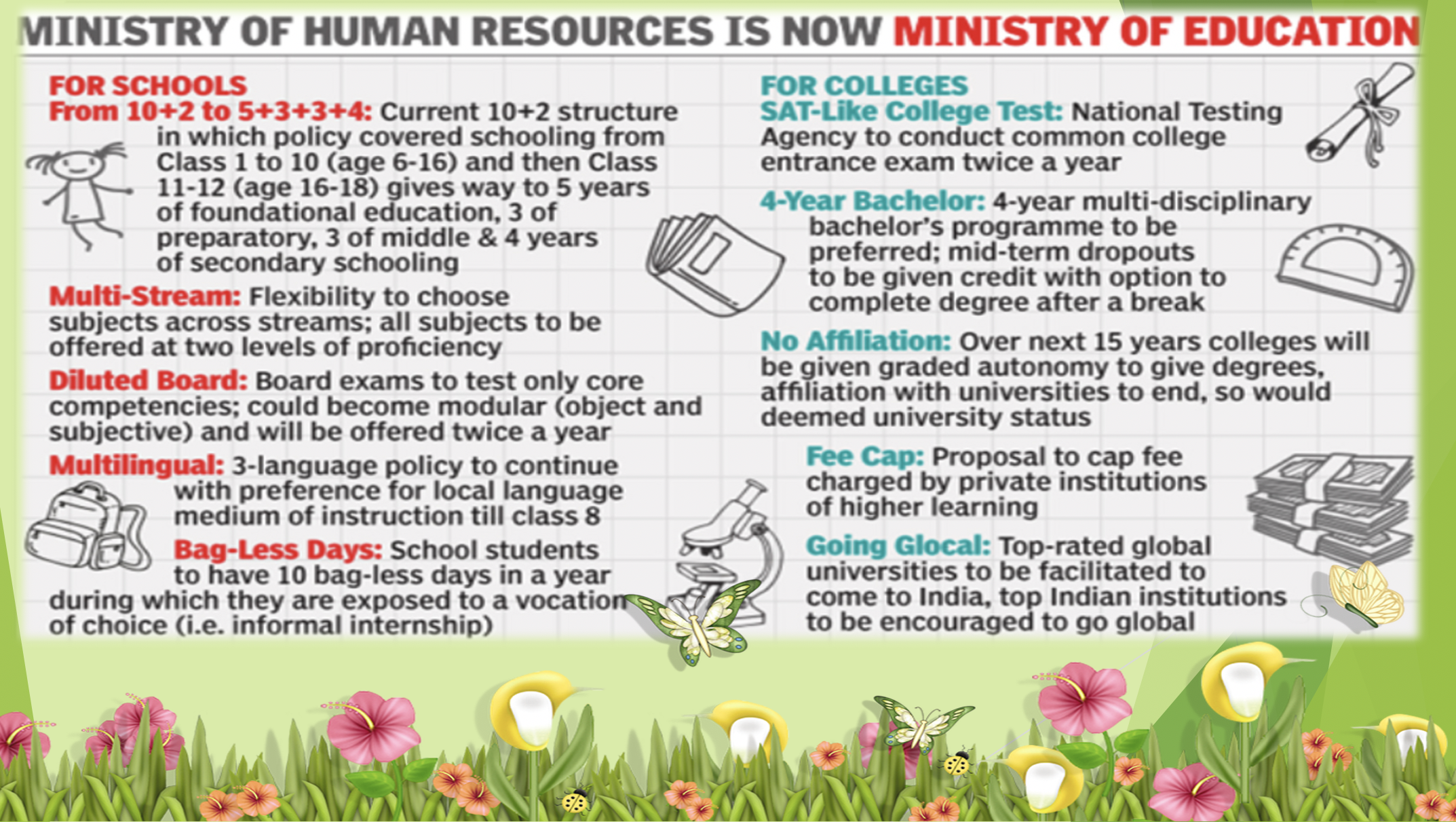
 The Government had initiated the process of formulating a New Education Policy. As a part of this, The Union Cabinet chaired by the Prime Minister has approved the National Education Policy 2020, making way for large scale, transformational reforms in both school and higher education sectors. This is the first education policy of the 21st century and replaces the 34 year old National Policy on Education (NPE), 1986. Built on the foundational pillars of access, equity, quality, affordability and accountability, this policy is aligned to the 2030 Agenda for Sustainable Development and aims to transform India into a vibrant knowledge society and global knowledge superpower by making both school and college education more holistic, flexible, multidisciplinary, suited to 21st century needs and aimed at bringing out the unique capabilities of each student.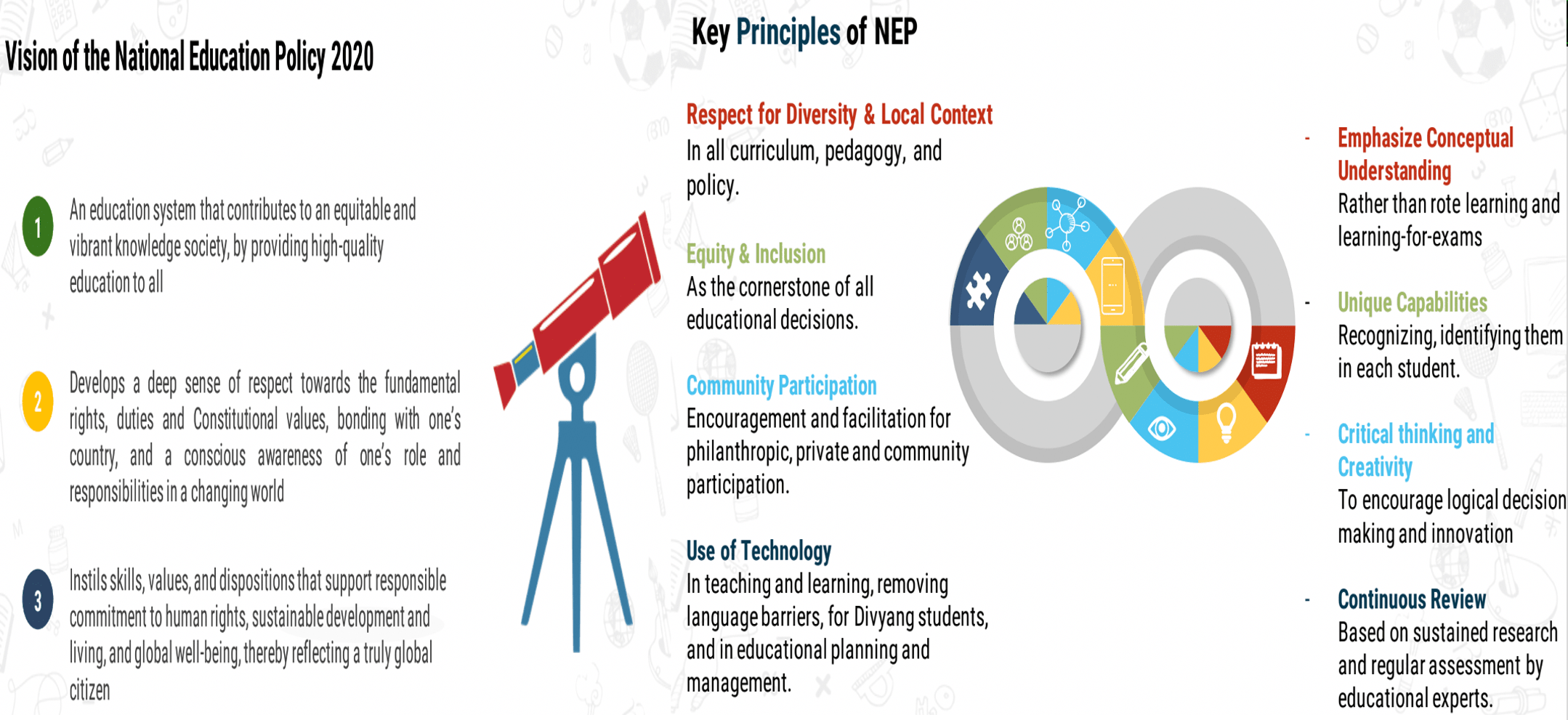








 It starts with a routine, not only for kids but also for us parents. Creating a schedule with a daily routine can be an effective way to tackle anxiety. This would make the kids feel at ease, safer and more relaxed.



































 .
.

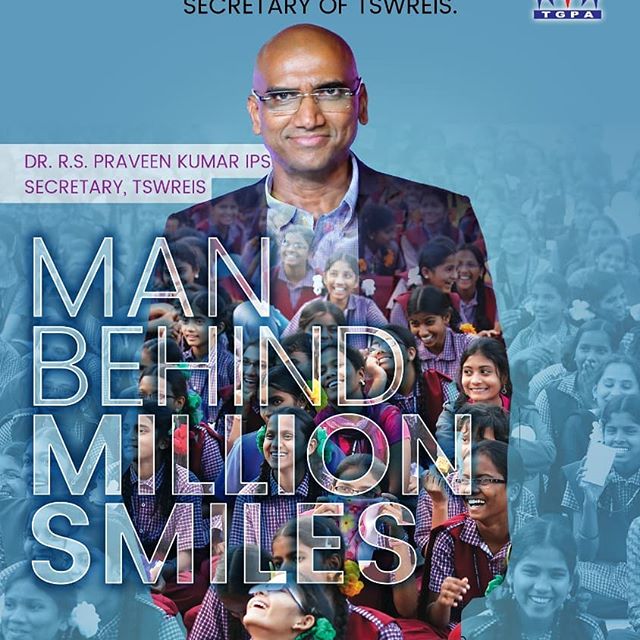


 bicycle. Its a very very special journey from a village kid who is Milk Vendor( person who used to sell MILK by going to each house) to Quality Control Manager in London, developing teams, implementing effective QA Practices. Its true. I never feel shy to say where I started and where are my roots are. By considering my current position or traits or appearance, many assume that I am from a High end family, who´s born with Silver spoon. Which is not correct. In each step of my Life I faced obstacles, hurdles, ill-treatments from society for being born in low class, caste family, but I let nothing to distract me from reaching my goals.
 2019 Bathukamma Sambaralu, organized by the Telangana/Telugu Association of Germany (TAG) recently helped many families to unite and created a wonderful family environment. Similar programs were organized at Dallas, Houston, Washington DC, Raleigh in North Carolina, Los Angeles, Dubai, Sydney, Melbourne and other places across world.
 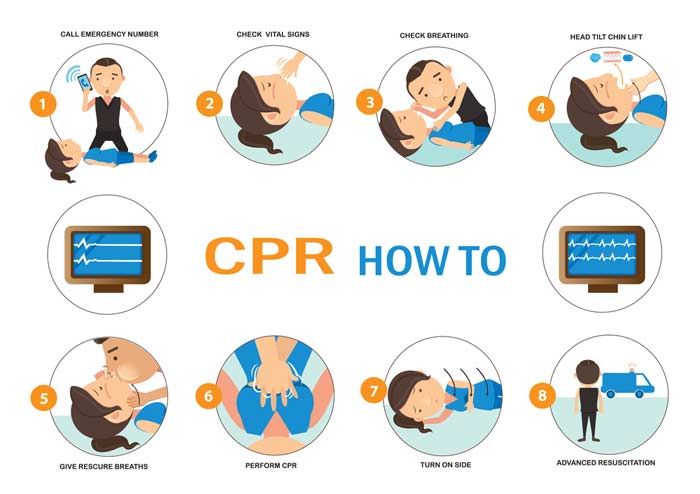 increasingly common across world. The statistics are indeed worrying; 50% of all the heart attacks in Indians occur under 50 years of age and a quarter of all the heart attacks in Indians occur under 40 years of age, according to the data available with Indian Heart Association.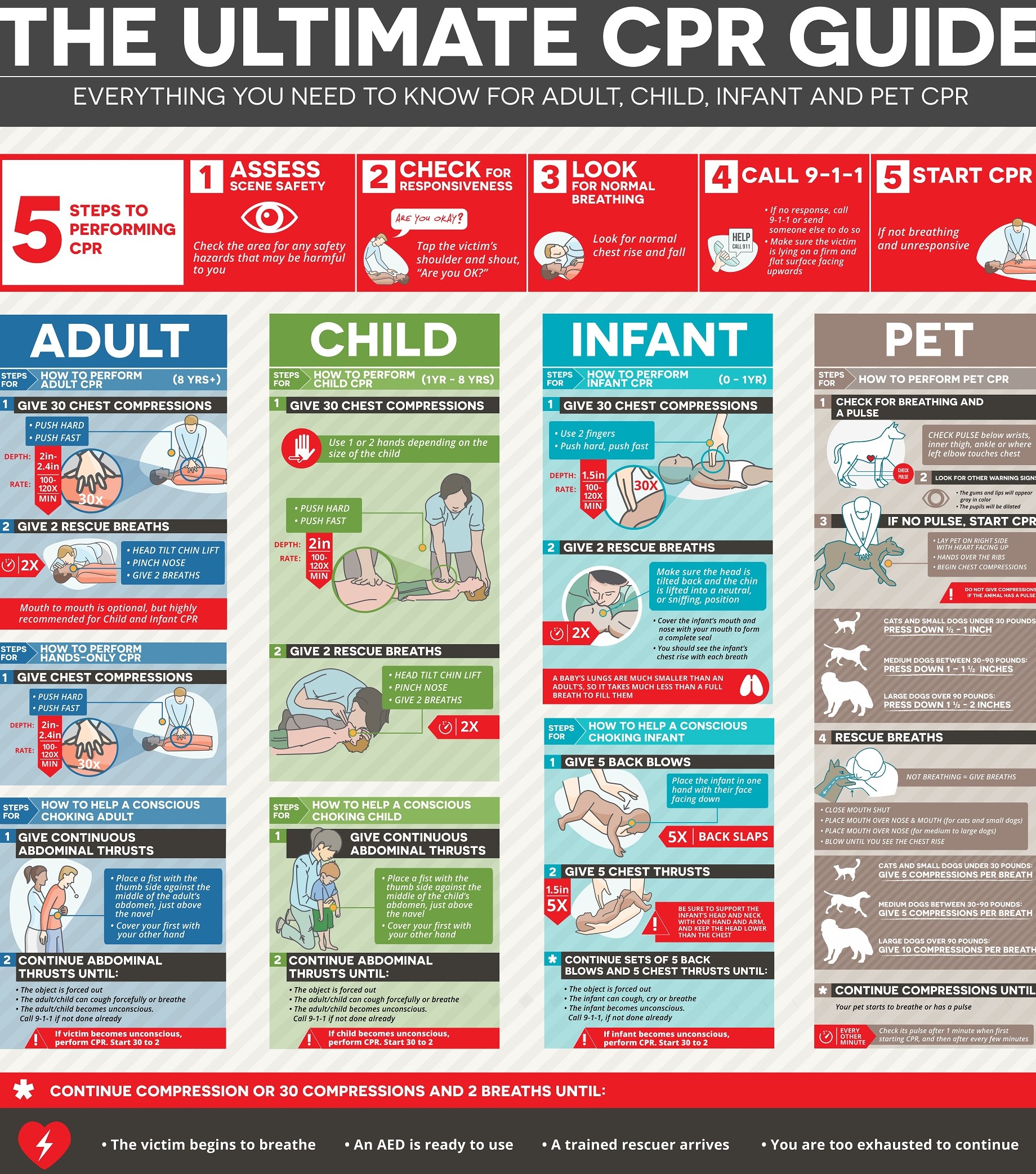

 7) Self-pity. We need to stop the pity party. If we do not stay strong, we will be squashed. We are all we have!

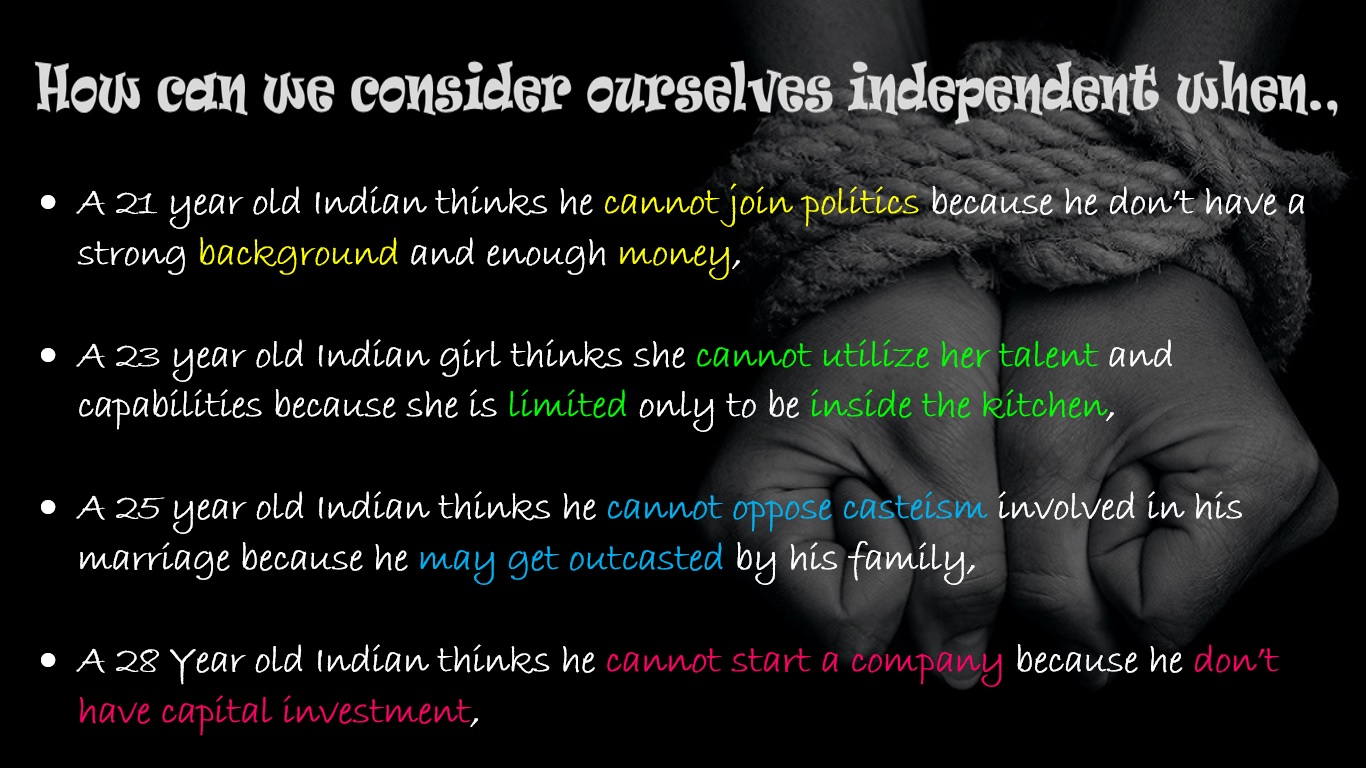 ve in prescribed ways. Conformity in everything is the sum and substance of their identities. Their freedom is the freedom of the reflex action; it is the freedom of the knee to jerk. This is not freedom.
 The fact that you have failed is proof that you are not finished. Failures and mistakes can be a bridge, not a barricade to success. It is not how far you fall but how high you bounce that makes all the difference. “You may have to fight a battle more than once to win it”. Your success will be measured by your willingness to keep on trying. Have the courage to rise each time you fall, you can either stand up and be counted or lie down and be counted out. Success consists of getting up just one time more than you fall down.
 Thoughts To Inspire
Each minute of our life is a lesson but most of us fail to read it. I thought I would just add my daily lessons & the lessons that I learned by seeing the people around here. So it may be useful for you and as memories for me.
When a new day begins, dare to smile gratefully.
When there is darkness, dare to be the first to shine a light.
When there is injustice, dare to be the first to condemn it.
When something seems difficult, dare to do it anyway.
When life seems to beat you down, dare to fight back.
When there seems to be no hope, dare to find some.
When you’re feeling tired, dare to keep going.
When times are tough, dare to be tougher.
When love hurts you, dare to love again.
When someone is hurting, dare to help them heal.
When another is lost, dare to help them find the way.
When a friend falls, dare to be the first to extend a hand.
When you cross paths with another, dare to make them smile.
When you feel great, dare to help someone else feel great too.
When the day has ended, dare to feel as you’ve done your best.
Dare to be the best you can – At all times, Dare to be!”
“¯`✻´¯) DARE TO BE YOU ✶♪✻ღ*✿ `*.¸.*✻ღღ.¸¸.✫*¨`*✶♪¸.✻ღ