Education is an important aspect of our lives, while some of us take it for granted, there are others who crave and struggle to get it. Education is one of the most powerful things in life. It allows us to find the meaning behind everything and helps improve lives in a massive way. Education is important because it broadens our knowledge, and this knowledge then opens our minds to new perspectives, ideas, beliefs, and cultures.
Education is not just about spoon feeding but about inspiring them to think out of the box and foresee a better future. It is all about how to apply it in real life to change the world for a better cause. Irrespective of race, creed, and gender, education makes it possible for people to stand out as equal with all the other persons from different walks of life. Education enhances our perspective on the world. Enriching our brains with new and valuable information improves our ability to think, analyze, and process the world around us.
The Indian National Education Policy was framed in 1986 and modified in 1992. More than three decades have passed since previous Policy. During this period significant changes have taken place in our country, society economy, and the world at large. The biggest relief for the millions of students and parents in the new national education policy is the announcement to make the board exams of class 10th and 12th easy. Students are always under pressure regarding board exams and depend on coaching to get more marks. But in the future, they can get freedom from it.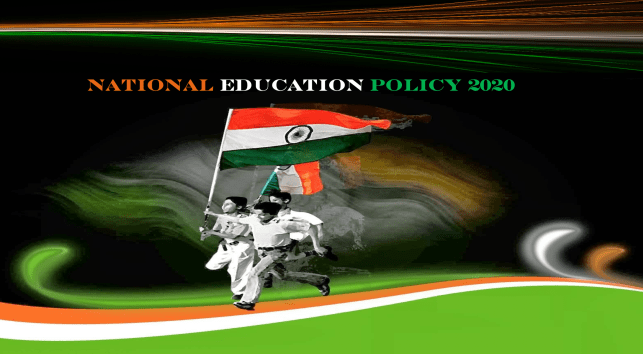 The Government had initiated the process of formulating a New Education Policy. As a part of this, The Union Cabinet chaired by the Prime Minister has approved the National Education Policy 2020, making way for large scale, transformational reforms in both school and higher education sectors. This is the first education policy of the 21st century and replaces the 34 year old National Policy on Education (NPE), 1986. Built on the foundational pillars of access, equity, quality, affordability and accountability, this policy is aligned to the 2030 Agenda for Sustainable Development and aims to transform India into a vibrant knowledge society and global knowledge superpower by making both school and college education more holistic, flexible, multidisciplinary, suited to 21st century needs and aimed at bringing out the unique capabilities of each student.
New Education Policy 2020 HIGHLIGHTS:
- Early Childhood Care & Education with new curricular and pedagogical structure:
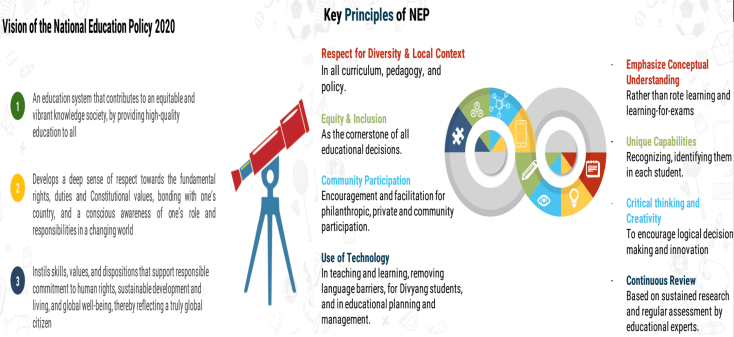
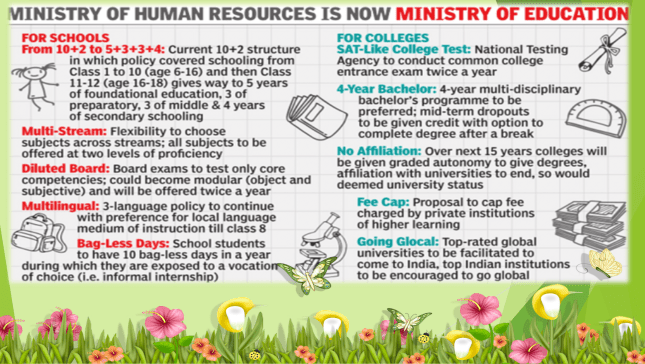
- With emphasis on Early Childhood Care and Education, the 10+2 structure of school curricula is to be replaced by a 5+3+3+4 curricular structure corresponding to ages 3-8, 8-11, 11-14, and 14-18 years respectively. This will bring the hitherto uncovered age group of 3-6 years under school curriculum, which has been recognized globally as the crucial stage for development of mental faculties of a child.
- The new system will have 12 years of schooling with three years of anganwadi/ preschooling.
- NCERT will develop a National Curricular and Pedagogical Framework for Early Childhood Care and Education (NCPFECCE) for children up to the age of 8.
- ECCE will be delivered through a significantly expanded and strengthened system of institutions including anganwadis and preschools that will have teachers and anganwadi workers trained in the ECCE pedagogy and curriculum.
- The planning and implementation of ECCE will be carried out jointly by the Ministries of HRD, Women and Child Development (WCD), Health and Family Welfare (HFW), and Tribal Affairs.
- Ensuring Universal Access at all levels of school education, through following measures:
- NEP 2020 emphasizes on ensuring universal access to school education at all levels-pre school to secondary.
- Infrastructure support, innovative education centres to bring back dropouts into the mainstream.
- Tracking of students and their learning levels, facilitating multiple pathways to learning involving both formal and non-formal education modes.
- Association of counselors or well-trained social workers with schools.
- Open learning for class 3, 5 and 8 through NIOS and State Open Schools.
- Secondary education programs equivalent to Grades 10 and 12, vocational courses, adult literacy and life-enrichment programs.
- About 2 crore out of school children will be brought back into mainstream under NEP 2020.
- Reforms in school curricula and pedagogy:
- Students will have increased flexibility and choice of subjects. There will be no rigid separations between arts and sciences, between curricular and extracurricular activities, between vocational and academic streams.
- Vocational education will start in schools from the 6th grade, and will include internships. A new and comprehensive National Curricular Framework for School Education, NCFSE 2020-21, will be developed by the NCERT.
- Multilingualism and the power of language:
- The policy has emphasized mother tongue/ local language/ regional language as the medium of instruction at least till Grade 5, but preferably till Grade 8 and beyond.
- Sanskrit to be offered at all levels of school and higher education as an option for students, including in the three-language formula. Other classical languages and literature of India also to be available as options.
- No language will be imposed on any student. Several foreign languages will also be offered at the secondary level. Indian Sign Language (ISL) will be standardized across the country, and national and state curriculum materials developed, for use by students with hearing impairment.
- Assessment Reforms:
- NEP 2020 envisages a shift from summative assessment to regular and formative assessment. All students will take school examinations in Grades 3, 5, and 8 which will be conducted by the appropriate authority.
- Board exams for Grades 10 and 12 will be continued, but redesigned with holistic development as the aim. A new National Assessment Centre, PARAKH (Performance Assessment, Review, and Analysis of Knowledge for Holistic Development), will be set up as a standard-setting body.
- Equitable and Inclusive Education:
- Special emphasis will be given on Socially and Economically Disadvantaged Groups (SEDGs) which include gender, socio-cultural, and geographical identities and disabilities. This includes setting up of a Gender Inclusion Fund and also Special Education Zones for disadvantaged regions and groups.
- Children with disabilities will be enabled to fully participate in the regular schooling process from the foundational stage to higher education, with support of educators with cross disability training, resource centres, accommodations, assistive devices, appropriate technology-based tools and other support mechanisms tailored to suit their needs.
- Every state/ district will be encouraged to establish Bal Bhavans as a special daytime boarding school, to participate in art-related, career-related, and play-related activities. Free school infrastructure can be used as Samajik Chetna Kendras.
- Standard setting and accreditation for school education:
- NEP 2020 envisages clear, separate systems for policy making, regulation, operations and academic matters. States/UTs will set up an independent State School Standards Authority (SSSA).
- Transparent public self-disclosure of all the basic regulatory information, as laid down by the SSSA, will be used extensively for public oversight and accountability. The SCERT will develop a School Quality Assessment and Accreditation Framework (SQAAF) through consultations with all stakeholders.
- Further, schools can be organized into complexes or clusters which will be the basic unit of governance and ensure availability of all resources including infrastructure, academic libraries and a strong professional teacher community.
- Higher Education:
- The policy envisages broad based, multi-disciplinary, holistic undergraduate education with flexible curricula, creative combinations of subjects, integration of vocational education and multiple entry and exit points with appropriate certification.
- UG education can be of 3 or 4 years with multiple exit options and appropriate certification within this period. For example, Certificate after 1 year, Advanced Diploma after 2 years, Bachelor’s Degree after 3 years and Bachelor’s with Research after 4 years.
- An academic bank of credit is to be established for digitally storing academic credits earned from different HEIs so that these can be transferred and counted towards the final degree earned.
- Regulation:
- Higher Education Commission of India (HECI) will be set up as a single overarching umbrella body for the entire higher education, excluding medical and legal education.
- HECI to have four independent verticals: National Higher Education Regulatory Council (NHERC) for regulation, General Education Council (GEC ) for standard setting, Higher Education Grants Council (HEGC) for funding, and National Accreditation Council ( NAC) for accreditation.
- HECI will function through faceless intervention through technology, and will have powers to penalise HEIs not conforming to norms and standards. Public and private higher education institutions will be governed by the same set of norms for regulation, accreditation and academic standards.
- The definition of university will allow a spectrum of institutions that range from research-intensive universities to teaching-intensive universities and autonomous degree-granting colleges.
- Affiliation of colleges is to be phased out in 15 years and a stage-wise mechanism is to be established for granting graded autonomy to colleges. Over a period of time, it is envisaged that every college would develop into either an autonomous degree-granting college, or a constituent college of a university.
- Teacher Education:
- A new and comprehensive National Curriculum Framework for Teacher Education, NCFTE 2021, will be formulated by the NCTE in consultation with NCERT. By 2030, the minimum degree qualification for teaching will be a 4-year integrated B.Ed. degree. Stringent action will be taken against substandard stand-alone Teacher Education Institutions (TEIs).
- A national mission for mentoring will be established, with a large pool of outstanding senior/ retired faculty, including those with the ability to teach in Indian languages, who would be willing to provide short and long-term mentoring/ professional support to university/ college teachers.
- Online Education and Digital Education:
- A comprehensive set of recommendations for promoting online education consequent to the recent rise in epidemics and pandemics in order to ensure preparedness with alternative modes of quality education whenever and wherever traditional and in-person modes of education are not possible, has been covered.
- A dedicated unit for the purpose of orchestrating the building of digital infrastructure, digital content and capacity building will be created in the MHRD to look after the e-education needs of both school and higher education.
- An autonomous body, the National Educational Technology Forum (NETF), will be created to provide a platform for the free exchange of ideas on the use of technology to enhance learning, assessment, planning, administration. Appropriate integration of technology into all levels of education will be done.
- Promotion of Indian languages
- To ensure the preservation, growth, and vibrancy of all Indian languages, NEP recommends setting an Indian Institute of Translation and Interpretation (IITI), National Institute (or Institutes) for Pali, Persian and Prakrit, strengthening of Sanskrit and all language departments in HEIs, and use mother tongue/ local language as a medium of instruction in more HEI programmes .
Download New Education Policy 2020 Download NEP 2020 Pdf
References: MHRD, ManifestIAS, TOI
Education isn’t just about learning maths or science at school. It’s about gaining the knowledge and the skills needed to better ourselves and the world we live in. Now we can hope our education system will be at par with modern countries and future of our children will be bright.
Please feel free to share your story and any lessons you learned, you experienced, you came across in your life in the comments below. If you enjoyed this, or any other other posts, I’d be honoured if you’d share it with your family, friends and followers!
If you wish to follow my journey outside of my writing, you can find me on Facebook (Link) Instagram(MunnaPrawin) and LinkedIn Link







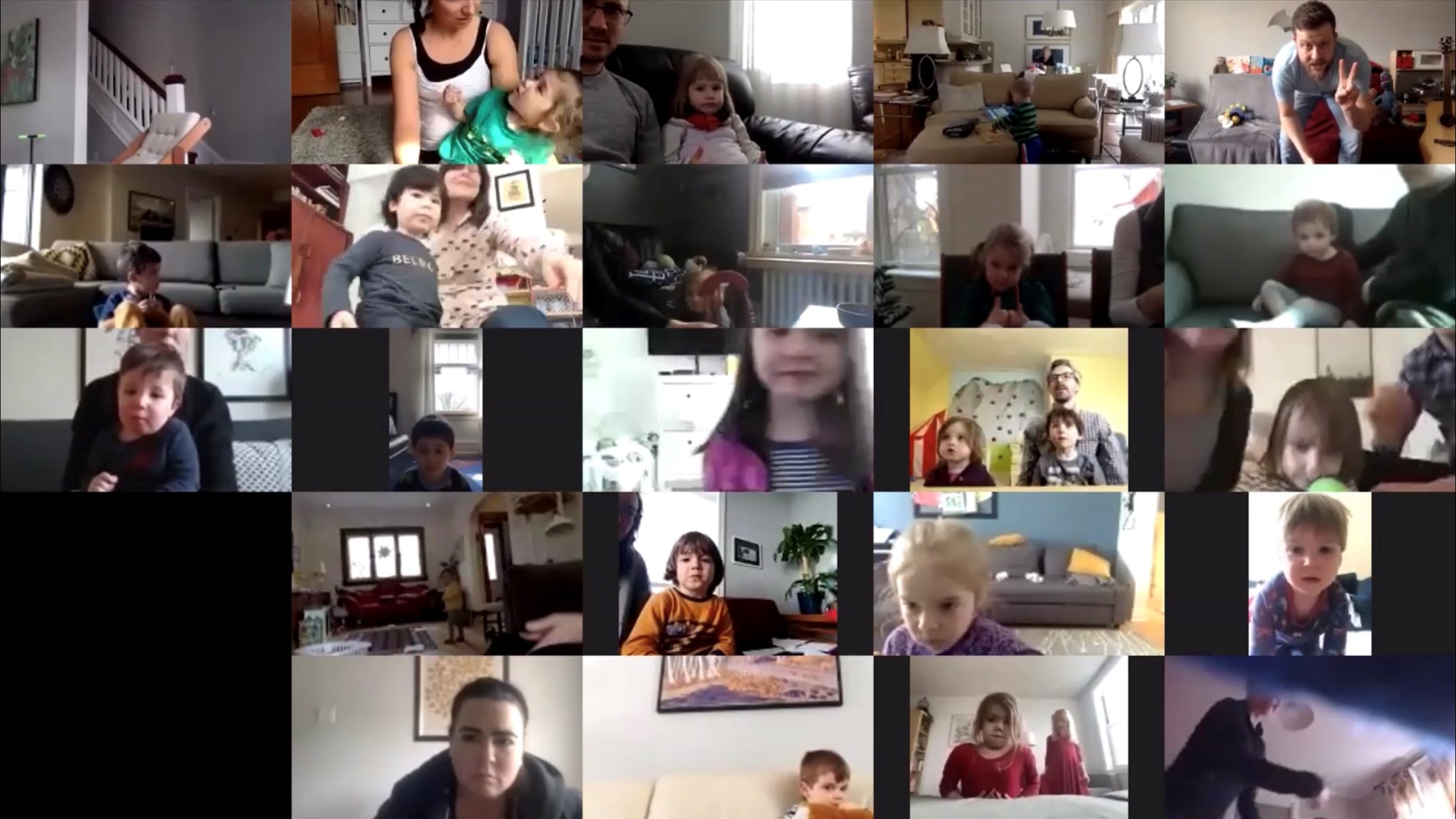
 It starts with a routine, not only for kids but also for us parents. Creating a schedule with a daily routine can be an effective way to tackle anxiety. This would make the kids feel at ease, safer and more relaxed.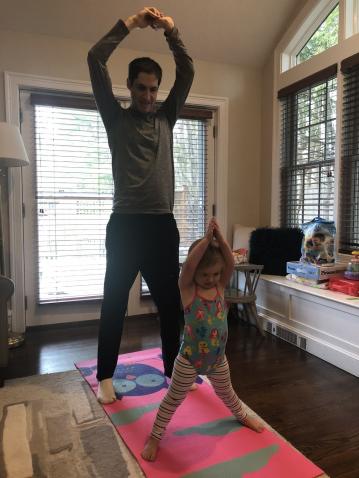



























 bicycle. Its a very very special journey from a village kid who is Milk Vendor( person who used to sell MILK by going to each house) to Quality Control Manager in London, developing teams, implementing effective QA Practices. Its true. I never feel shy to say where I started and where are my roots are. By considering my current position or traits or appearance, many assume that I am from a High end family, who´s born with Silver spoon. Which is not correct. In each step of my Life I faced obstacles, hurdles, ill-treatments from society for being born in low class, caste family, but I let nothing to distract me from reaching my goals.
 2019 Bathukamma Sambaralu, organized by the Telangana/Telugu Association of Germany (TAG) recently helped many families to unite and created a wonderful family environment. Similar programs were organized at Dallas, Houston, Washington DC, Raleigh in North Carolina, Los Angeles, Dubai, Sydney, Melbourne and other places across world.
 7) Self-pity. We need to stop the pity party. If we do not stay strong, we will be squashed. We are all we have!

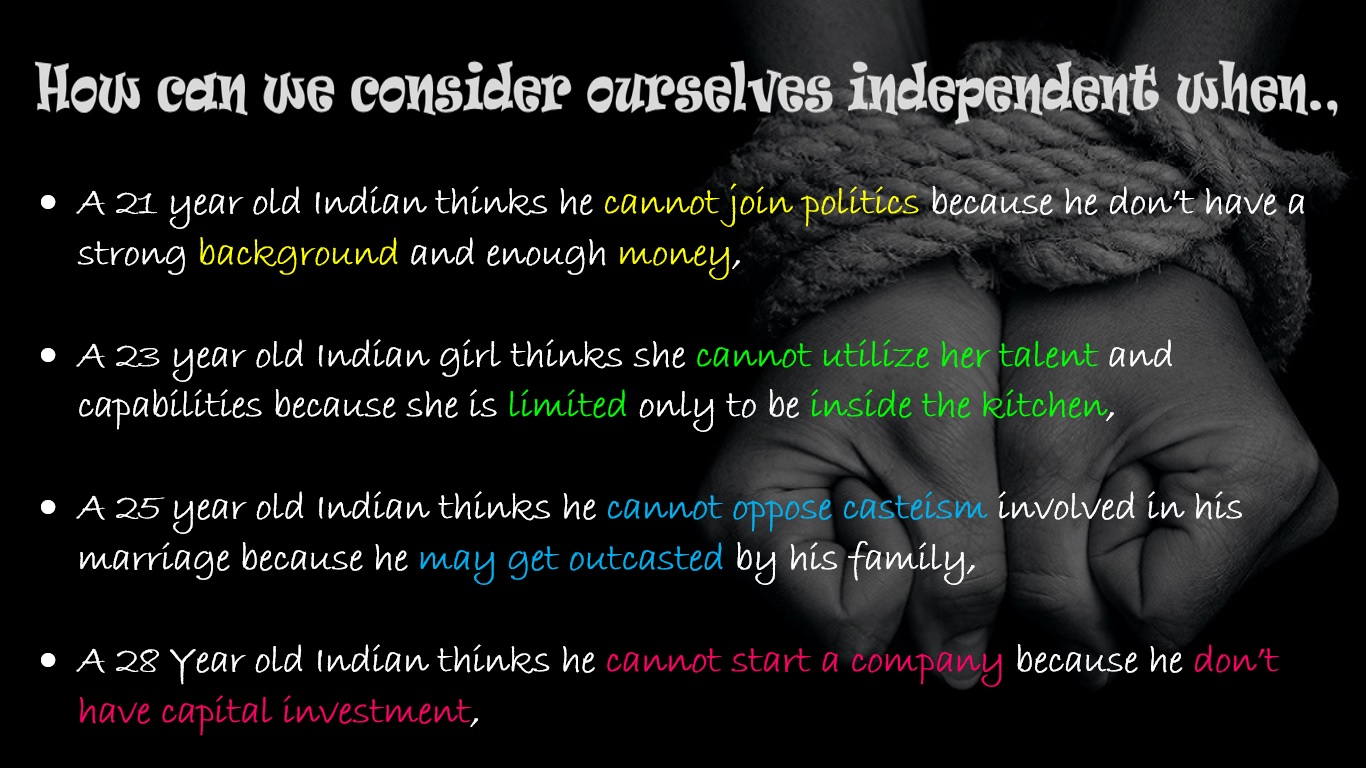 ve in prescribed ways. Conformity in everything is the sum and substance of their identities. Their freedom is the freedom of the reflex action; it is the freedom of the knee to jerk. This is not freedom.
 The fact that you have failed is proof that you are not finished. Failures and mistakes can be a bridge, not a barricade to success. It is not how far you fall but how high you bounce that makes all the difference. “You may have to fight a battle more than once to win it”. Your success will be measured by your willingness to keep on trying. Have the courage to rise each time you fall, you can either stand up and be counted or lie down and be counted out. Success consists of getting up just one time more than you fall down.
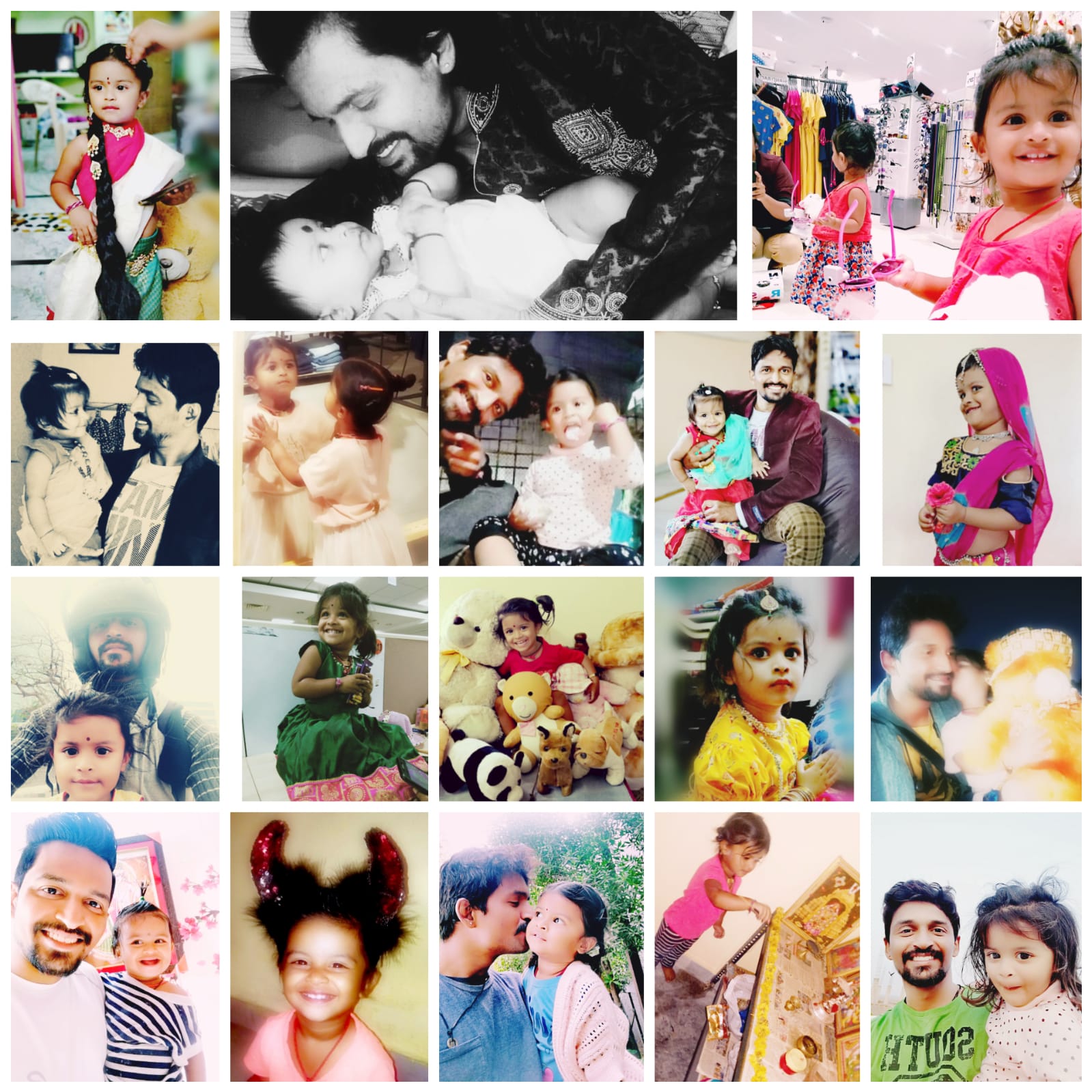
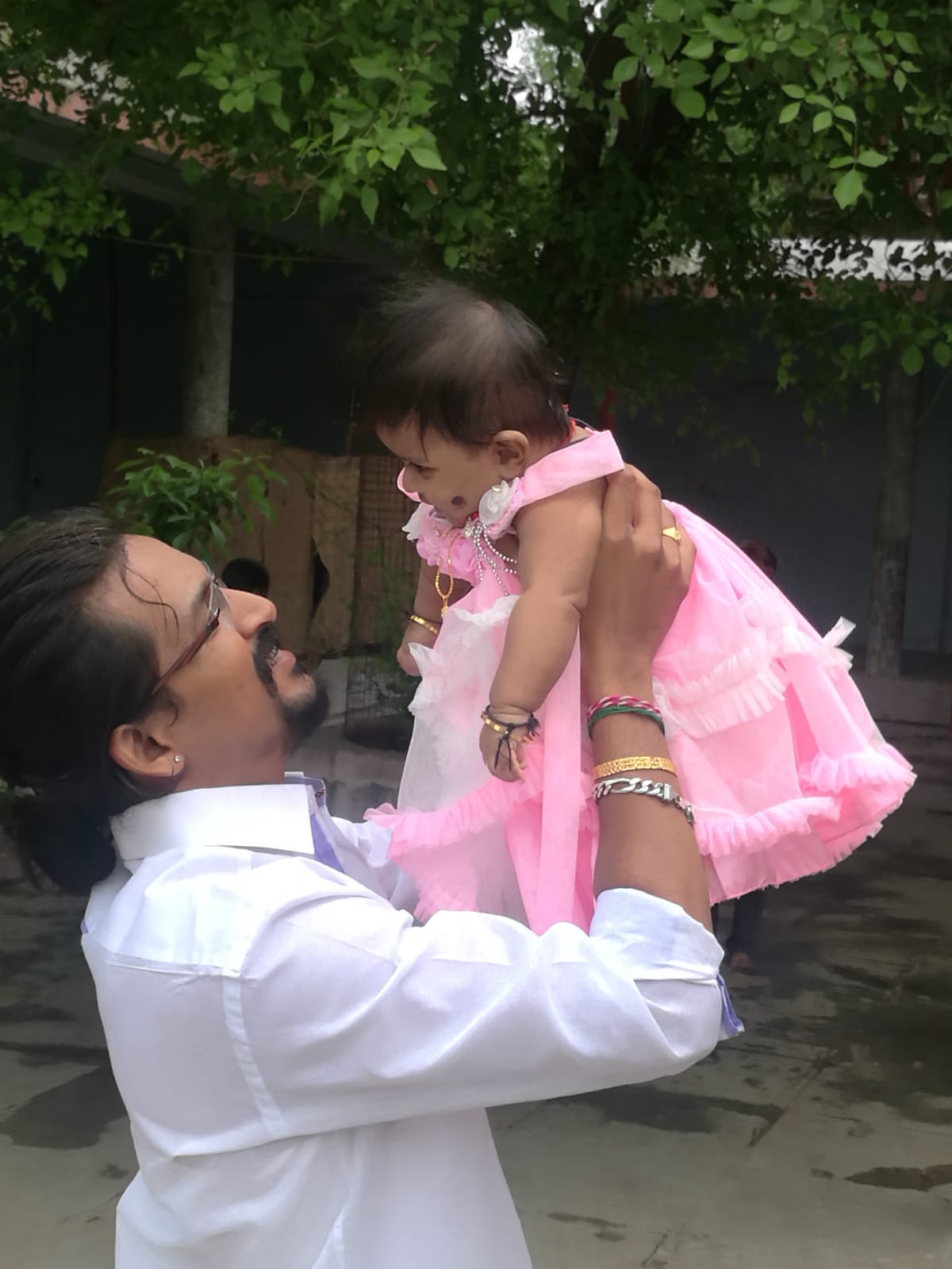 A lot has changed for fathers over the past few generations. In today’s world Fathers are much more informed and involved with their children, taking an active part in the nurturing of their children, from feeding — whether expressed breast milk or formula — to changing diapers, soothing, clothing, bathing, reading to, and helping their baby go to sleep.
 Be Her Confidant:
 Give yourself time. As you age, your sexual responses slow down. You and your partner can improve your chances of success by finding a quiet, comfortable, interruption-free setting for sex. Also, understand that the physical changes in your body mean that you’ll need more time to get aroused and reach orgasm. When you think about it, spending more time having sex isn’t a bad thing; working these physical necessities into your lovemaking routine can open up doors to a new kind of sexual experience.
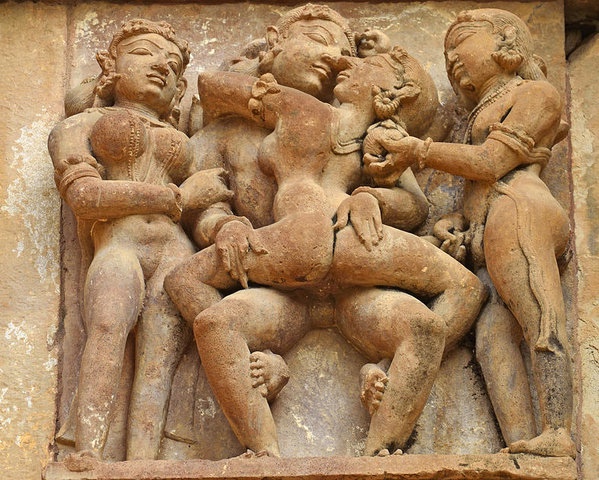 Love making: Once the initial penetration is complete, you can choose to have sex however you both are comfortable. Men, make sure you thrust (your penis into her vagina) in rhythmic motions and do it from the hip; this will ensure your woman gets the maximum pleasure. Moving your entire body is counterproductive. Most importantly listen to your partner and your body. Allow yourself to feel pleasure and make sure you take your partner’s pleasure into consideration and make her happy too. Tip for women: Be proactive in bed. Move when your man moves. Thrusting can be pleasurable and even more so when you both are doing it in sync and together. Tell your man what you do and don’t like. Also, make sure you pleasure him as well.
 5. Never force your child to visit any adult he or she is not comfortable with and also be observant if your child becomes too fond of a particular adult.



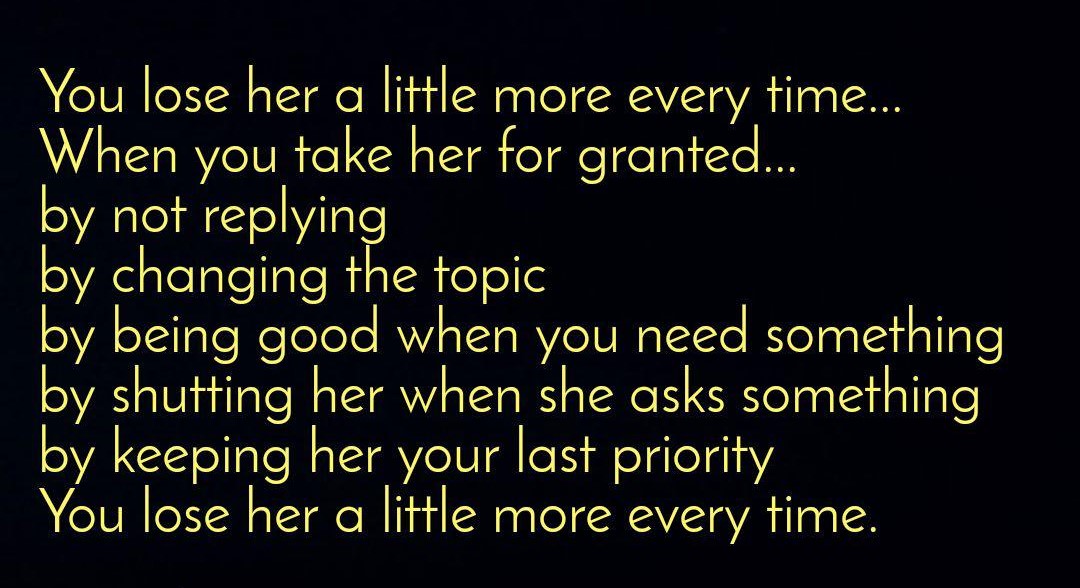
 When it comes to love, most of us tend to settle, we do this without even realizing it, and I am sick of it. So many amazing people end up stuck in toxic relationships wasting away because they are afraid to move forward, and afraid of being alone.
 There is a common misperception that it’s only men who step out on their partners and that women are always faithful. To that, I say: Who are all these men cheating with exactly? Do heterosexual men only cheat with single women and each other?
 they’re not getting it at home, or it’s not enjoyable to them, for whatever reason, they may well seek it elsewhere.A relationship that lacks sexual intimacy is as good as dead to a woman. This is mostly true in a relationship that previously enjoyed a vibrant sex life only for situations to end up reducing and completely killing intimacy.
 She Stops Caring. Women are wired to care about the smallest details about their men and relationships. She cares how many times you call and whether you make time for her. She gets angry with you when you forget those important dates in your relationship and will make a big fuss about it. So when your lady stops caring that you didn’t call and when she doesn’t throw a fit that you forgot all your special dates, then you have cause to worry.
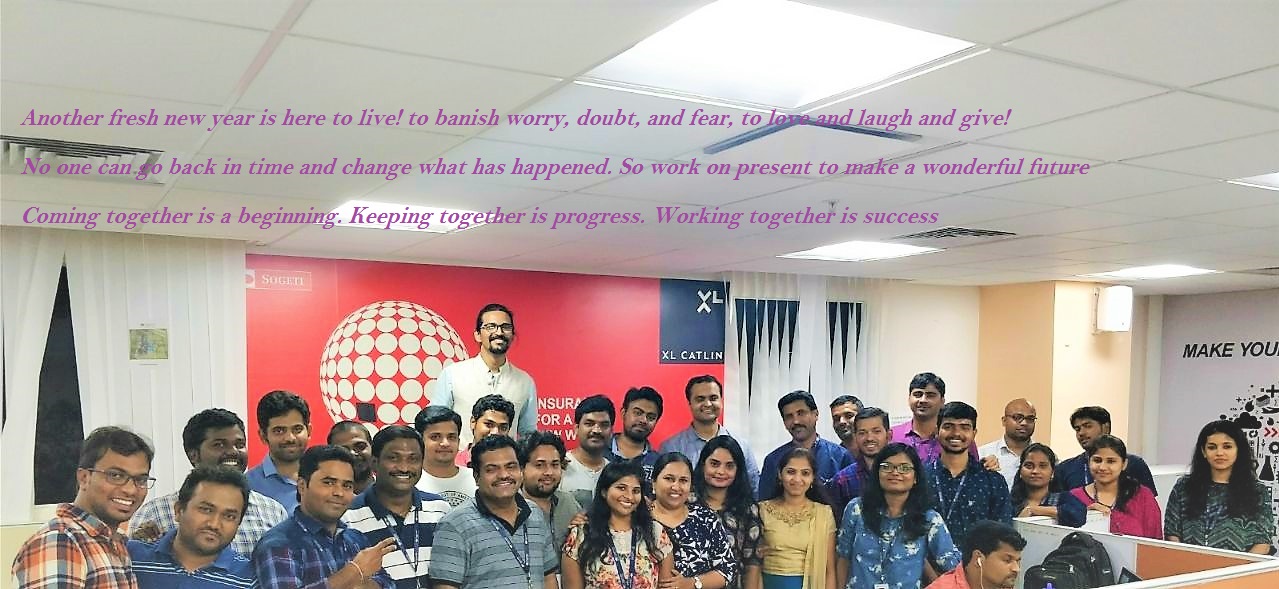 We have collected a few quotes and sayings that will inspire us towards the year end and make us start a Fabulous New Year.
 Everyone have the opportunity, once more to pray for peace, to plant some trees, to help others, sing more joyful songs and to live and let live.
 What would you like to attain? Little things and big things? Where would you like to go? What would you like to have happen in friendship and love? What would you like to have happen in your family life?
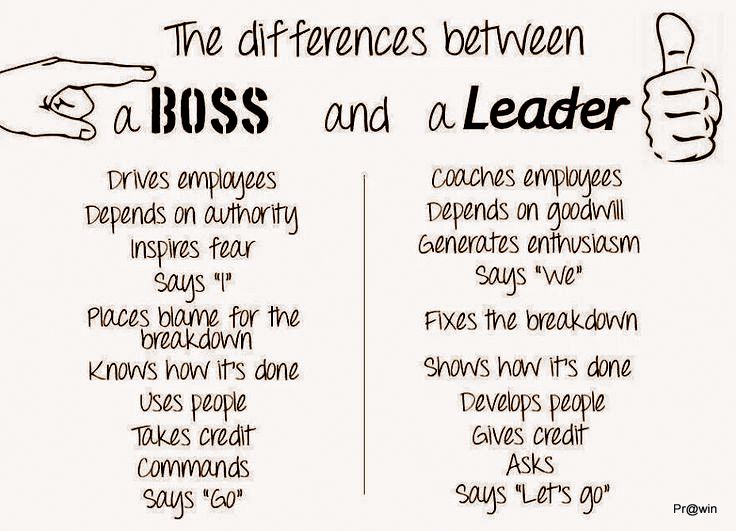
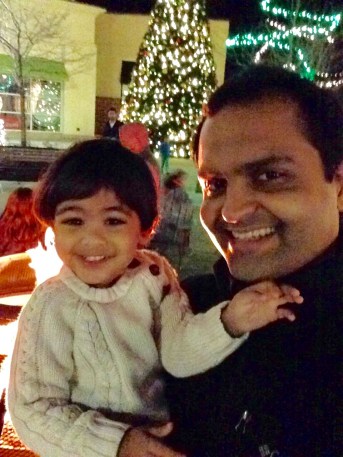 Inspiring and Motivating with his ideas, behavior, way he foresees the things, moves and Personality. His words brings the change in environment and inspires team. Mayank, is such a person who takes a little more than his share of the blame and a little less than his share of the credit. All the time he displays courage and goes to bat for the people by sending a message that Teams success and achievement is his priority. He wins both respect and loyalty of the team members. He believes in one thing “When the team succeeds, so do you.”
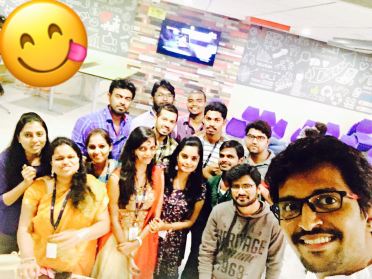 Yet interestingly, in my work environment, people who don’t own this mindset get promoted into leadership positions every day, and it’s quite possible that you’ve encountered or heard about such types in your career. These are those stereotypical sorts of leaders who care more about winning the political favor of their superiors than the respect of the people they’re assigned to lead. Self-serving and ego centric, these types of leaders quickly offend and fail to earn the trust of their people, making enemies rather than supporters of their teammates. There are many Leads/Managers, who could always throw team to the wolves. But there are a lot of managers out there who seem to think that’s the clever option, the right choice. What do you think? I’ve worked for and with some, and believe me they quickly lose staff.
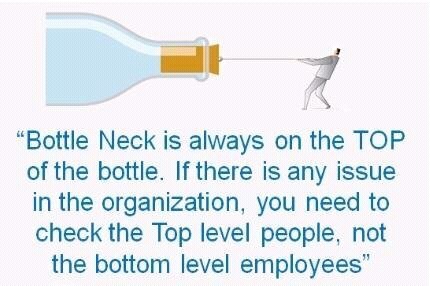 blame employees when something goes wrong. There are few instances where couple of my colleagues were released from Project. Who’s fault is it? Is it their fault for not doing their job well or is it management and the process that failed the employee?
 Never Recognizes Talent of Employee One of the most common mistakes my manger make is to neither recognize nor capitalize on the unique differences of each employee. He consciously paint everyone with the same wide brush and all but eliminate any chance for personalities to set themselves apart and bring their individual talents to the team. Most employees who are all treated the same way eventually start feeling unappreciated, misunderstood and overlooked.
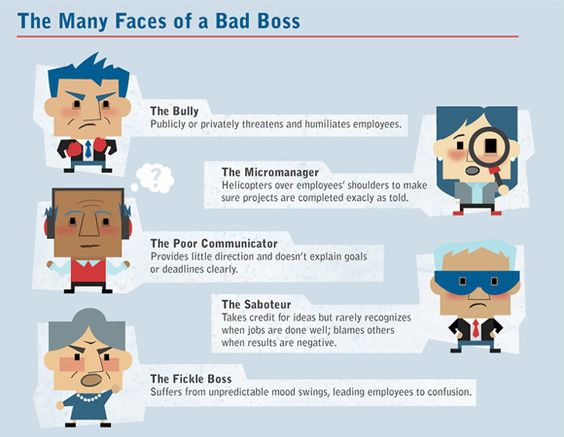 people to work hard enough to not get fired. They disengage, and they don’t share their struggles for fear that exposing their mistakes will cost them their jobs.
 Fails to Fit the Right Person to the Right Job Good managers know the personalities of their team members and place each one in a role designed to play into their innate talents and interests. They set them up for success, instead of for failure. But my manager is unable to do that.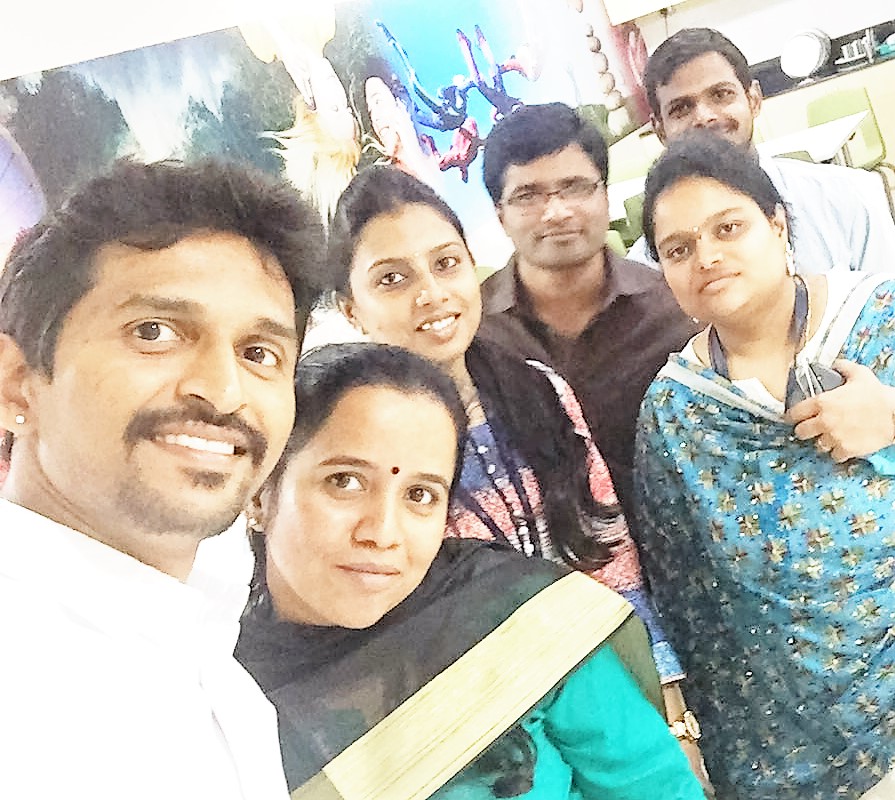

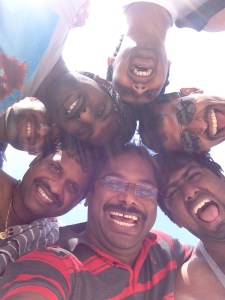 could inspire me to dream and achieve beyond my own imagination of capability. Thanks for converting my mistakes into lessons, pressure into productivity and skills into strengths. You really know how to bring out the best in an individual.
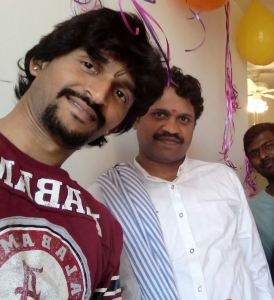 Your word’s .. “Treat me like a number and I’ll stay until a better number comes along. Treat me like a person and I’ll stay because, ultimately, that’s what we all really want.” will be with me till my last breath.




 Thoughts To Inspire
Each minute of our life is a lesson but most of us fail to read it. I thought I would just add my daily lessons & the lessons that I learned by seeing the people around here. So it may be useful for you and as memories for me.
When a new day begins, dare to smile gratefully.
When there is darkness, dare to be the first to shine a light.
When there is injustice, dare to be the first to condemn it.
When something seems difficult, dare to do it anyway.
When life seems to beat you down, dare to fight back.
When there seems to be no hope, dare to find some.
When you’re feeling tired, dare to keep going.
When times are tough, dare to be tougher.
When love hurts you, dare to love again.
When someone is hurting, dare to help them heal.
When another is lost, dare to help them find the way.
When a friend falls, dare to be the first to extend a hand.
When you cross paths with another, dare to make them smile.
When you feel great, dare to help someone else feel great too.
When the day has ended, dare to feel as you’ve done your best.
Dare to be the best you can – At all times, Dare to be!”
“¯`✻´¯) DARE TO BE YOU ✶♪✻ღ*✿ `*.¸.*✻ღღ.¸¸.✫*¨`*✶♪¸.✻ღ